Super-Pressure Balloon Structures and Recovery Systems
Shape. Carry. Recover.
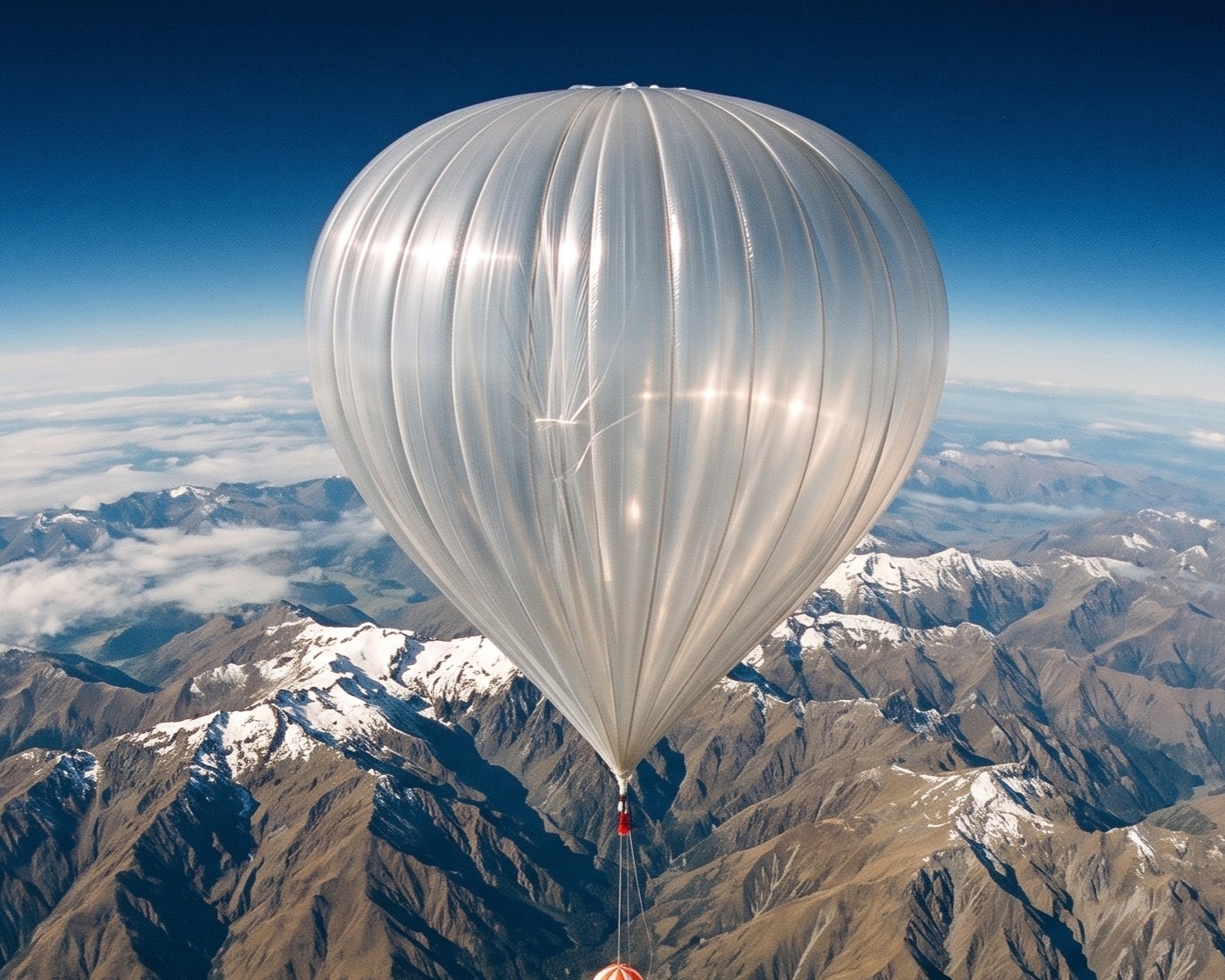
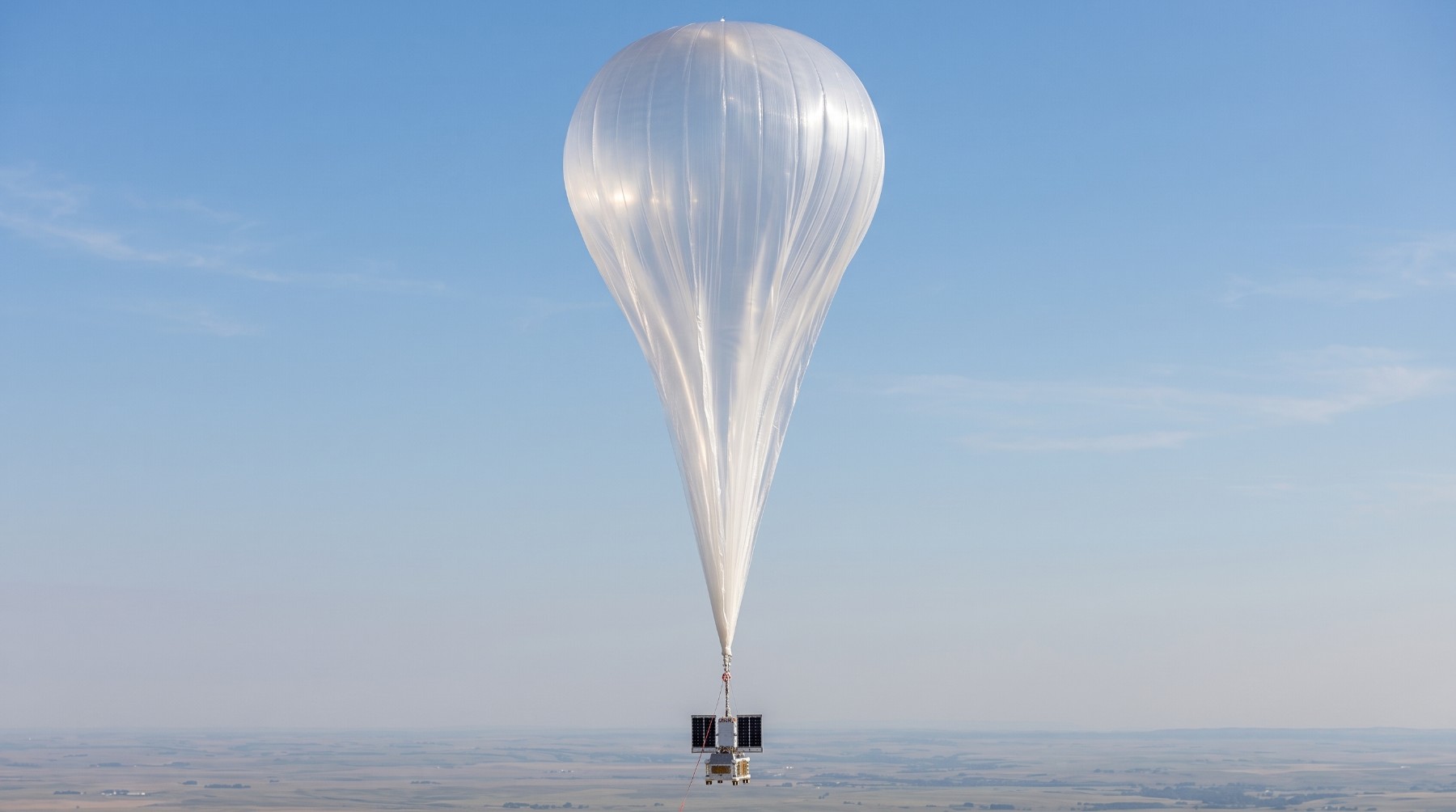
Super-pressure balloon systems require textile structures that can maintain a defined geometry at high altitude while supporting the safe return of mission-critical payloads and assets.
APCO Aviation Defense develops specialized textile structures and parachute recovery systems around the balloon configuration, payload, operational environment, and required recovery conditions.
A super-pressure balloon operates with positive internal pressure and a volume maintained within defined engineering tolerances. Maintaining that volume allows the system designer to calculate and manage:
Displaced-air volume
Net buoyancy
Payload capacity
Equilibrium or float altitude
Differential pressure
Structural loads
Changes caused by temperature and solar heating
The challenge is to maintain this predictable geometry using lightweight flexible materials that must withstand pressure, environmental exposure and long-duration loading.
How the Double-Envelope Structure Works
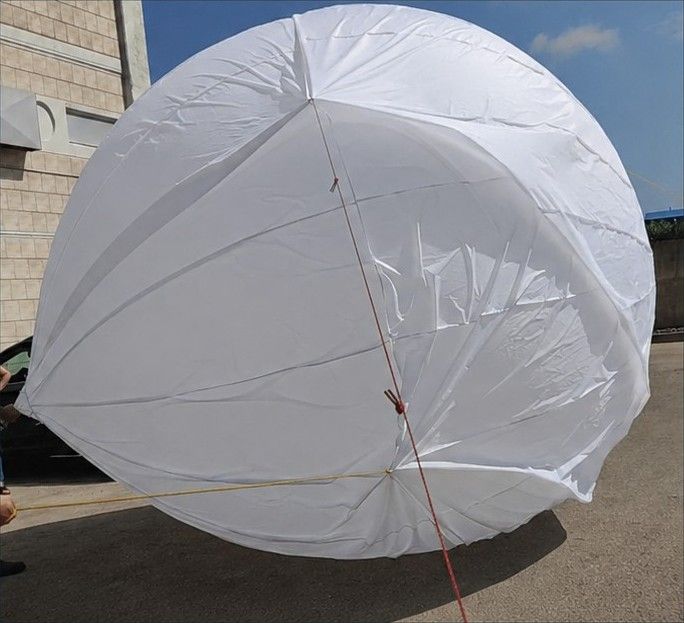
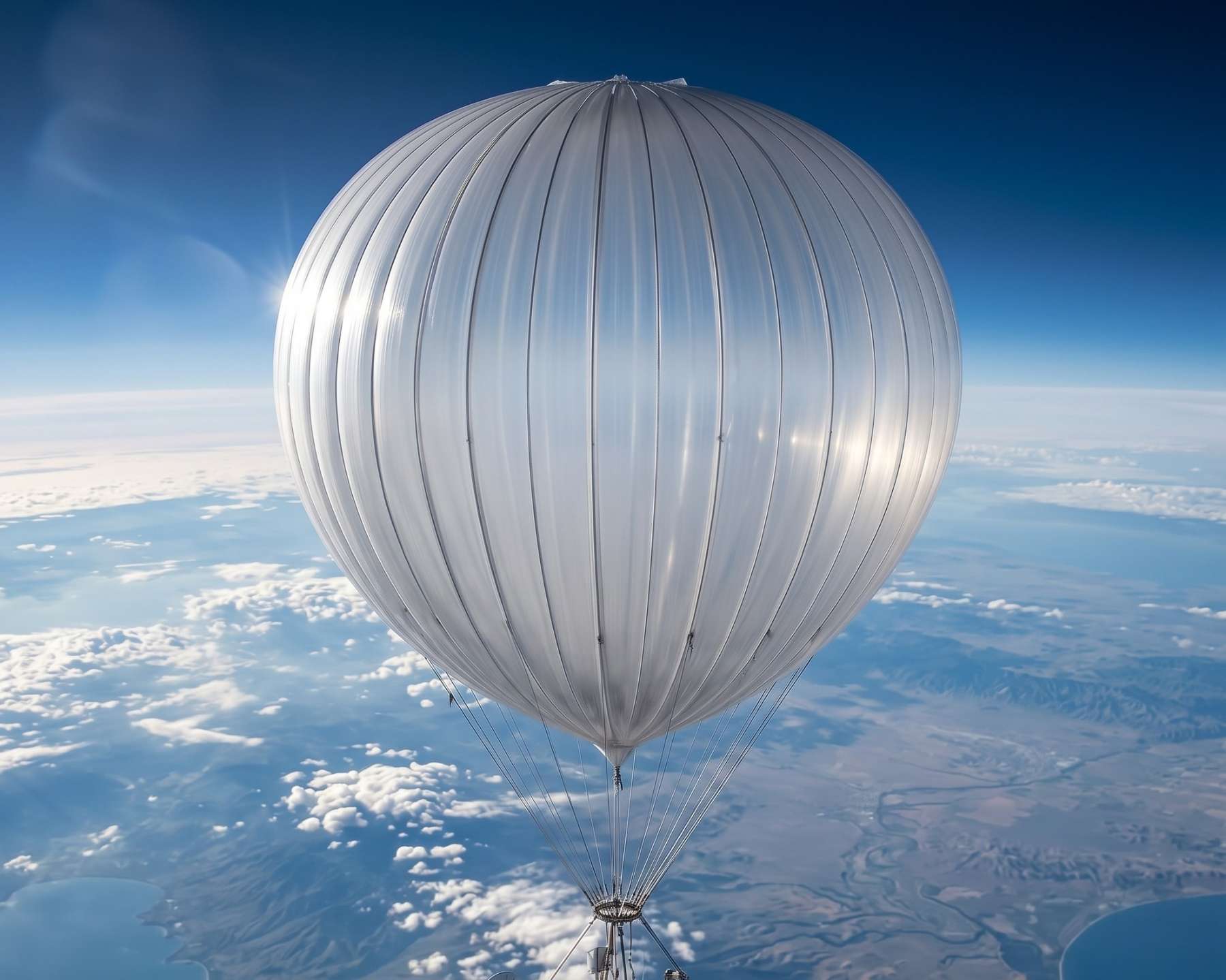
In a double-envelope architecture, the inner bladder retains the lifting gas, while the outer textile shell defines the balloon’s shape and distributes structural loads through panels, seams, tendons, load tapes, reinforcements and attachment interfaces.
Both structures must work together to control expansion, pressure concentrations, abrasion and instability.
Not every super-pressure balloon uses a double-envelope architecture. The correct construction depends on the specific platform and mission.
Materials for Super-Pressure Balloon Structures
Material selection depends on balloon architecture, pressure, altitude, mission duration, and environmental exposure.
Potential materials include:
High-tenacity nylon or polyester
Aramid and HMPE
Coated or laminated woven fabrics
Structural tendons and reinforcement tapes
Low-elongation webbing
Material selection must balance:
Strength-to-weight ratio
Controlled elongation and low creep
Dimensional and seam stability
UV and low-temperature resistance
Flex-fatigue and abrasion resistance
Manufacturing repeatability
Woven fabrics behave differently across the warp, weft, and bias directions. Material orientation therefore affects stretch, seam loading, shell dimensions, and long-term shape stability.
Integration With the Balloon, Flight Train and Payload
The structural shell cannot be developed independently from the rest of the high-altitude system.
APCO Aviation Defense considers how the textile structure interfaces with
* Gas-retaining bladder
* Structural tendons and load paths
* Payload suspension
* Flight train
* Attachment points
* Mission-termination interfaces
* Recovery parachute
* Tracking equipment
* Landing-protection components
Payload mass, geometry, centre of gravity, aerodynamic drag and suspension arrangement can all influence the structural and recovery requirements.
This allows the balloon structure, payload interfaces and recovery system to be considered as parts of one integrated system.
The APCO project journey
From Requirement to Mission Readiness
We work with your team through every stage of the project to deliver reliable, mission-ready solutions.
Align on mission needs, operational constraints, and success criteria.
02
Design & Develop
Engineer lightweight, low-bulk solutions built around performance.
03
Test & Validate
Prototype and test to verify reliability and safety.
04
Produce & Deliver
Manufacture with quality control and timely delivery.
05
Support & Sustain
Provide documentation, training, and ongoing support.
Trust & Compliance
Trusted in Mission-Critical Environments
APCO Aviation Defense works within the standards, certifications, and regulatory frameworks that support defense and aerospace programs.
ISO & AS Certifications
ITAR
EAR
DFARS
NIST
Berry Amendment
Buy American Act
Wassenaar Arrangement
Supplier Partnerships
Offset Program Support
Why APCO Aviation Defense
From Balloon Structure to Recovery
APCO Aviation Defense combines more than 50 years of aviation manufacturing experience with defense textile and parachute recovery expertise. For super-pressure balloon systems, this means the outer textile shell, structural load paths, payload interfaces, flight train and mission-end recovery can be considered as connected parts of the same system. The objective is a lightweight textile solution designed around the balloon architecture, payload requirements and intended recovery condition.
Mission-led definition
Solutions are shaped around what must be recovered, captured or protected.
Lightweight, low-bulk design
Compact textile solutions help reduce integration burden and support prototypes, small production runs and larger project needs without requiring large batches.
Textile engineering expertise
Net materials, deployment logic and structural behavior are evaluated for the application.
Validation mindset
Selection and development are guided by the operating conditions and the validation required.
Off-the-shelf products
Proven products for recovery, deceleration and delivery
Explore ready product options developed for lightweight recovery, precision airdrop and mission-ready integration.
Find quick answers about our super pressure balloon solutions, capabilities, and how we work.
What is a super-pressure balloon?
A super-pressure balloon maintains positive internal pressure and a defined volume. This allows buoyancy, payload capacity, equilibrium altitude and structural loads to be considered around a more predictable balloon geometry.
What is the purpose of the outer textile shell in a double-envelope balloon?
The outer textile shell helps define the balloon’s shape and carries or distributes structural loads. It works together with the gas-retaining inner bladder while helping control expansion and maintain the required geometry.
What materials can be used for super-pressure balloon textile structures?
Material selection depends on the balloon architecture, differential pressure, altitude, mission duration and environmental exposure. Potential materials include high-tenacity nylon or polyester, aramid, HMPE, coated or laminated woven fabrics, structural tendons and reinforcement tapes.
Why does fabric orientation matter in a balloon structure?
Woven textiles behave differently in the warp, weft and bias directions. Material orientation can therefore influence elongation, shell dimensions, seam loading and long-term shape stability.
How is the payload integrated with a super-pressure balloon system?
Payload mass, geometry, center of gravity, suspension arrangement and aerodynamic drag can influence the balloon structure, attachment points, flight train and recovery requirements. These interfaces therefore need to be considered together.
Can a super-pressure balloon payload be recovered by parachute?
Yes. Depending on the mission configuration, a parachute recovery system can support the controlled return of the payload, balloon or other critical assets at mission end.