Home → Solutions → Recovery Systems for Chemically Saturated Environments
CHEMICALLY SATURATED ENVIRONMENTS
Recovery Systems for Chemical Environments
Protect. Deploy. Recover.
Recovery systems may remain exposed to fuel vapors, oils, hydraulic fluids, solvents and maintenance chemicals long before deployment.
APCO Aviation Defense develops recovery systems and defense textile solutions around the platform’s real operating environment, helping preserve material performance, deployment reliability and critical assets throughout storage, operation and recovery.
The Environment Can Affect the System Before It Is Used
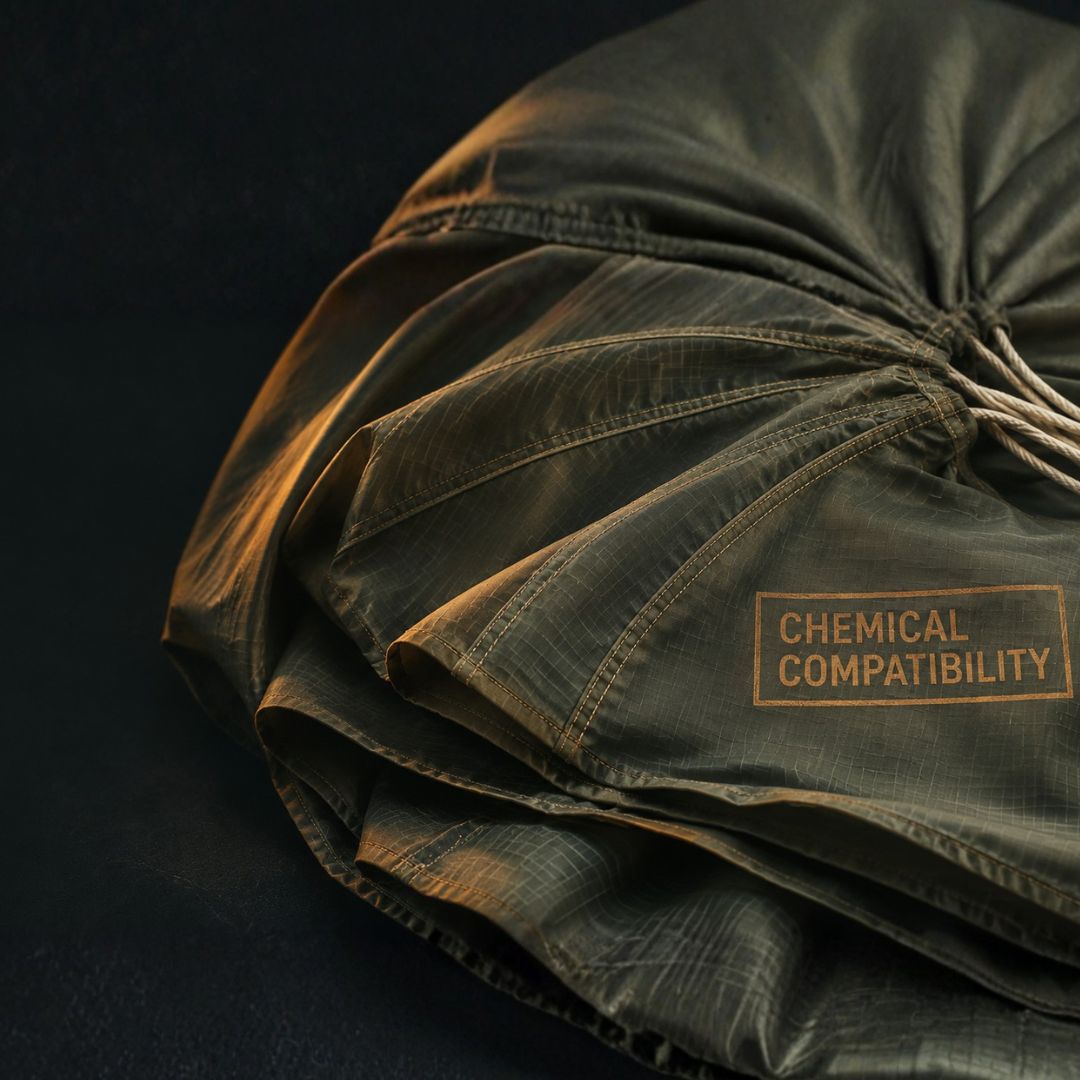
A parachute, airbag or other soft-goods system may remain packed inside an aircraft, UAV or aerospace platform for months or years before deployment.
During that time, chemical vapors can enter the packed compartment and gradually affect fabrics, coatings, stitching and other components, even without direct liquid contact.
Relevant exposure may include:
Jet fuel fumes and fuel vapors
Oils, grease and hydraulic fluids
Solvents, degreasers and cleaning agents
De-icing fluids and maintenance chemicals
Exhaust residue
Humidity, condensation and temperature cycles
The system may still appear physically intact while changes to its material properties influence how it opens, carries loads and performs during recovery.
Chemical Resistance Is Part of the Recovery Requirement
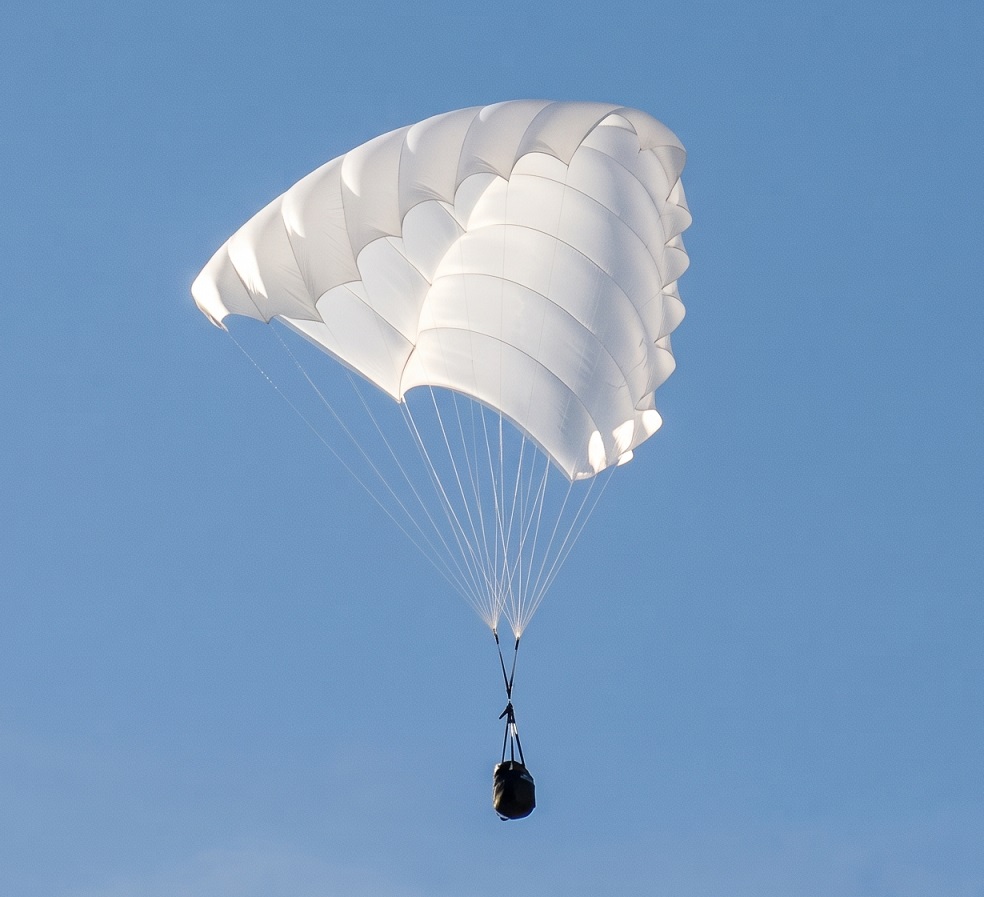
The purpose of the system is not chemical resistance. Its purpose is still to recover and protect the platform, payload or other critical asset.
Chemical exposure is one of the operating conditions that must be considered alongside:
Aerodynamic performance
Weight and packing volume
Deployment timing
Opening loads
Structural integrity
Descent requirements
Platform integration
Required service life
The recovery solution must continue to perform its primary function after the expected environmental exposure.
Materials, Packaging and Protection
There is no single material or protection method for every chemical environment.
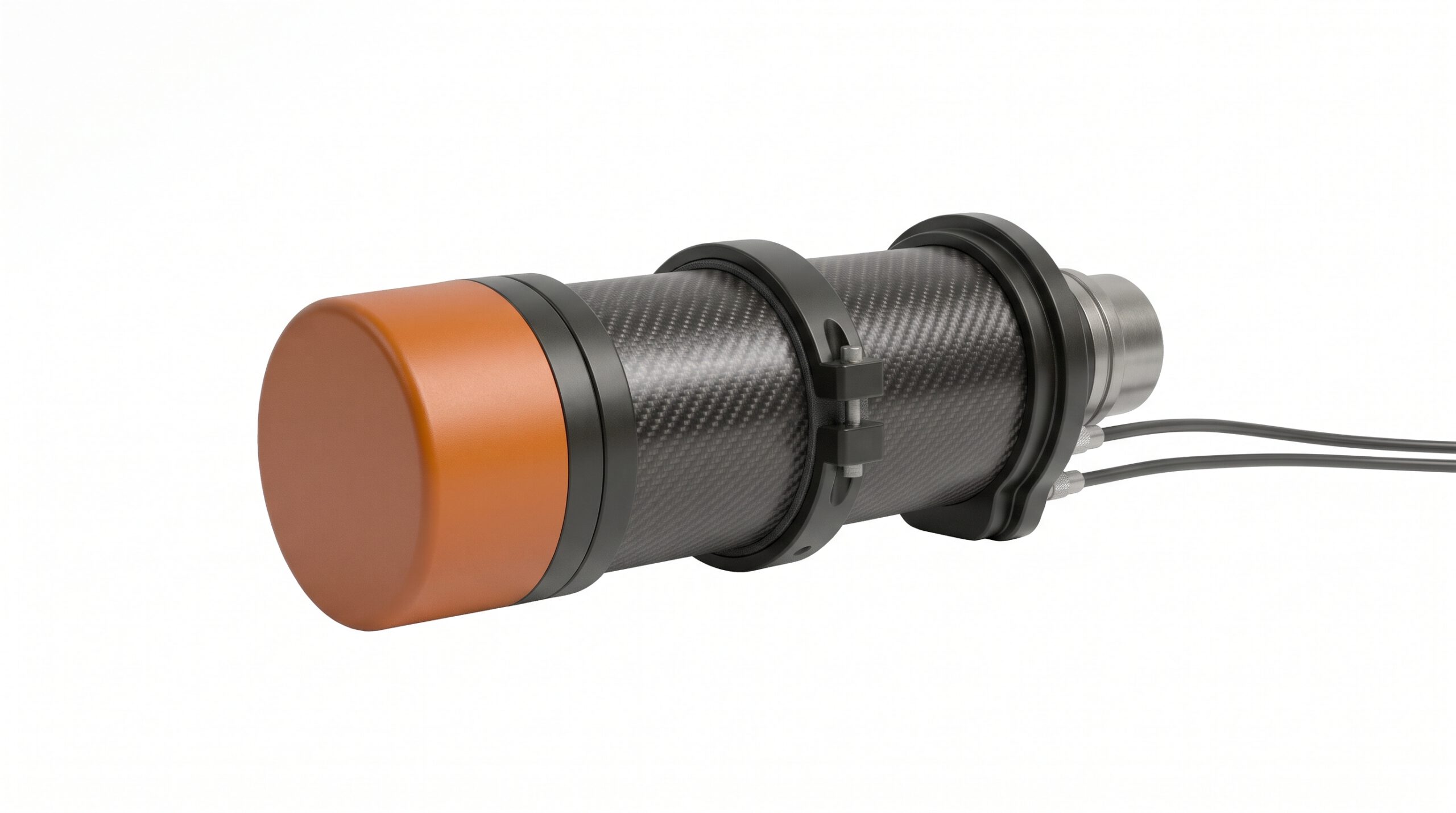
The correct solution may involve chemical-compatible textile materials, protective packaging, vapor barriers, protected compartments, removable covers or adapted deployment containers.
Material selection and packaging are considered together from the specification stage.
The objective is to reduce unnecessary exposure while preserving weight, flexibility, packing volume, structural strength and deployment reliability.
Integration With the Platform
Your team brings the platform, mission and environmental knowledge. APCO Aviation Defense brings recovery-system engineering, aerodynamics and defense textile expertise.
Together, both teams define the chemicals involved, exposure duration, storage conditions, available packing volume, flight envelope, deployment speed and required recovery performance.
Where a standard off-the-shelf system is not suitable, APCO can develop a customized solution around the platform and its chemically saturated environment.
The APCO project journey
From Requirement to Mission Readiness
We work with your team through every stage of the project to deliver reliable, mission-ready solutions.
APCO Aviation Defense works within the standards, certifications, and regulatory frameworks that support defense and aerospace programs.
ISO & AS Certifications
ITAR
EAR
DFARS
NIST
Berry Amendment
Buy American Act
Wassenaar Arrangement
Supplier Partnerships
Offset Program Support
Why APCO Aviation Defense
Reliable Recovery Under Challenging Conditions
APCO Aviation Defense brings together recovery-system engineering, defense textile expertise and materials knowledge to design recovery solutions for demanding operating environments. We assess chemical exposure alongside aerodynamics, weight, packing volume, deployment behavior and service life, with one clear purpose: reliable recovery that preserves critical assets.
Mission-led definition
Solutions are shaped around what must be recovered, captured or protected.
Lightweight, low-bulk design
Compact textile solutions help reduce integration burden and support prototypes, small production runs and larger project needs without requiring large batches.
Textile engineering expertise
Net materials, deployment logic and structural behavior are evaluated for the application.
Validation mindset
Selection and development are guided by the operating conditions and the validation required.
Off-the-shelf products
Proven products for recovery, deceleration and delivery
Explore ready product options developed for lightweight recovery, precision airdrop and mission-ready integration.
Find quick answers about our solutions, capabilities, and how we work.
Why can chemical exposure affect a recovery system before deployment?
Recovery systems may remain packed inside a UAV, aircraft or aerospace platform for long periods. During that time, fuel vapors, oils, hydraulic fluids, solvents and other chemicals can affect fabrics, coatings, stitching and other components even without direct liquid contact.
What types of chemical exposure should be considered?
Relevant exposure can include jet fuel fumes, oils, grease, hydraulic fluids, solvents, degreasers, cleaning agents, de-icing fluids, maintenance chemicals, exhaust residue, humidity, condensation and temperature cycles.
Is chemical resistance the main purpose of the recovery system?
No. The primary purpose is still to recover and protect the platform, payload or other critical asset. Chemical exposure is one of the operating conditions that must be considered so the system can continue to perform its recovery function.
How can a recovery system be protected from chemical exposure?
Depending on the application, protection may include chemical-compatible textiles, protective packaging, vapor barriers, protected compartments, removable covers or adapted deployment containers.
What factors need to be considered alongside chemical exposure?
Chemical exposure should be considered together with aerodynamic performance, weight, packing volume, deployment timing, opening loads, structural integrity, descent requirements, platform integration and required service life.
Can a standard recovery system be used in a chemically saturated environment?
Sometimes, but not always. Where a standard system is not suitable for the expected exposure and mission conditions, the recovery solution may need to be adapted or developed specifically around the platform.
What information is needed to define the right solution?
Key inputs include the chemicals involved, exposure duration, storage conditions, available packing volume, flight envelope, deployment speed and required recovery performance.