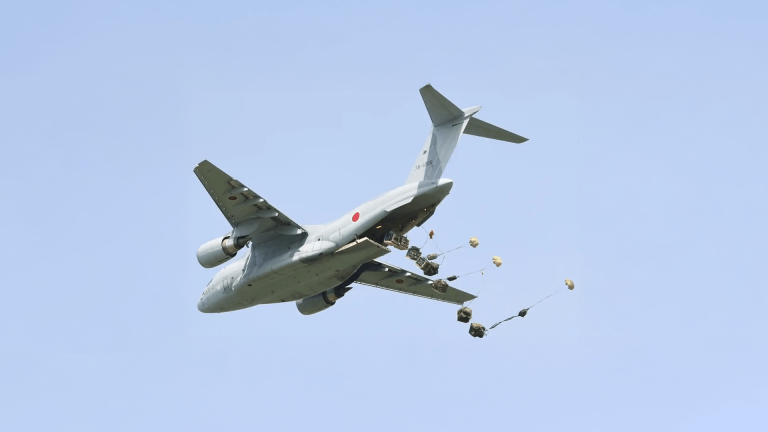
APCO Aviation Defense works with your team to define and develop ground landing crash pad solutions around your payload, descent conditions, landing environment, and required level of impact protection.
Protect valuable payloads and critical assets from damaging ground-impact forces.
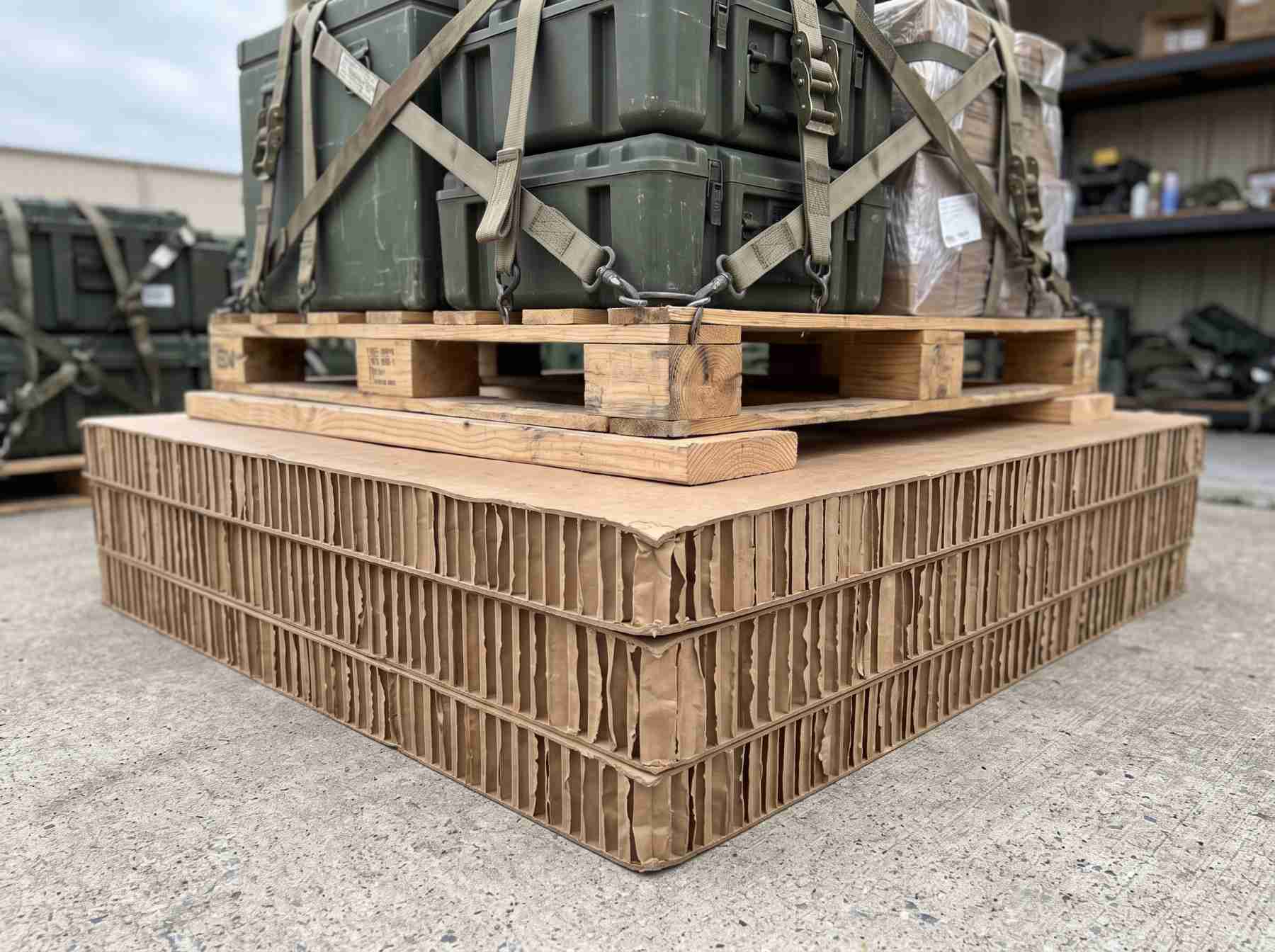
Typical crash pad materials include paper, plastic, and aluminum – most often arranged in a honeycomb structure. This design is highly effective because its dense array of hollow hexagonal cells deforms progressively under load, converting kinetic energy into a controlled structural collapse that minimizes impact on the payload.
These lightweight, high-strength structures also offer exceptional out-of-plane compression strength and shear resistance, making them a preferred choice in aerospace applications such as aircraft and rocket components.
Recent innovations – including graded, hierarchical, and sandwich-panel configurations – further enhance energy absorption by optimizing how the structure crushes and deforms under impact. Most honeycomb crash pads are single-use, as they do not recover after absorbing energy.
For lighter loads, specialized foams are also used. Some foam types allow limited reuse depending on their composition and resilience, offering flexibility in applications where repeated use is advantageous.
Directional Energy Absorption
Crash pads are engineered to absorb energy primarily in the vertical direction, with minimal horizontal impact reduction. In practice, horizontal forces are mostly dissipated through ground sliding, which occurs whether crash pads are used or not.
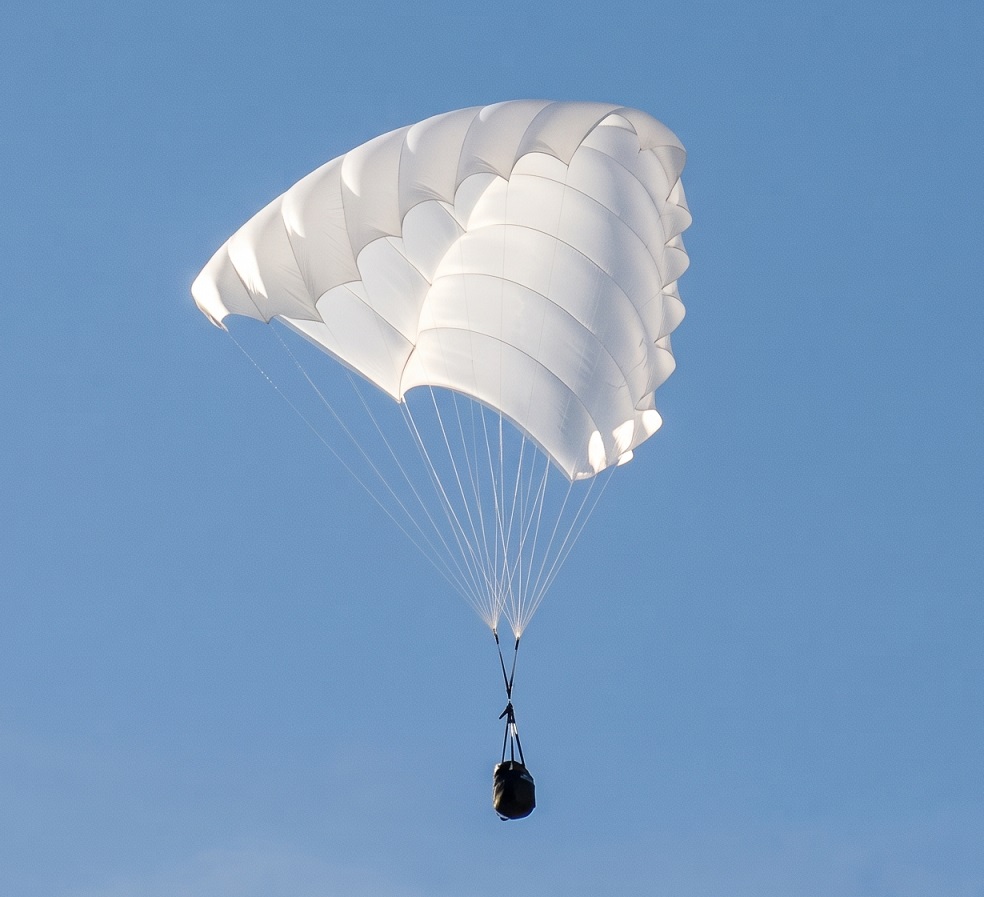
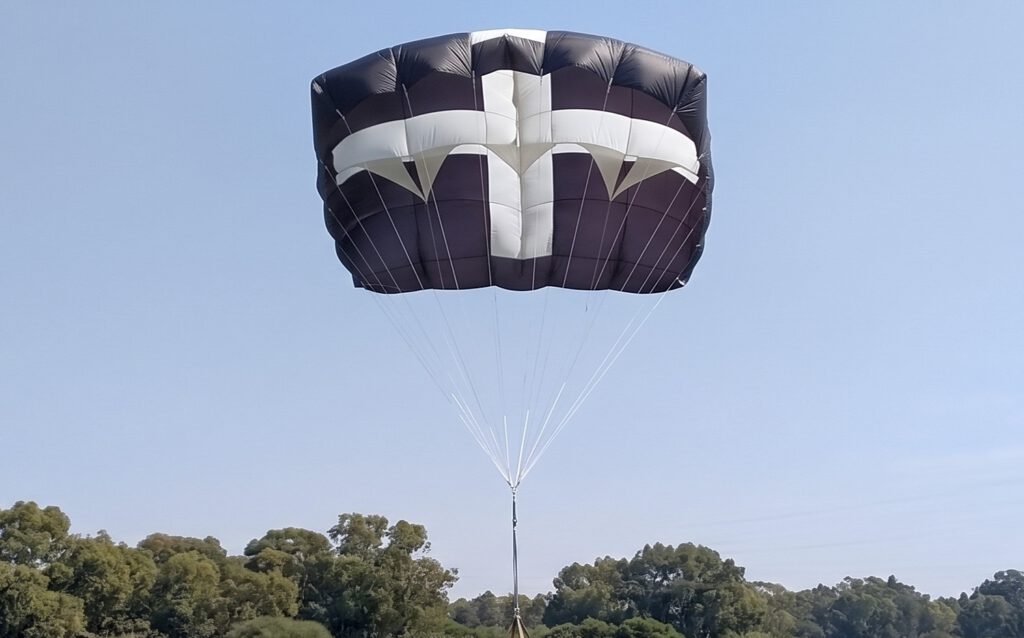
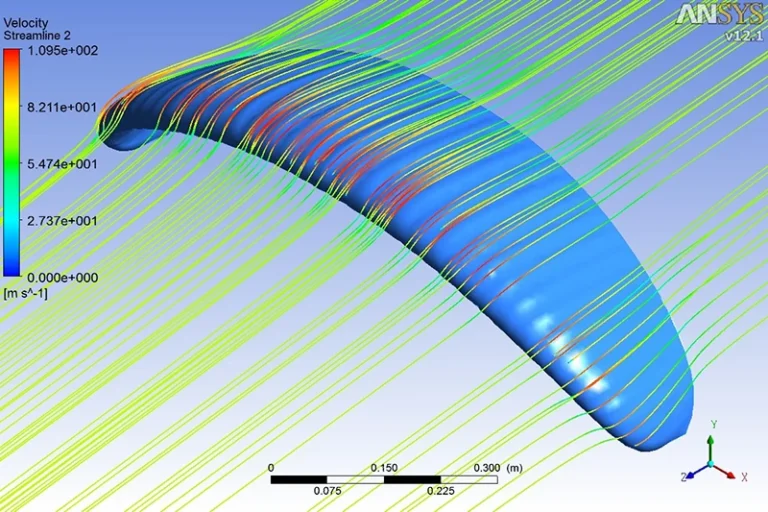
For maximum protection, crash pads should be paired with steerable parachutes or RAM-Air parachutes equipped with flare capability to reduce horizontal velocity before touchdown.
Cargo type or mission profile demands enhanced vertical impact protection.
Operational environments involve high-risk landings, such as unprepared terrain.
Integration with steerable or RAM-Air parachute systems is planned for horizontal speed reduction.
Alternative solutions like airbags are considered but deemed less suitable for the mission.
See our Airbags page for more details.
For defense-grade crash pad design, advanced material solutions, or integration with high-performance aerial delivery systems, contact us to develop a solution engineered specifically for your mission.
The APCO project journey
From Requirement to Mission Readiness
We work with your team through every stage of the project to deliver reliable, mission-ready solutions.
APCO Aviation Defense works within the standards, certifications, and regulatory frameworks that support defense and aerospace programs.
ISO & AS Certifications
ITAR
EAR
DFARS
NIST
Berry Amendment
Buy American Act
Wassenaar Arrangement
Supplier Partnerships
Offset Program Support
Why APCO Aviation Defense
Impact Protection Backed by Recovery and Textile Expertise.
APCO Aviation Defense delivers lightweight, high-performance parachutes, inflatables, and recovery systems for UAVs, loitering munitions, and tactical platforms. Backed by 50+ years of aerospace innovation, we provide custom textile solutions from concept to deployment.
Mission-led definition
Solutions are shaped around what must be recovered, captured or protected.
Lightweight, low-bulk design
Compact textile solutions help reduce integration burden and support prototypes, small production runs and larger project needs without requiring large batches.
Textile engineering expertise
Net materials, deployment logic and structural behavior are evaluated for the application.
Validation mindset
Selection and development are guided by the operating conditions and the validation required.
Off-the-shelf products
Proven products for recovery, deceleration and delivery
Explore ready product options developed for lightweight recovery, precision airdrop and mission-ready integration.
Find quick answers about our solutions, capabilities, and how we work.
What is a ground landing crash pad?
A ground landing crash pad is an impact-attenuation system designed to absorb vertical landing energy and help protect the payload during touchdown.
When should a crash pad be considered?
Crash pads are generally recommended when descent rates exceed 8 m/s, when the payload requires additional vertical impact protection, or when landing conditions involve challenging or unprepared terrain.
How do honeycomb crash pads absorb impact energy?
Honeycomb structures progressively deform under load. This controlled structural collapse converts kinetic energy and helps reduce the forces transferred to the payload.
Can crash pads reduce horizontal landing forces?
Crash pads are designed primarily for vertical energy absorption. Horizontal forces are generally dissipated through ground sliding, so horizontal velocity should be reduced before touchdown where possible.
Why pair a crash pad with a steerable or RAM-Air parachute?
A steerable or RAM-Air parachute with flare capability can help reduce horizontal velocity before touchdown, while the crash pad manages the remaining vertical landing energy.
Can crash pads be reused?
Most honeycomb crash pads are single-use because the structure permanently deforms while absorbing energy. Some specialized foam solutions may allow limited reuse depending on the material and condition after landing.
When might an airbag be used instead of a crash pad?
The choice depends on the mission, payload, landing conditions and required impact protection. Airbags may be considered where their inflation and cushioning characteristics are better suited to the platform.