Cruciform Parachutes

High Drag. Fast Opening. Stable Descent.

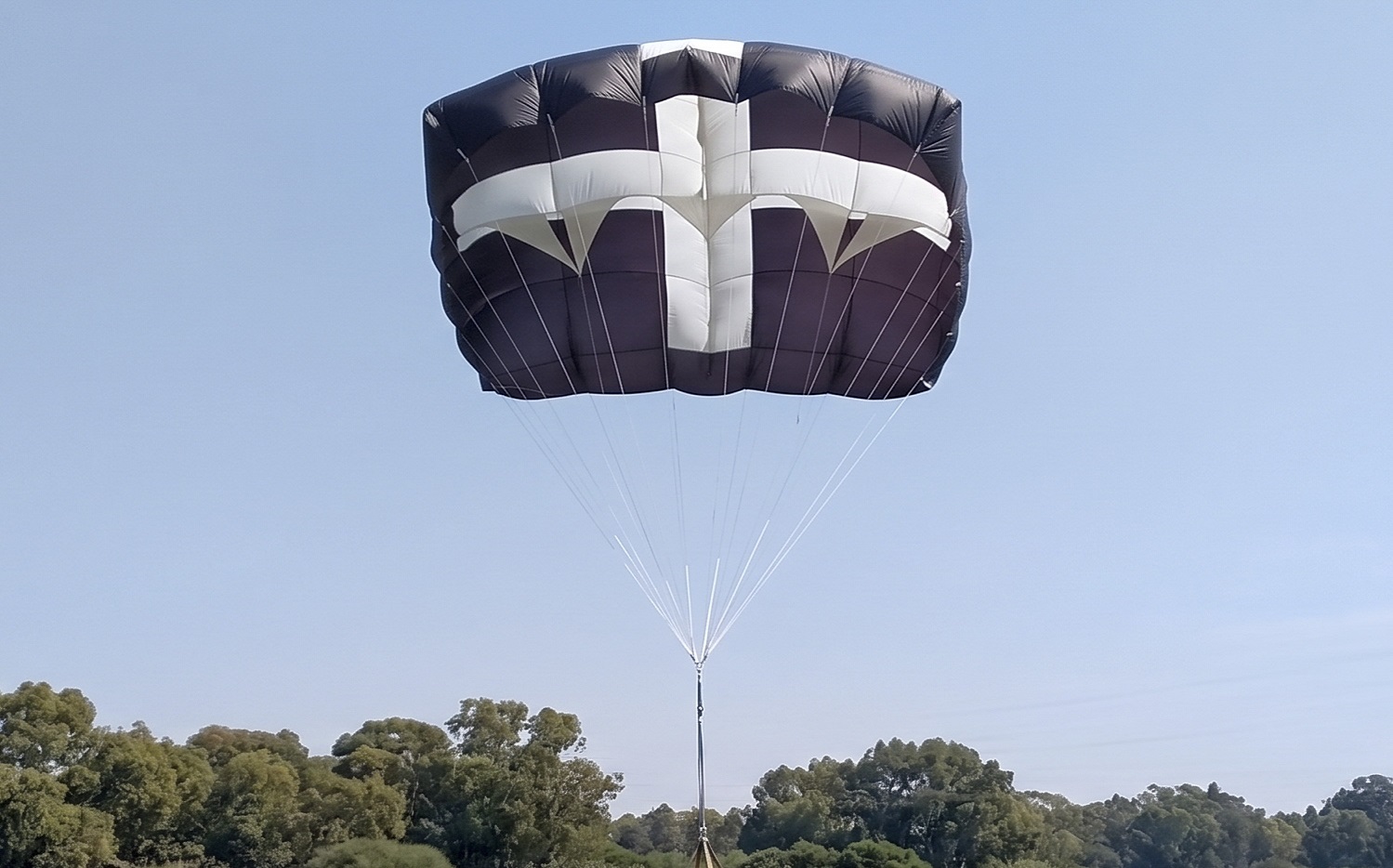
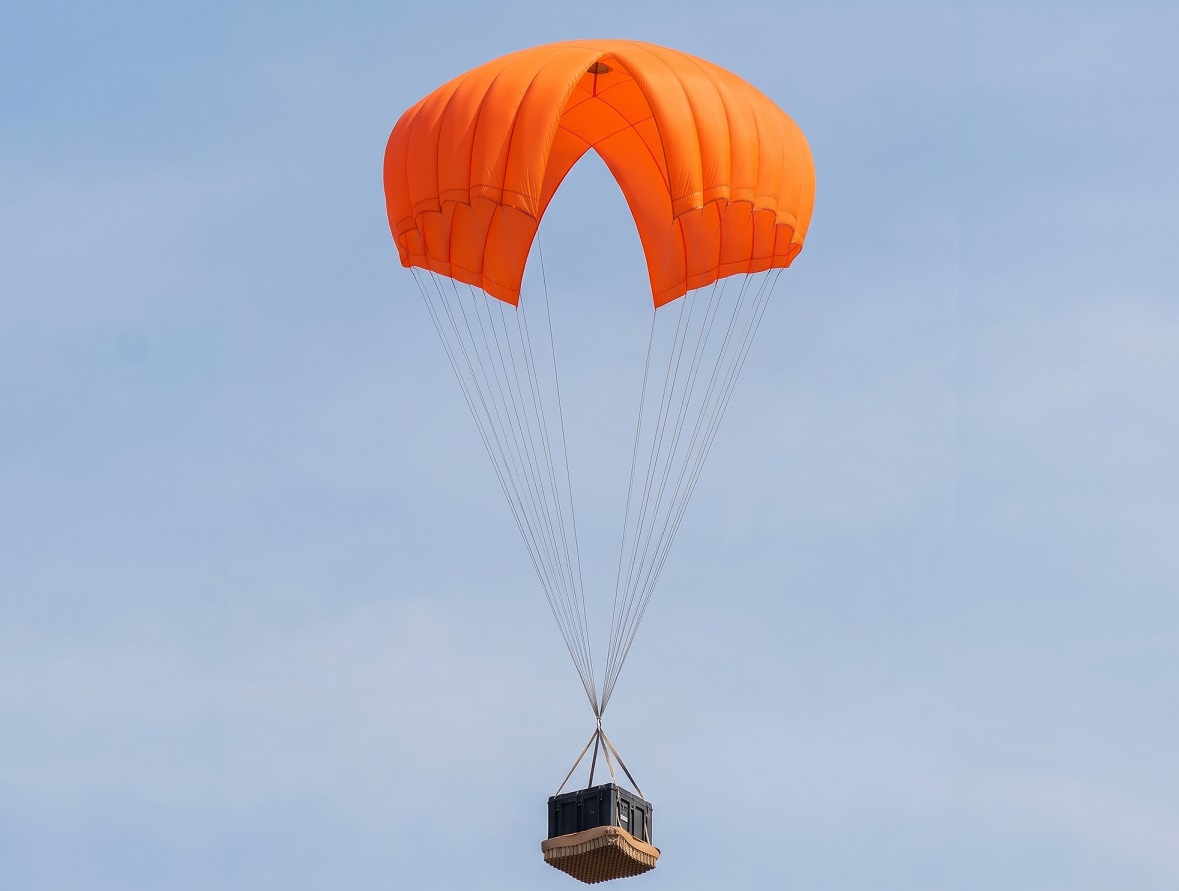
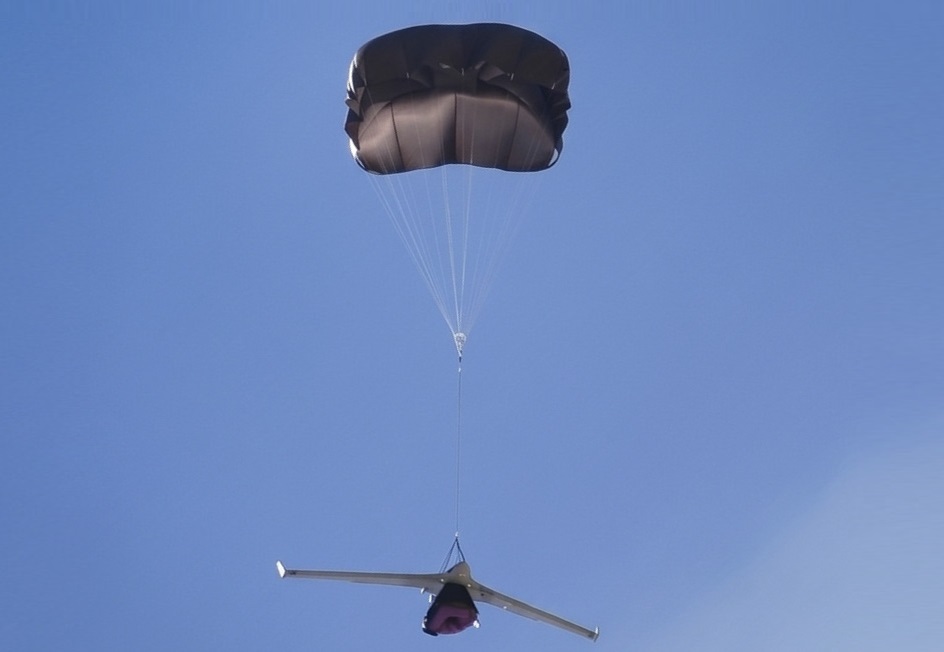
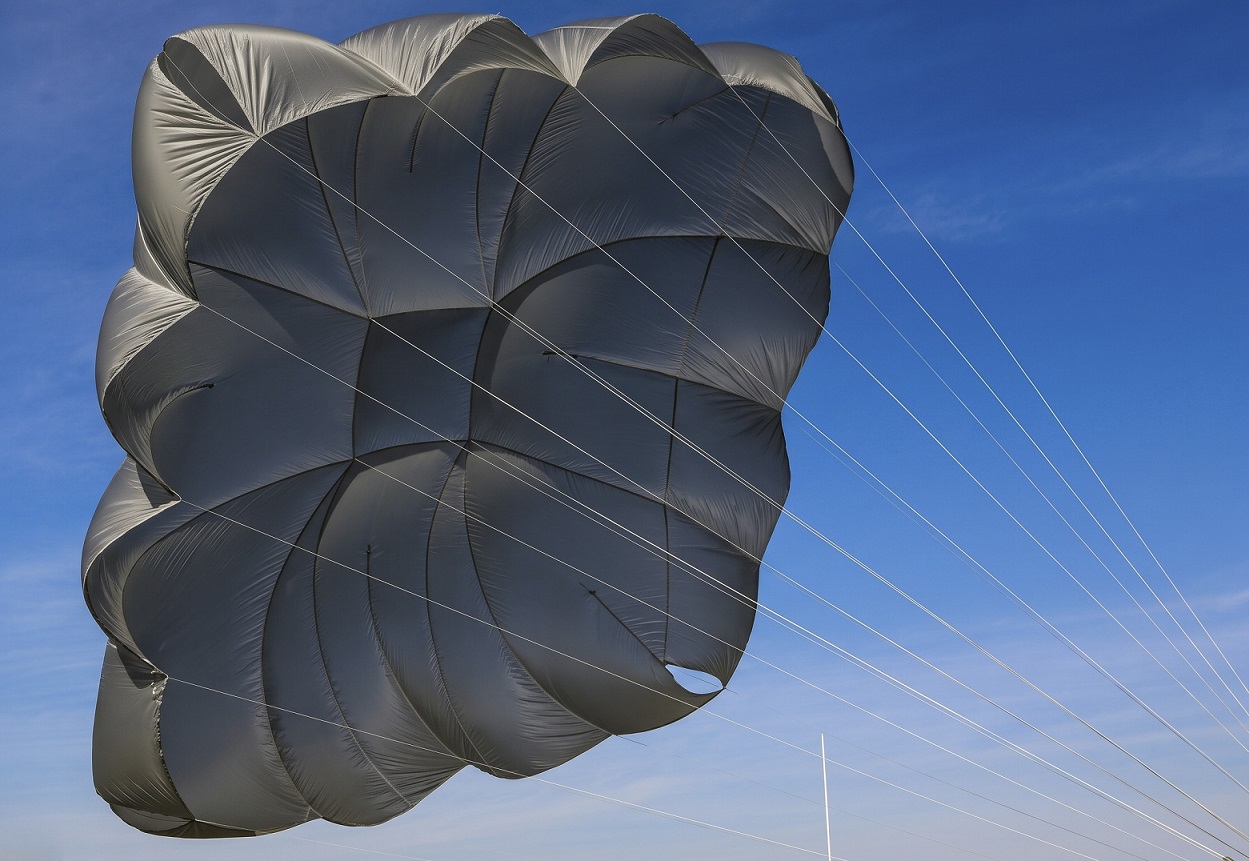
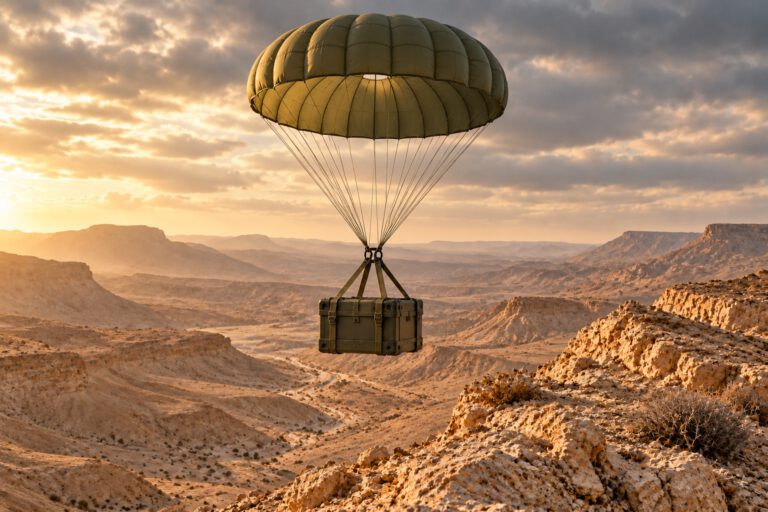
Lightweight cruciform and cross parachutes for UAV, VTOL and other recovery applications where rapid inflation, strong drag and stable vertical descent are more important than steering or glide.

APCO Aviation Defense develops cruciform parachutes with lightweight, low-bulk textile construction for recovery conditions where deployment height may be limited and payload protection, survivability and critical asset preservation are priorities.

Cruciform Parachute Design & High-Drag Geometry

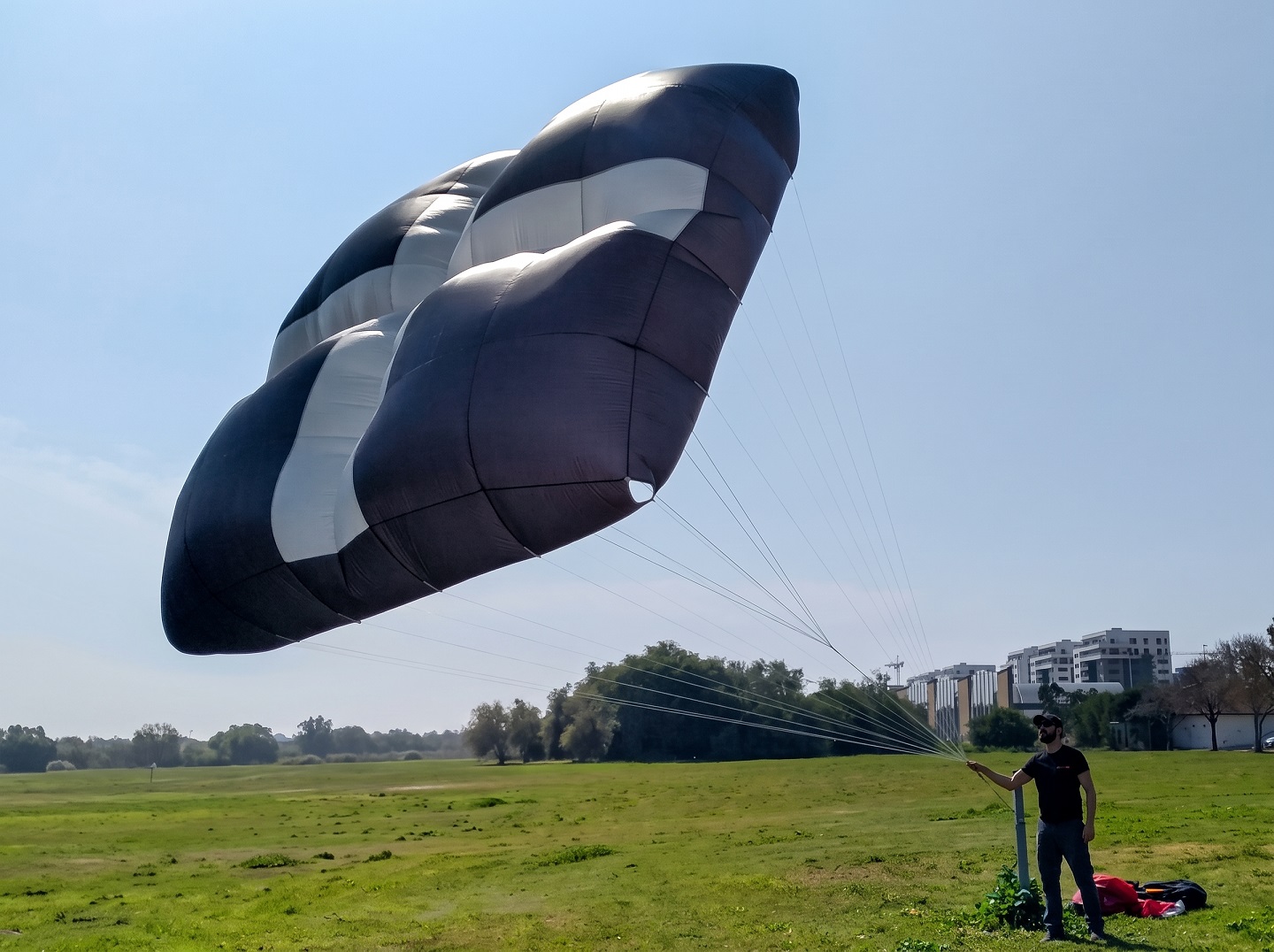
  • Cross-shaped canopy with a central section and four aerodynamic arms
  • High projected area for strong drag efficiency
  • Lower canopy weight for a defined recovery requirement
  • Reduced packed volume
  • Faster inflation than conventional round geometry in suitable configurations
  • Strong pendulum stability with minimal rotation
  • Stable vertical descent without intentional forward glide

Rapid Opening & Opening-Shock Control

  • Rapid inflation once suspension lines reach line stretch
  • Suitable for low-altitude recovery where the selected configuration allows
  • Representative rapidly opening configurations from approximately 40–50 m
  • Opening control available through sliders, reefing or staged inflation
  • Relevant slider configurations have reduced opening loads from approximately 8–10 g at around 40 m/s to below approximately 3.5 g
  • Opening-control method selected around payload, deployment speed, structural limits and available deployment height

Stable Vertical Descent

  • Low pendulum amplitude
  • Minimal rotation or spinning
  • Stable behaviour in turbulence
  • Predictable wind drift
  • No intentional forward glide
  • Compact non-guided landing footprint
  • Horizontal movement determined mainly by wind speed, descent rate and time under canopy

Lightweight Textile Construction

  • Shaped textile panels defining canopy geometry
  • Reinforced skirt attachment points and central junctions
  • Structural tapes carrying concentrated loads
  • Symmetrical suspension-line arrangements
  • Fabric options of approximately 10, 22, 30 or 40 g/m²
  • Low-permeability configurations in the approximate range of 0–3 CFM where required
  • Material selection based on strength, elongation, packing behaviour, abrasion resistance and service life

Performance By Size & Payload

Swipe the table sideways to compare all sizes — or download the full table below.

Technical insights & resources

Insights for recovery and protection decision-makers

Practical guidance on UAV recovery, parachute systems and protective textiles from APCO’s engineering team.

FAQ

Cruciform Parachute Q&A

Find quick answers about our solutions, capabilities, and how we work.

Why use a cruciform parachute for UAV recovery?

Cruciform geometry combines high drag, rapid inflation, low weight and strong pendulum stability. This makes it useful where stable vertical descent and limited deployment height are more important than steering.

Can a cruciform parachute support low-altitude recovery?

Yes. Suitable cruciform configurations can inflate rapidly and support low-altitude recovery. The required deployment height must still be confirmed for the chosen parachute, platform and deployment sequence.

How is opening shock controlled?

Opening shock can be managed through slider, reefing or staged inflation. The correct method depends on deployment speed, payload limits and the required recovery condition.

Is a cruciform parachute steerable?

Normally, no. A cruciform parachute is designed for stable vertical recovery. Where steering, glide or landing-path control is required, a Rogallo or ram-air parachute may be more appropriate.

ISR glider parachute icon

Find the Right Cruciform Parachute

Compare suspended weight, deployment speed, required descent rate, operating altitude, opening-load limits and available installation volume with the confirmed APCO Aviation Defense cruciform parachute range.