Underwater and High-Density Fluid Deceleration Systems
Deploy. Decelerate. Control.
Objects moving through water or other high-density fluids may require controlled deceleration, stabilization, drift reduction or recovery.
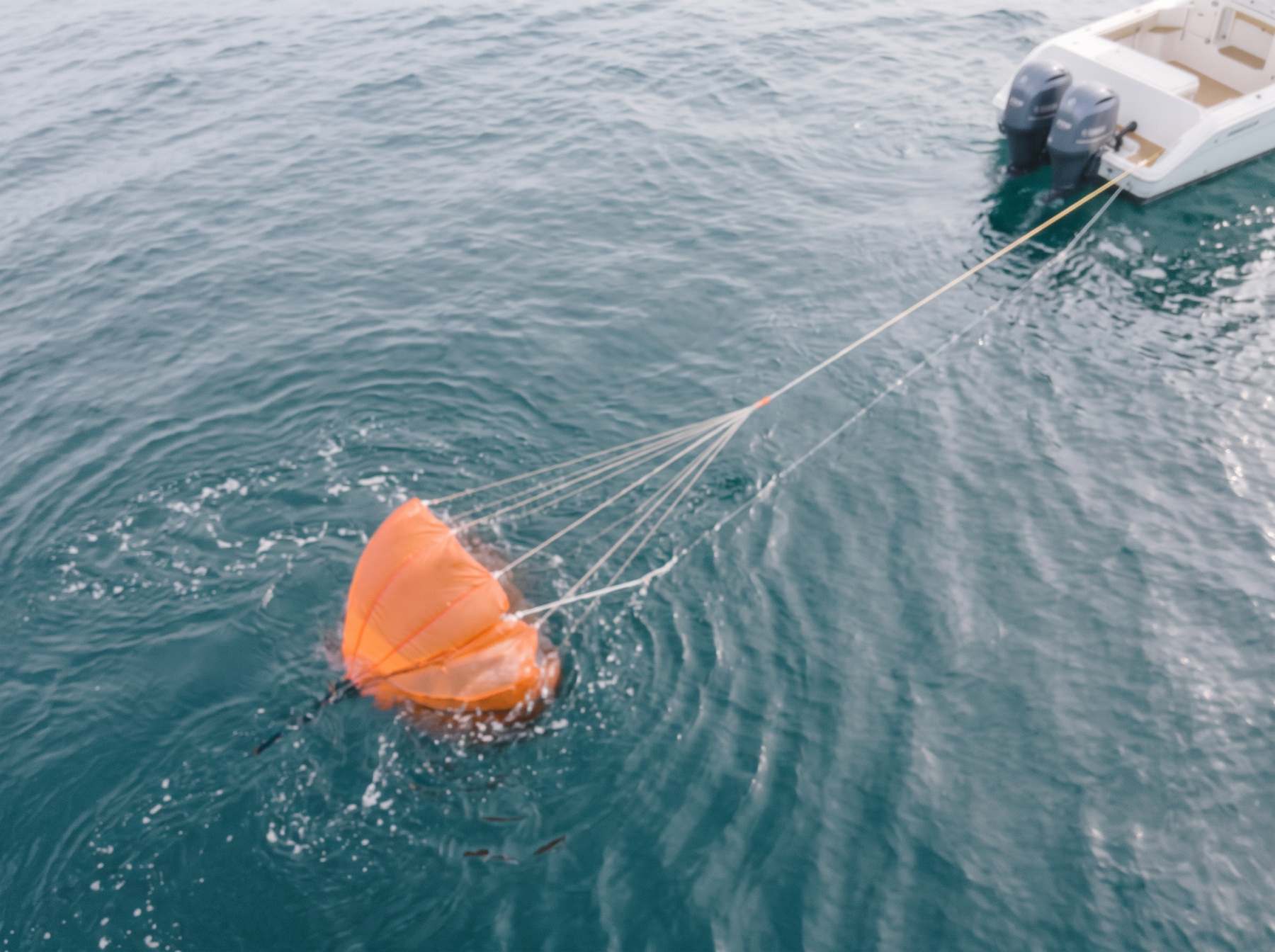
APCO Aviation Defense develops deployable defense textile solutions that create hydrodynamic drag to control the movement of marine platforms, underwater vehicles, payloads and other critical assets.
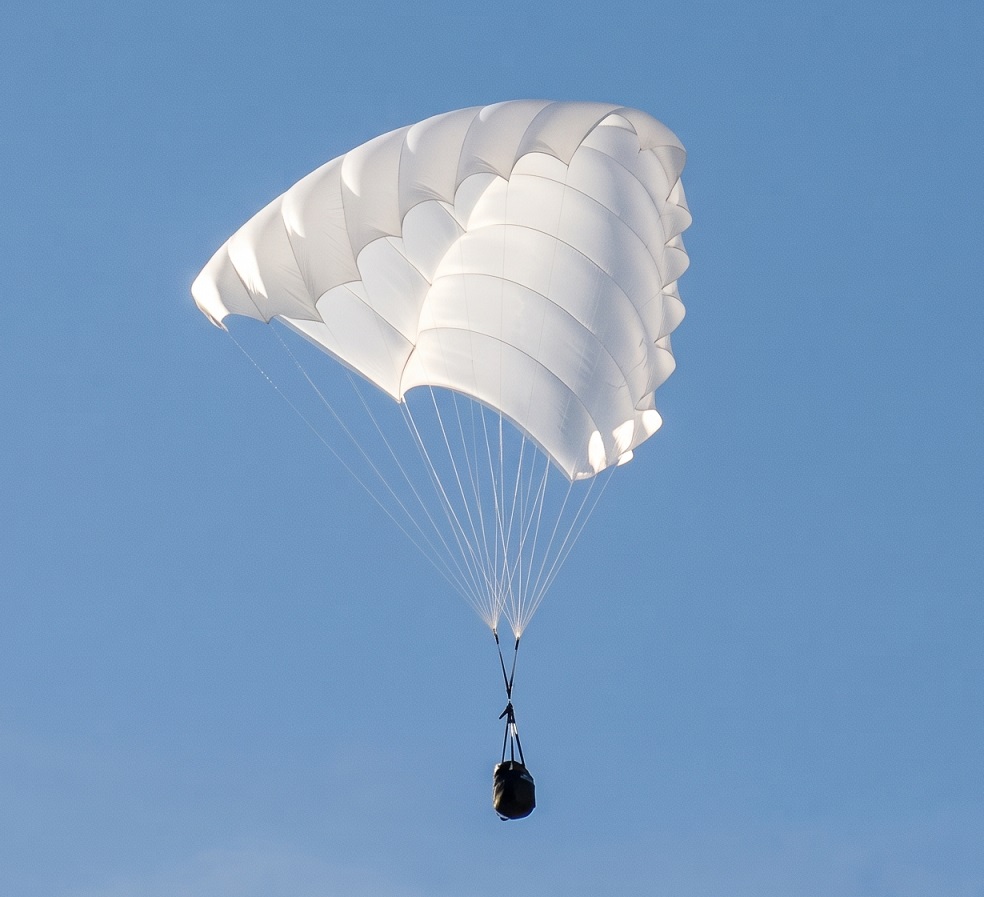
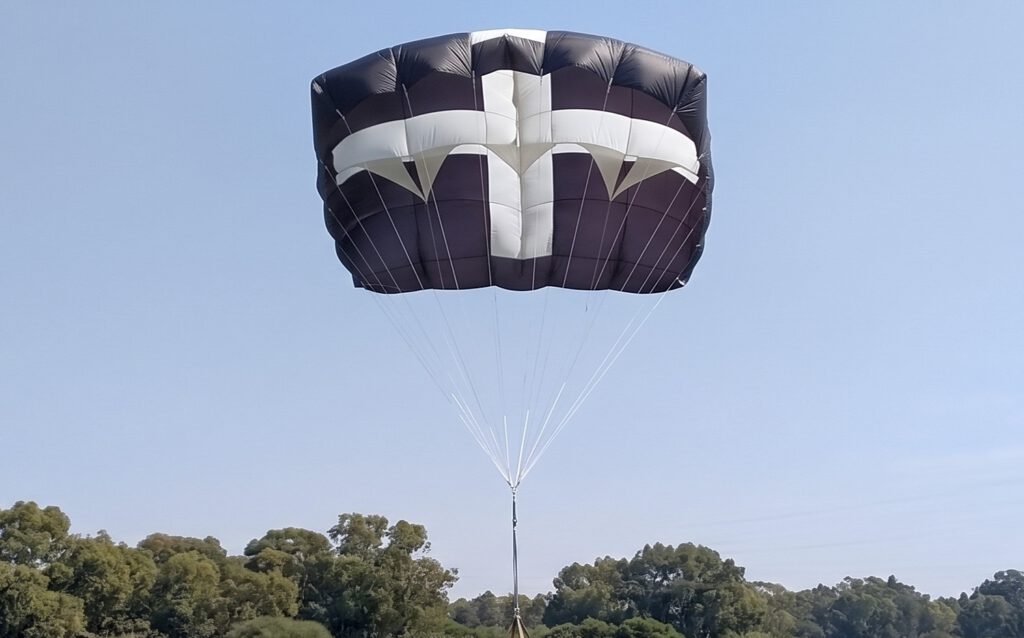
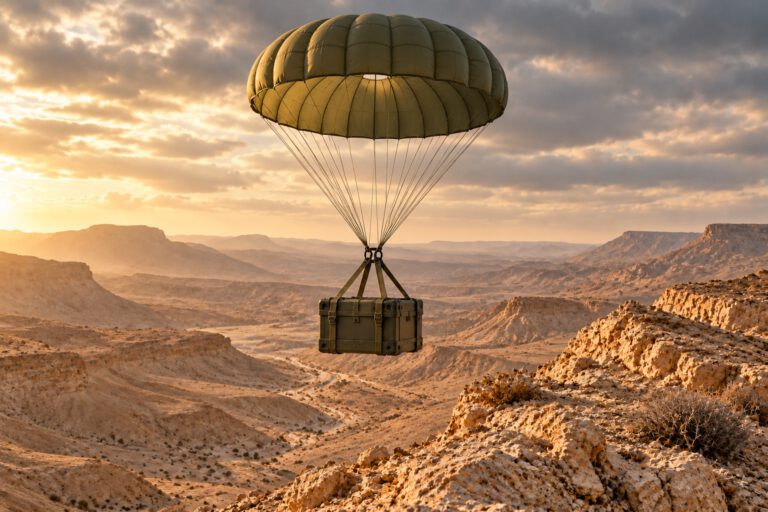
Parachutes, drogues and flexible drag devices can also operate in fluids other than air.
In water and other liquids, the surrounding medium creates greater resistance and changes how the system opens, transfers loads and behaves after deployment.
These solutions may be used as soft anchors for boats, underwater brakes for torpedoes or test vehicles, or deceleration and stabilization systems for AUVs, UUVs, ROVs, subsea payloads, sensors, buoys and marine equipment.
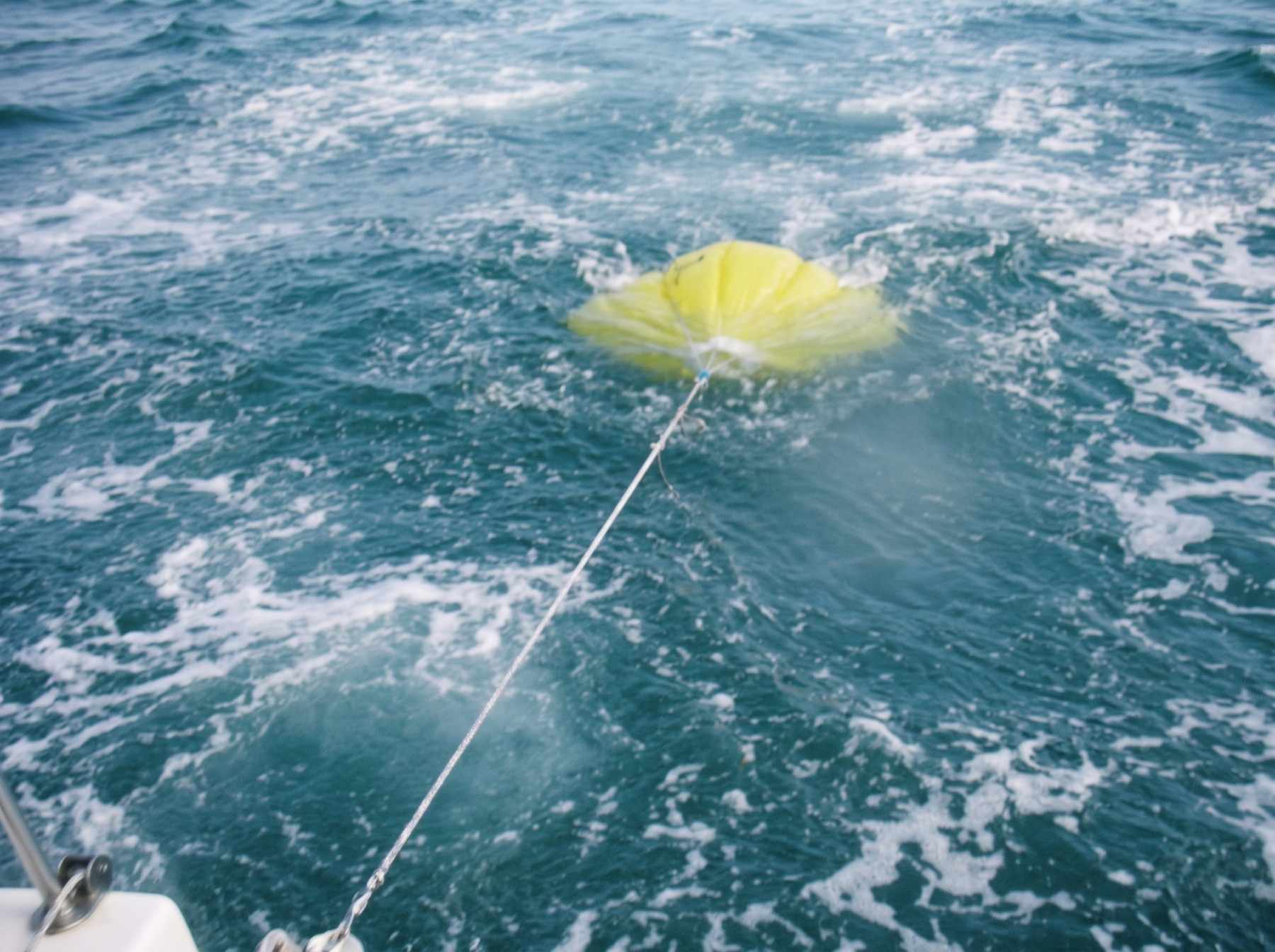
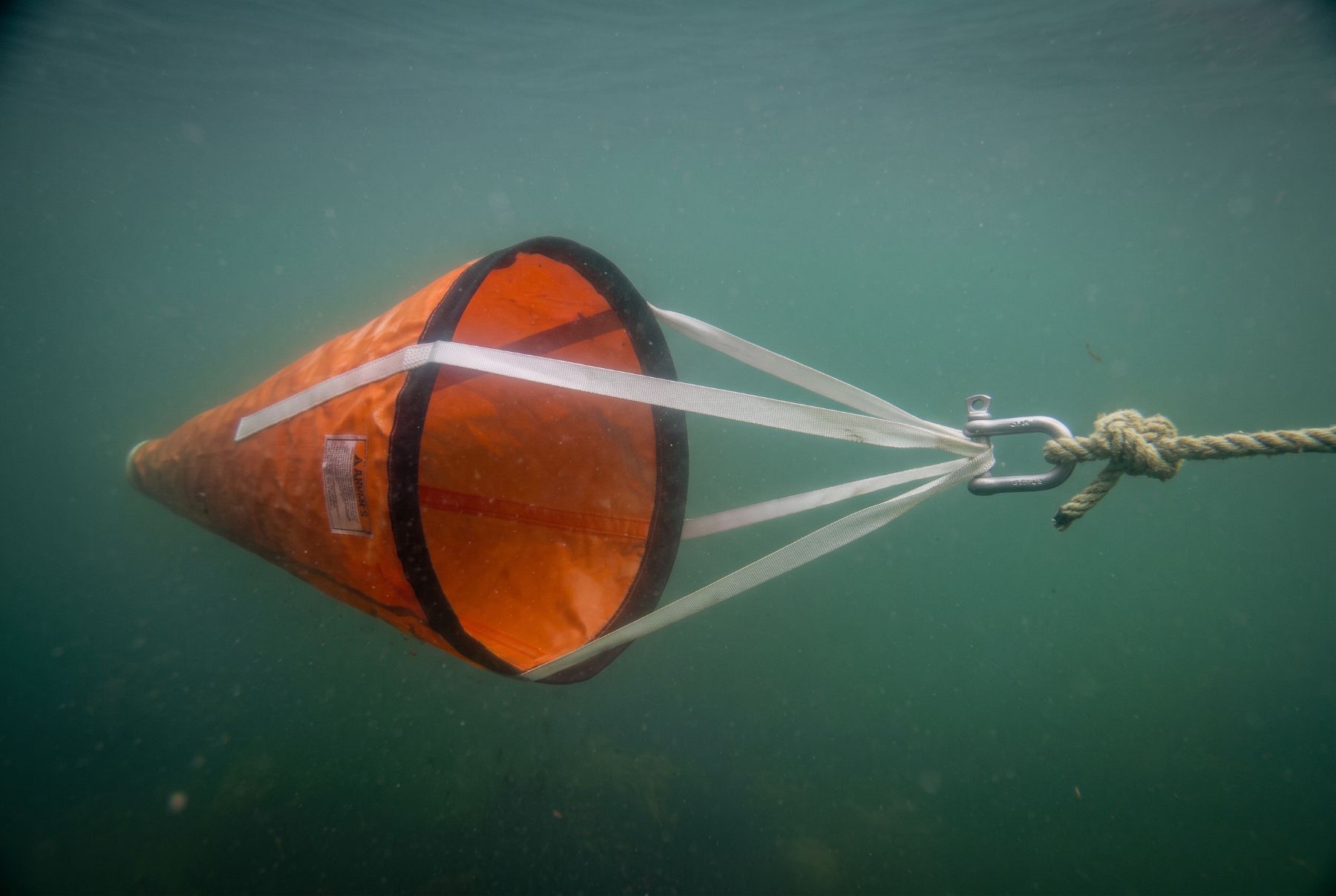
Depending on the application, the solution may function as an underwater parachute, marine drogue, sea anchor or soft braking device.
How the System Creates Control
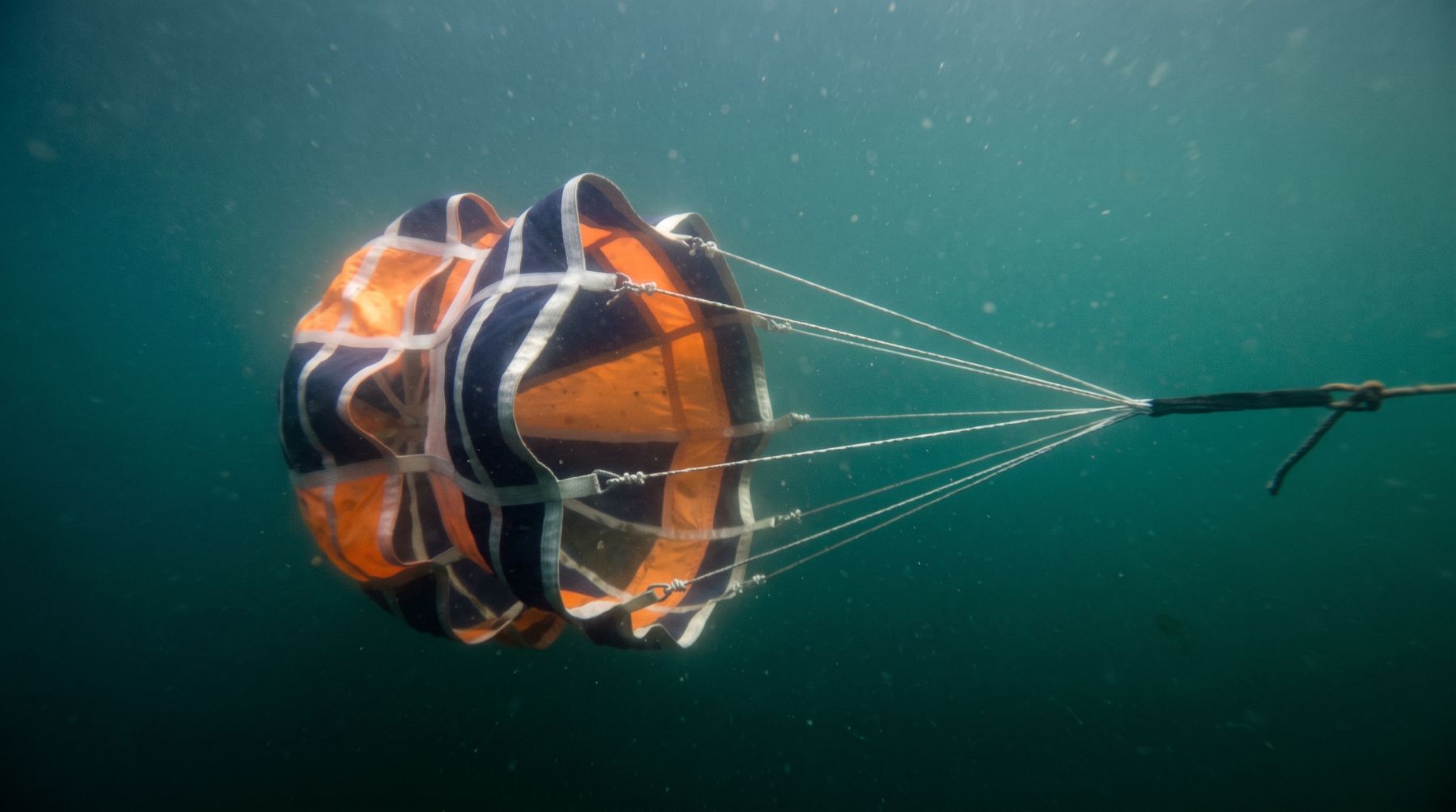
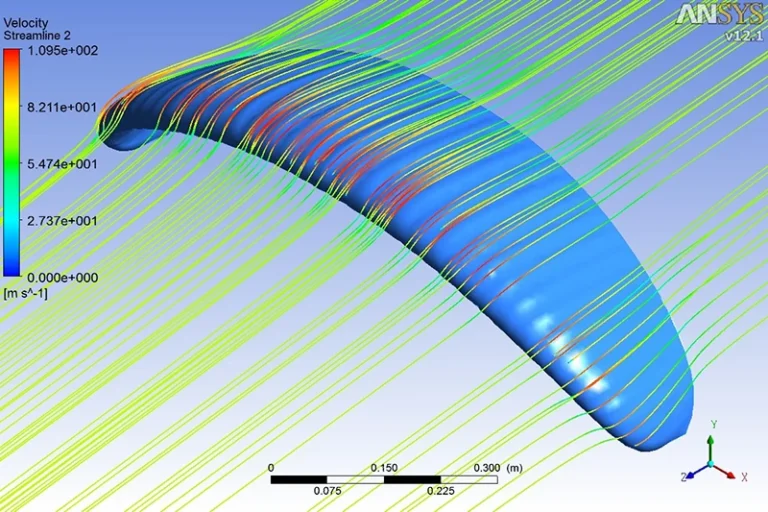
Once deployed, the textile structure opens in the surrounding fluid and creates hydrodynamic drag.
This drag can reduce speed, limit drift, stabilize heading, control underwater descent, reduce impact with the seabed or support recovery.
The structure’s area, geometry, porosity and tether arrangement determine the drag force, opening load and stability it creates.
The system does not work exactly like an aerial parachute. It must be engineered around the density, viscosity and movement of the operating fluid.
Materials for High-Density Fluid
Material selection depends on the operating fluid, pressure, deployment loads, exposure duration and reuse requirements.
Possible constructions may use:
High-tenacity polyester
Nylon
UHMWPE fibres
Aramid fibres
Coated textiles
Mesh structures
Ribbon constructions
Marine-grade hardware
The selected construction must balance structural strength, abrasion resistance, corrosion protection, flexibility, packed volume, system weight and hydrodynamic performance.
Waterproof fabric is not always required. In some systems, controlled porosity is necessary to manage drag, opening loads and stability.
Integration With the Platform
Your team brings the platform, mission and underwater operating requirements. APCO Aviation Defense brings parachute engineering, flexible drag-device design and defense textile expertise.
Together, both teams define the attachment interface, available packing space, deployment method, tether arrangement and required system behavior.
Canopy geometry, porosity, bridles, reefing, deployment containers, release mechanisms, flotation, ballast and retrieval elements can then be developed around the platform as one integrated solution.
The APCO project journey
From Requirement to Mission Readiness
We work with your team through every stage of the project to deliver reliable, mission-ready solutions.
APCO Aviation Defense works within the standards, certifications, and regulatory frameworks that support defense and aerospace programs.
ISO & AS Certifications
ITAR
EAR
DFARS
NIST
Berry Amendment
Buy American Act
Wassenaar Arrangement
Supplier Partnerships
Offset Program Support
Why APCO Aviation Defense
Underwater Deceleration Backed by Parachute and Textile Engineering Expertise.
APCO Aviation Defense combines more than 50 years of aviation manufacturing experience with parachute engineering, flexible drag structures and defense textile expertise. This allows underwater deceleration, hydrodynamic loads, deployment and platform integration to be considered as connected parts of the same solution.
Mission-led definition
Solutions are shaped around what must be recovered, captured or protected.
Lightweight, low-bulk design
Compact textile solutions help reduce integration burden and support prototypes, small production runs and larger project needs without requiring large batches.
Textile engineering expertise
Net materials, deployment logic and structural behavior are evaluated for the application.
Validation mindset
Selection and development are guided by the operating conditions and the validation required.
Off-the-shelf products
Proven products for recovery, deceleration and delivery
Explore ready product options developed for lightweight recovery, precision airdrop and mission-ready integration.
Find quick answers about our solutions, capabilities, and how we work.
What is an underwater deceleration system?
An underwater deceleration system is a deployable textile structure designed to create hydrodynamic drag in water or another high-density fluid. It can be used to reduce speed, stabilize movement, limit drift or support controlled recovery.
How does an underwater parachute work?
Once deployed, the textile structure opens in the surrounding fluid and creates drag. Its area, geometry, porosity and tether arrangement influence the resulting deceleration, opening loads and stability.
How is underwater deceleration different from an aerial parachute?
Water and other liquids are much denser than air, so the system experiences different loads and opening behavior. The design therefore needs to account for the density, viscosity and movement of the operating fluid.
What platforms can use high-density fluid deceleration systems?
Applications can include AUVs, UUVs, ROVs, torpedoes, test vehicles, subsea payloads, sensors, buoys, boats and other marine equipment requiring controlled movement or recovery.
What materials can be used in underwater drag systems?
Depending on the application, materials may include high-tenacity polyester, nylon, UHMWPE fibres, aramid fibres, coated textiles, mesh or ribbon constructions, together with marine-grade hardware.
Does the textile need to be waterproof?
Not necessarily. In some systems, controlled porosity is important for managing drag, opening loads and stability, so waterproof construction may not be required.
What needs to be considered when integrating the system with the platform?
Integration can include attachment points, available packing space, deployment method, tether arrangement and required system behavior. Elements such as bridles, reefing, release mechanisms, flotation, ballast and retrieval components may also form part of the overall solution.