Keep Your Recovery & Protection Systems Mission-Ready
APCO Aviation Defense provides post-delivery technical support, maintenance and repair for your recovery and protection textile systems, helping preserve critical assets, maintain system readiness and adapt to changing operational requirements.
A recovery or protection textile solution can develop new technical needs after delivery, use, deployment, transport or storage.
Support may be needed when:
The supplied system requires technical clarification
Storage, handling or deployment raises a question
Platform, payload or operating conditions have changed
Further testing or validation may be required
Maintenance, repair or an upgrade needs to be considered
The original solution no longer fits the current requirement
APCO Aviation Defense works with your team to understand what has changed and determine the appropriate technical direction.
Assess Condition and Serviceability
Continued use depends on more than how the system looks from the outside.
Depending on the solution, APCO may review:
Textile condition and wear
Seams and construction
Attachment points and mechanical connections
Platform interfaces
Folding, packing and storage
Deployment elements
Handling or transport effects
Changes to the platform or payload
Available technical documentation
The system is assessed against the recovery or protection function it still needs to perform, helping determine whether it can remain in service or requires further technical action.
Maintain, Repair or Upgrade
Different conditions require different responses.
Maintenance may address storage, packing, configuration, handling or other serviceability needs.
Repair may be required when wear or damage affects textile components, construction areas, connections or other parts of the physical system.
Upgrades may be considered when the platform, payload, deployment arrangement, integration limits or mission requirements have changed.
Where a modification affects the approved configuration or protective function, further prototype development, testing or validation may be required before the updated solution returns to use.
Keep Technical Information Connected
Supporting the physical system also means keeping the technical information around it clear and current.
Depending on the project, documentation may include:
Approved system configuration
Materials, components and interfaces
Packing, storage and handling information
Deployment and integration requirements
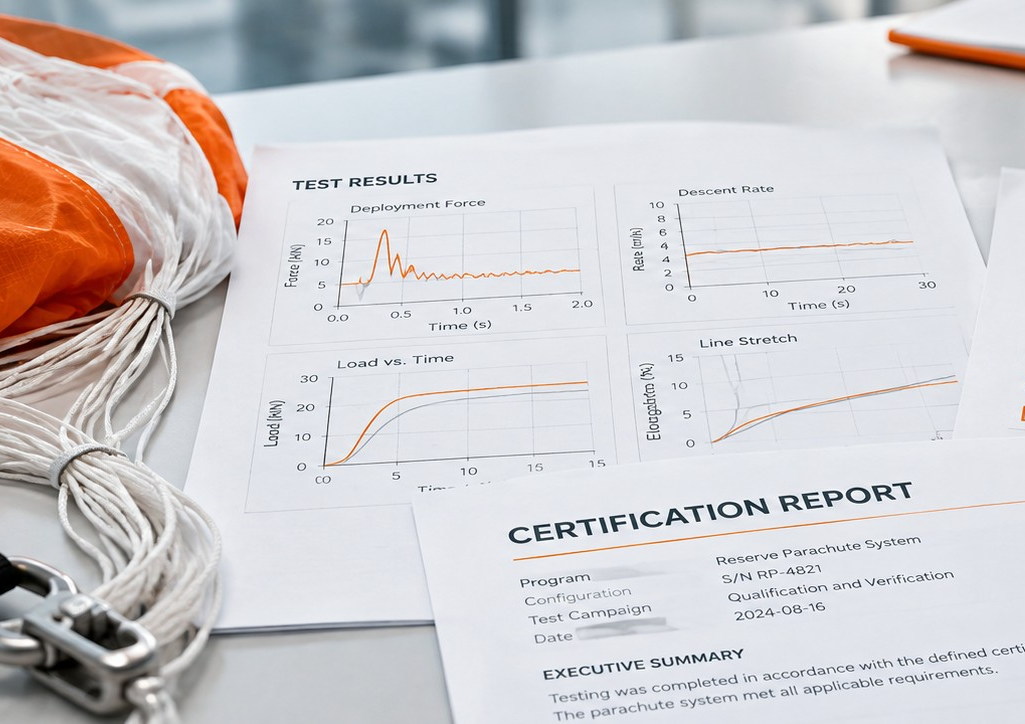
Testing and validation findings
Production and quality-control information
Traceability records
Information required for future technical review
Keeping this information connected to the physical solution helps engineering, quality, production and support teams make later decisions from the same technical basis.
What Your Team Receives
By the end of this stage, your team has a clearer technical basis for deciding how the delivered system should move forward.
Depending on the need, this may include:
Findings related to condition and serviceability
A maintenance, repair or upgrade direction
Clarification of relevant technical information
Identification of changed requirements
Identification of further testing or validation needs
Direction toward replacement or new development where required
Supporting documentation within the agreed scope
A clearer next technical action
The result is continuity between the delivered system, its technical history and the recovery or protection function it must continue to perform.
Why APCO Aviation Defense
Effective support starts with system understanding
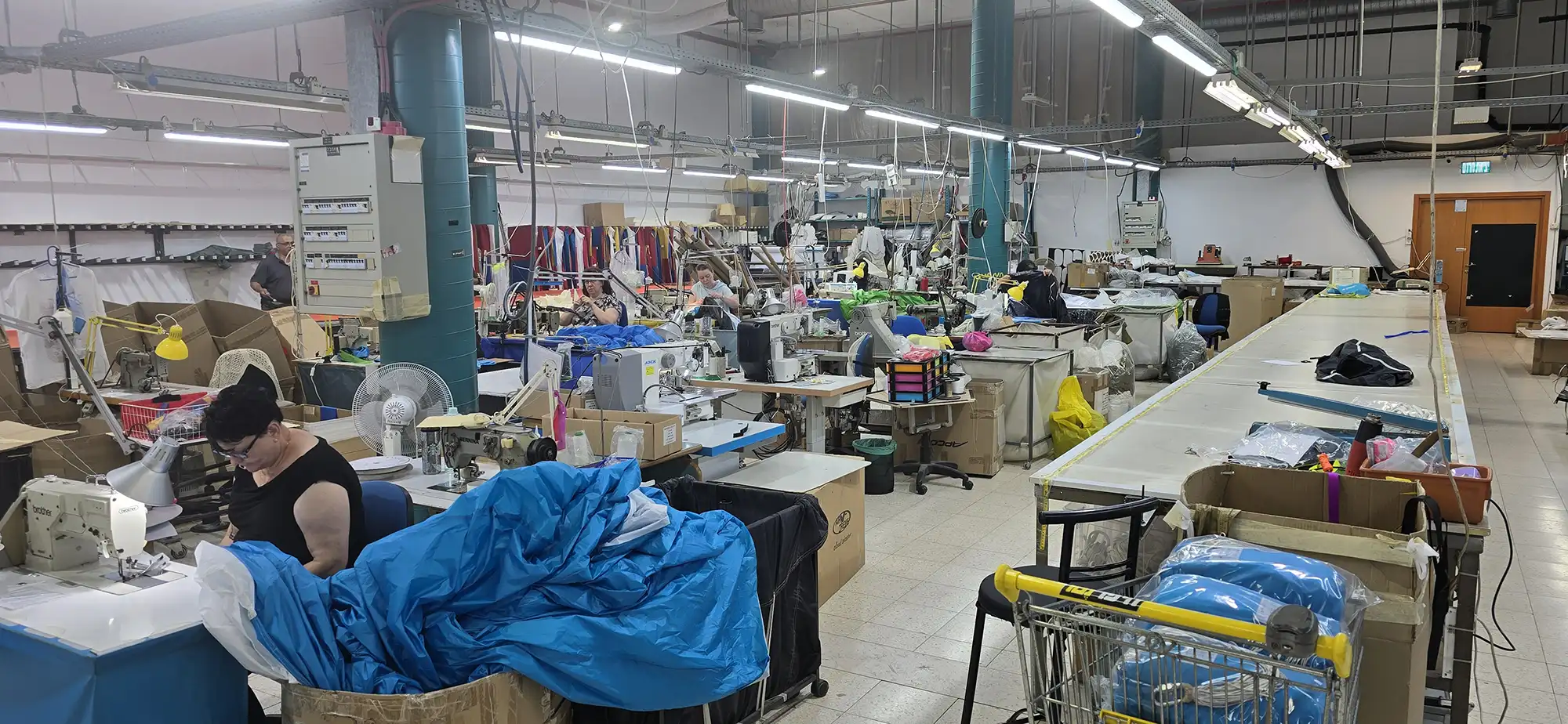
APCO Aviation Defense works across requirements, development, testing, production and quality control, maintaining technical knowledge throughout the system’s lifecycle.
This continuity helps us assess wear, damage or changing requirements against the system’s approved configuration and intended function, and determine the next steps.
Mission-led definition
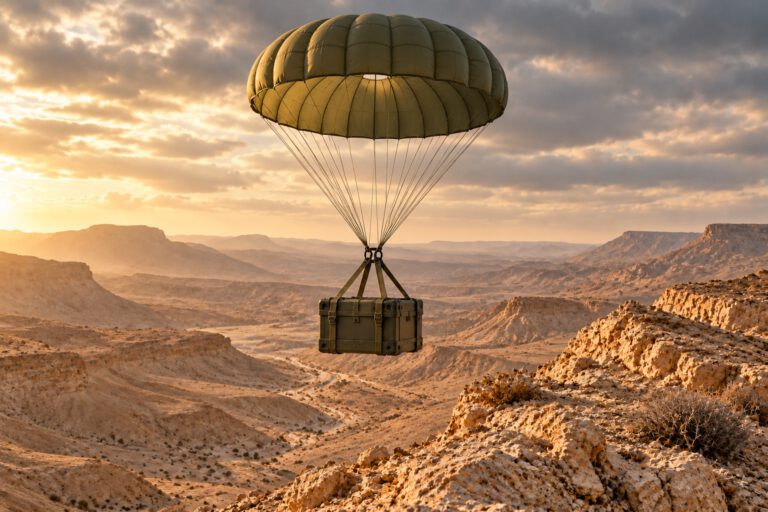
Solutions are shaped around what must be recovered, captured or protected.
Lightweight, low-bulk design
Compact textile solutions help reduce integration burden and support prototypes, small production runs and larger project needs without requiring large batches.
Textile engineering expertise
Net materials, deployment logic and structural behavior are evaluated for the application.
Validation mindset
Selection and development are guided by the operating conditions and the validation required.
Let’s Move Your Project Forward Together
50+Years of Aviation Experience
Together, we will turn your requirements into a clear technical direction and a solution built to preserve what matters most.
Common questions about supporting and sustaining delivered recovery and protection systems.
When should a recovery or protection textile system be assessed?
An assessment may be appropriate after use, deployment, transport, extended storage, visible damage or a change in platform, payload or operating requirements.
What does Support & Sustain include?
Depending on the system and project scope, support may include technical clarification, condition assessment, maintenance, repair, upgrades, documentation review and identification of further testing or development needs.
Can a system return to service after repair?
That depends on the system, the condition or damage, the repair performed and whether further inspection, testing or validation is required.
Can APCO Aviation Defense support changed platform or mission requirements?
Yes. APCO can review how the changed requirement affects the supplied system and whether an upgrade, further testing, new prototype or replacement direction should be considered.
Why is documentation important after delivery?
Documentation keeps information about the system configuration, materials, interfaces, handling, testing and production connected to the physical solution, providing a technical basis for future support decisions.
Does every upgrade require new testing?
Not always. Further prototype development, testing or validation may be required when a change affects the system configuration, deployment behaviour, integration or intended recovery or protection function.
What happens if the existing system can no longer meet the requirement?
The next step may be an upgrade, further testing, replacement or a return to an earlier development stage to define and develop a new solution.