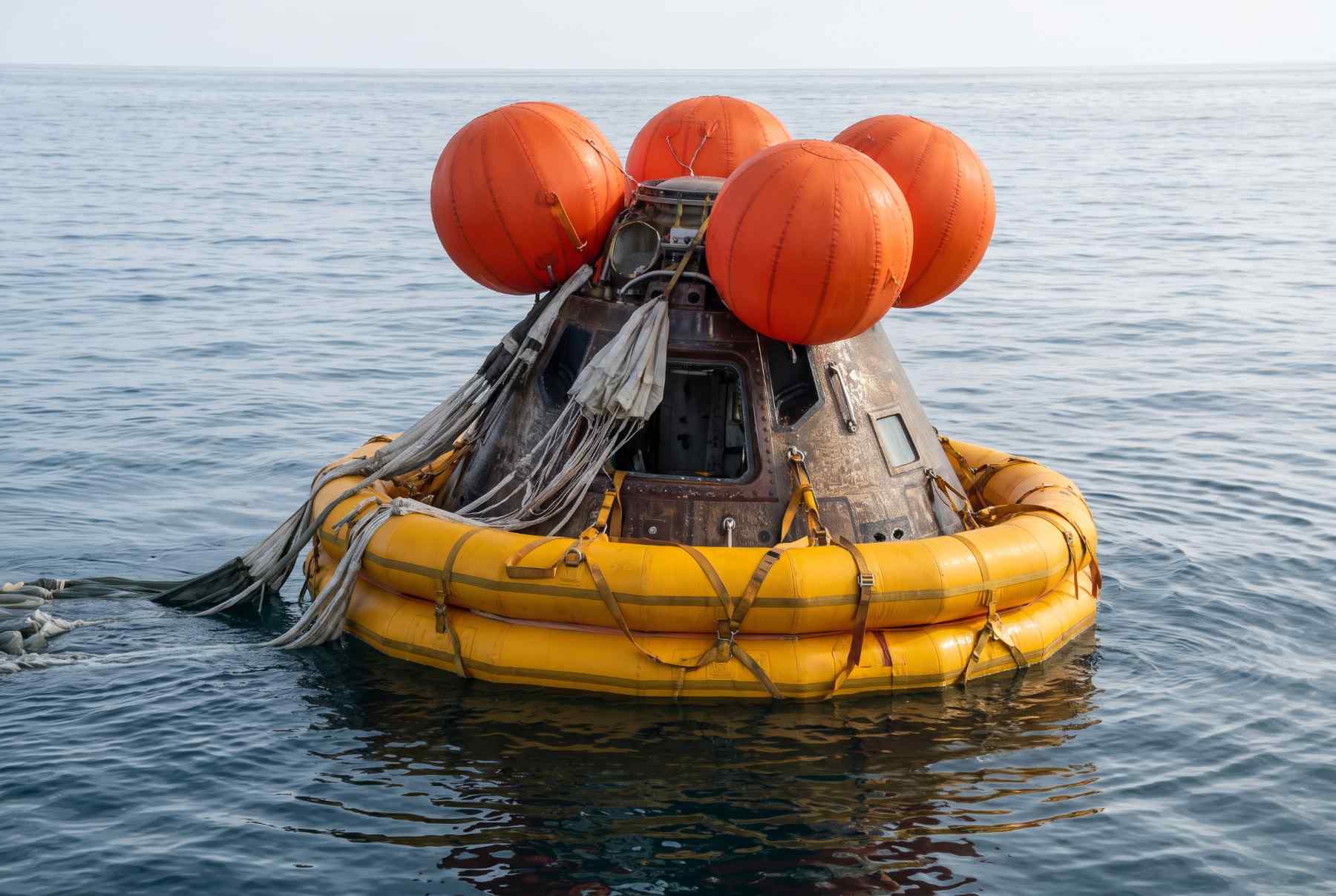
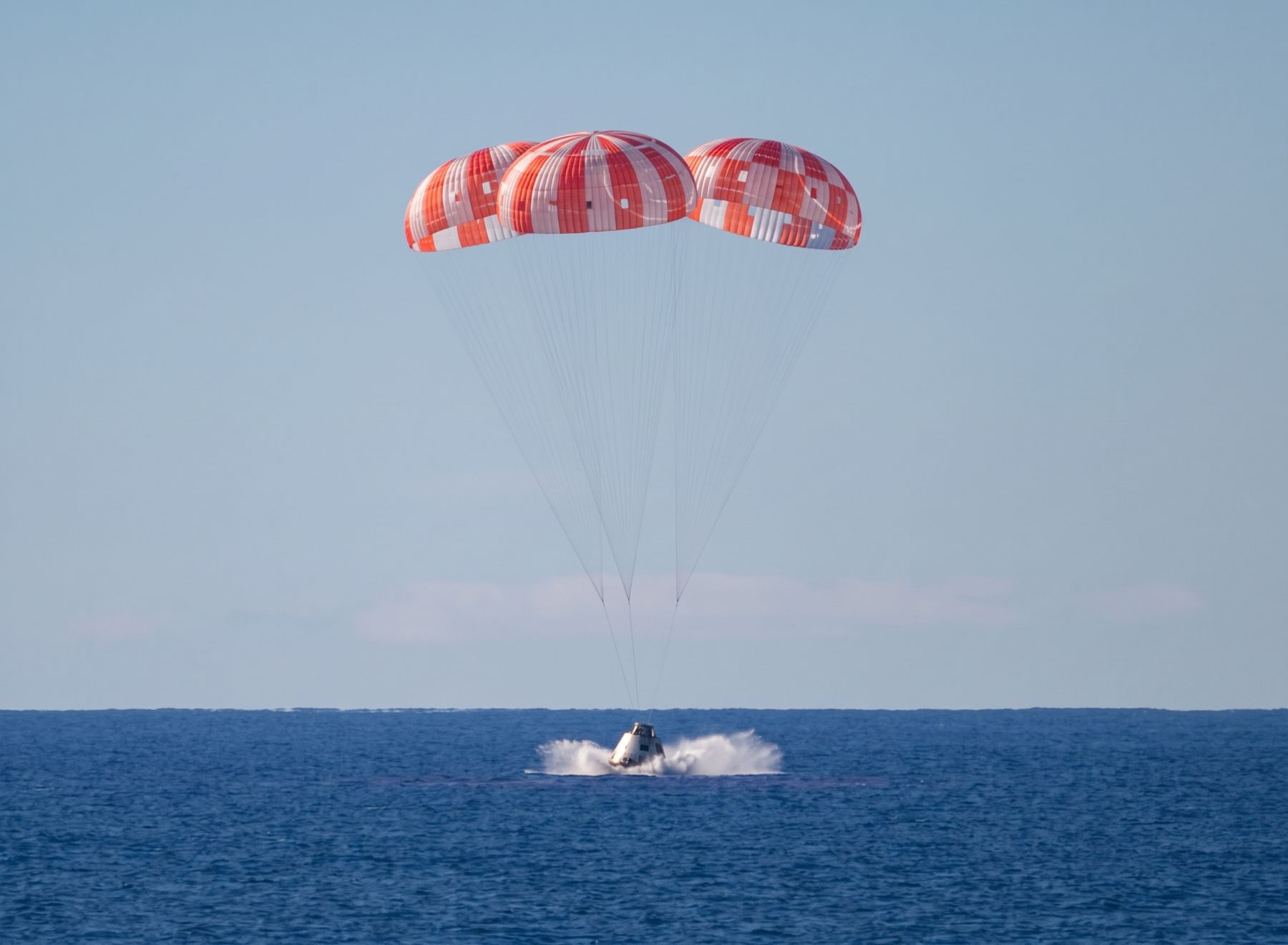
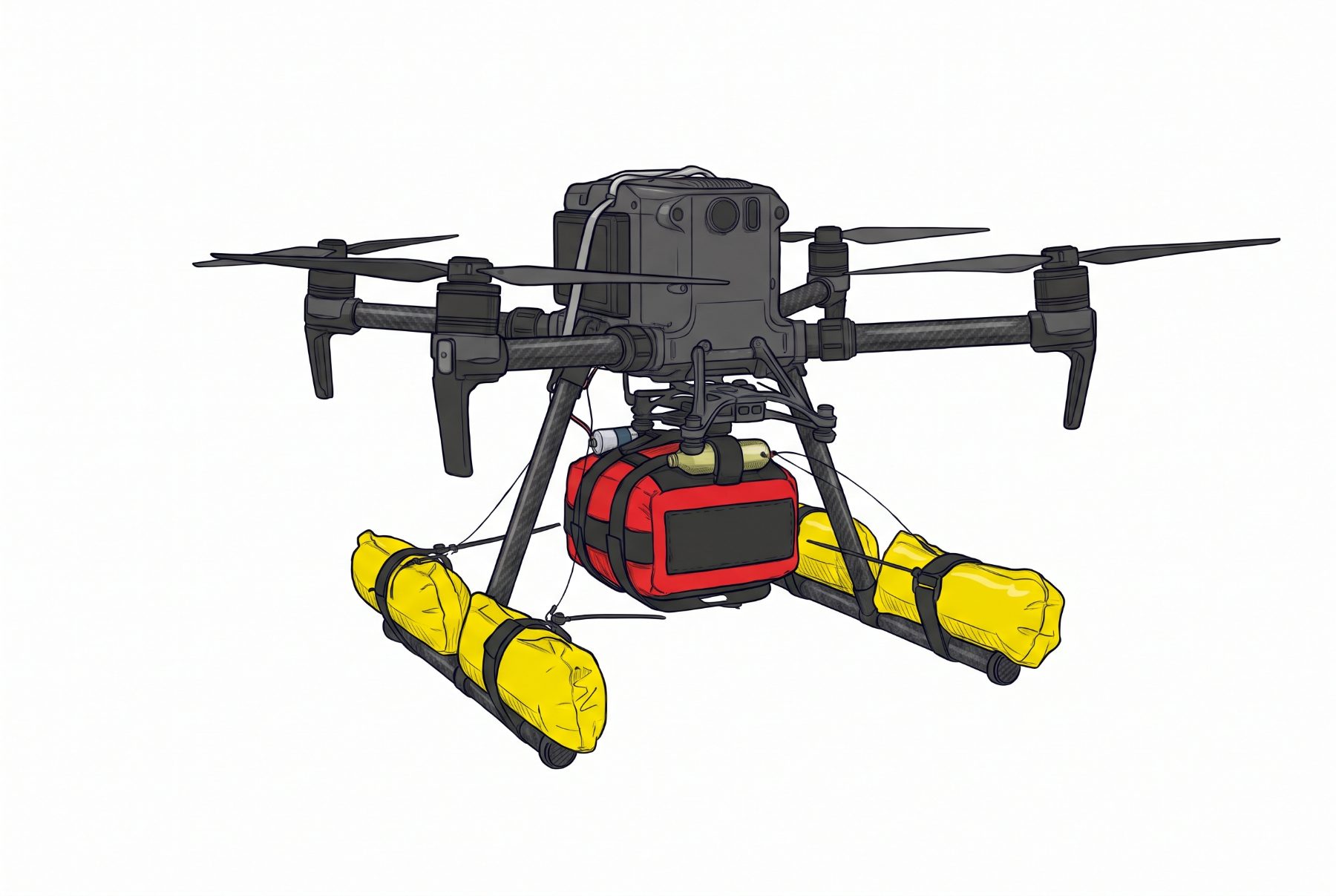
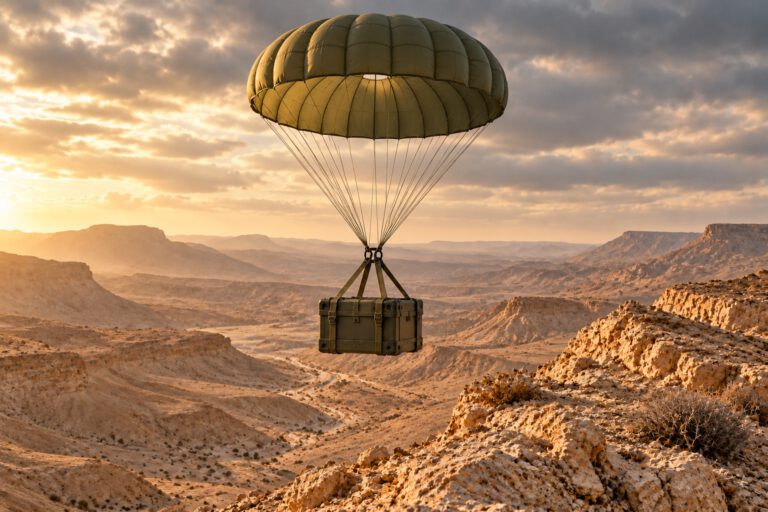
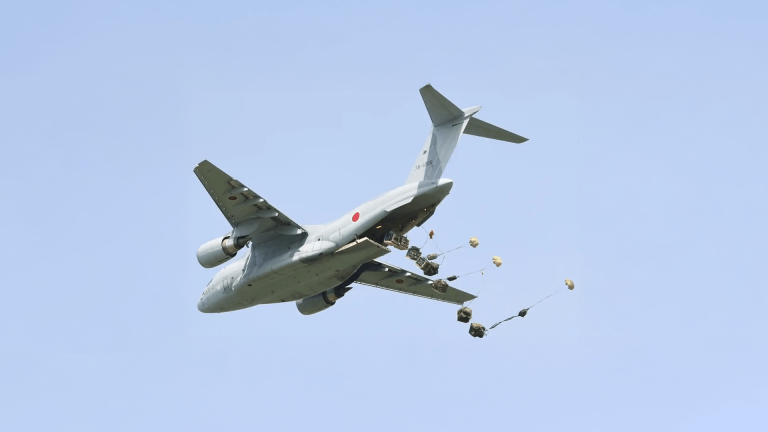
When recovery conditions are uncertain, your UAV or mission-critical platform needs to be ready for both land and water landing.
APCO Aviation Defense develops amphibious textile recovery solutions that combine controlled descent, impact protection, and flotation to help preserve UAVs, payloads, and mission-critical systems until retrieval.
Not every mission ends in a controlled landing zone. Platforms may come down on land, in water, or in areas where retrieval is delayed.
An amphibious recovery solution helps prepare for those scenarios by supporting:
Planned and emergency recovery
Land and water landing conditions
Platform and payload protection
Full or partial flotation
Air retention until retrieval
Drying, servicing, and reuse
The goal is simple: keep the asset protected, afloat, and recoverable.
How Amphibious Recovery Solution Works
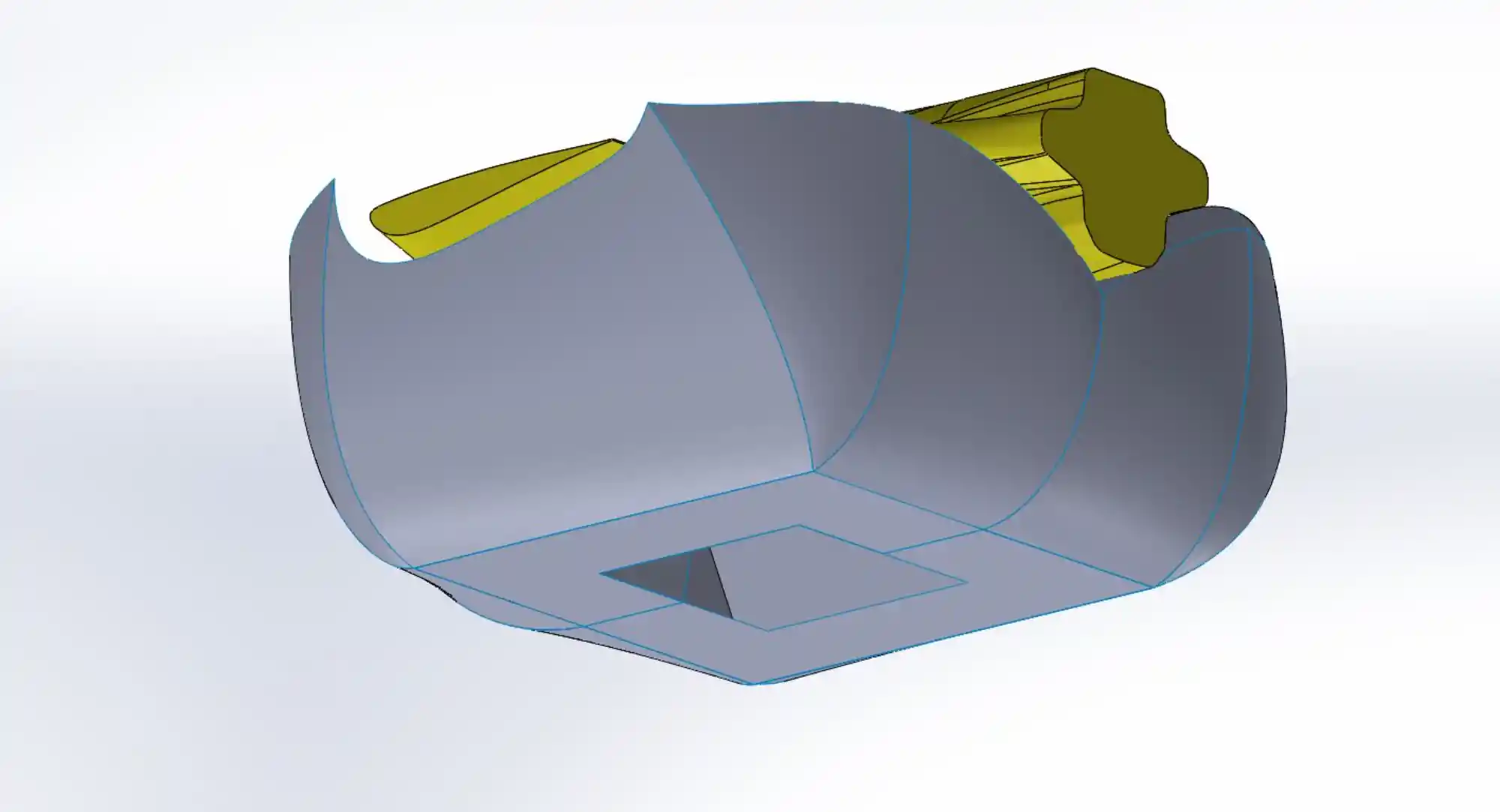
APCO’s amphibious recovery systems can be integrated with the parachute system or developed as a separate flotation solution.
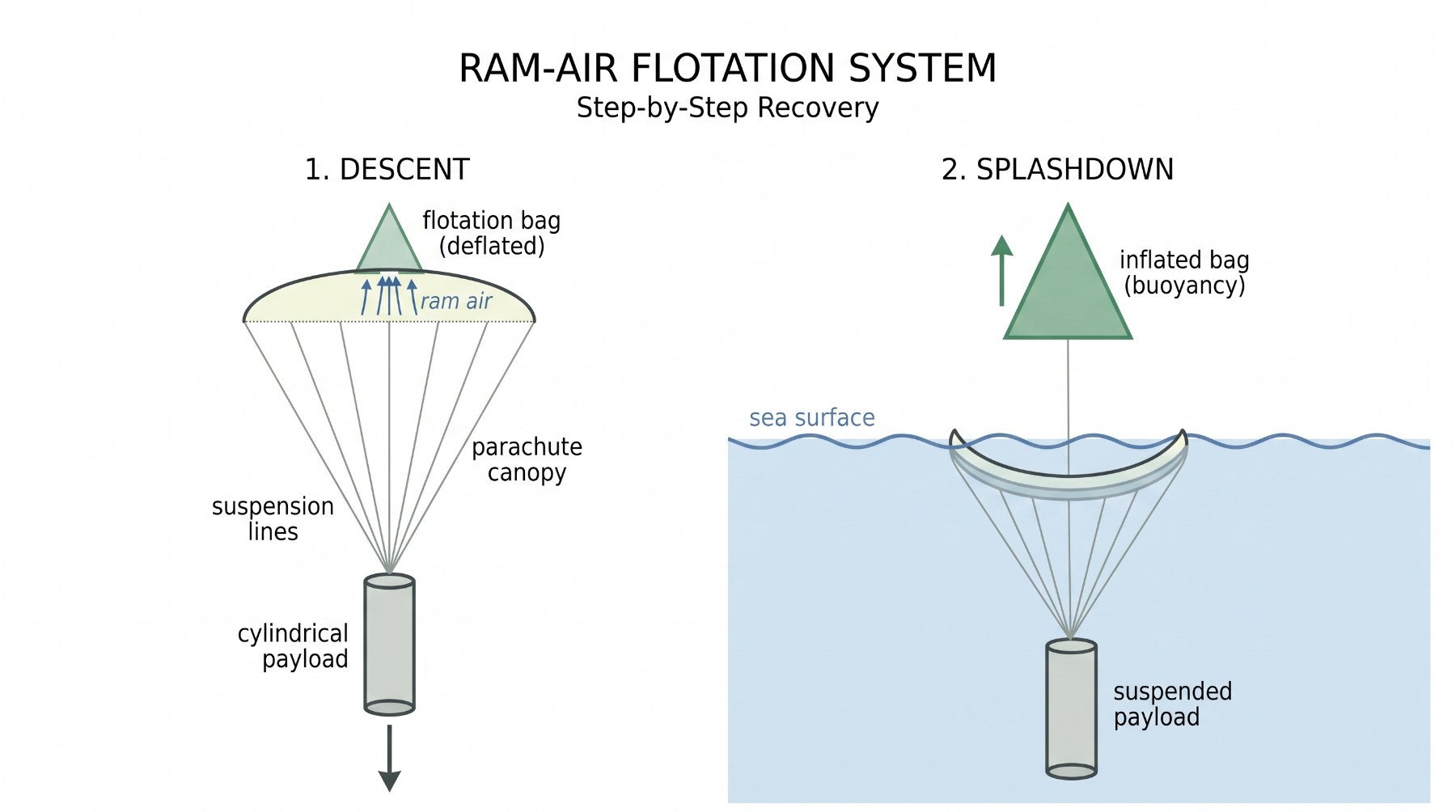
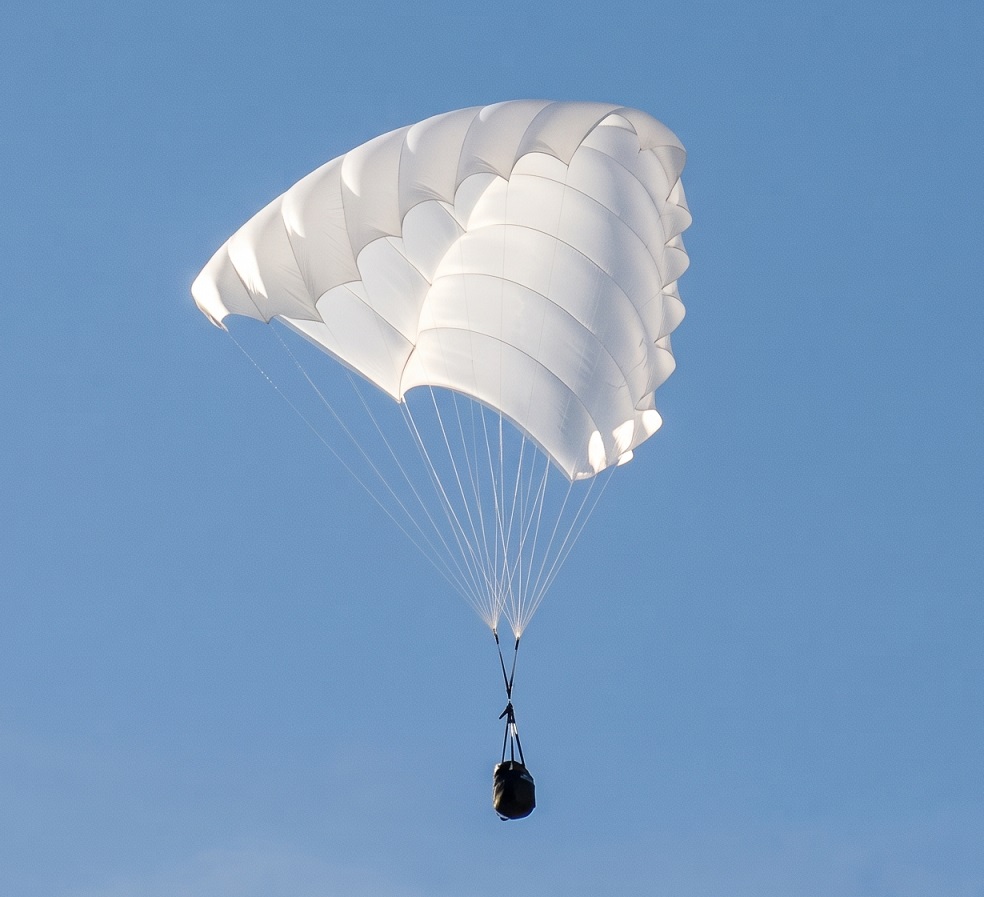
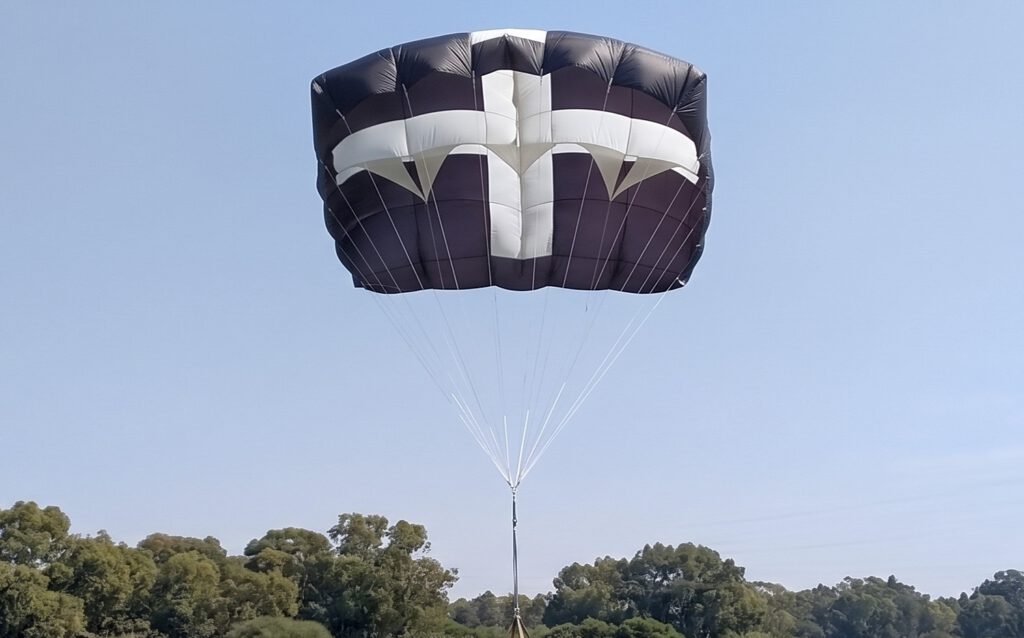
The parachute manages descent and impact protection. The amphibious textile element provides flotation after water landing, using active or passive inflation depending on the mission and platform requirements.
The design considers:
Platform weight, size, and density
Required flotation volume
Inflation method and timing
Packing space and weight limits
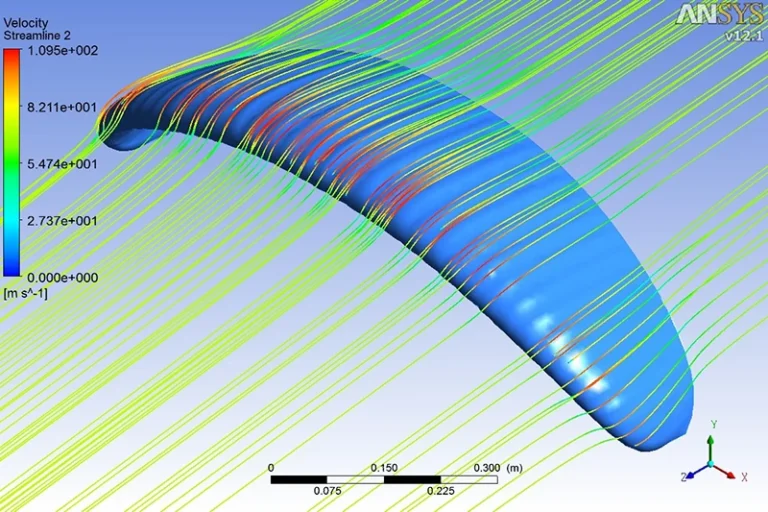
Aerodynamic forces
Expected time until retrieval
When Your Platform Lands on Water
What happens after touchdown is as important as the descent itself. The system must keep the platform protected and afloat until retrieval.
Both teams consider recovery time, weather, flotation duration, air retention, access, servicing, and repacking. For reusable systems, the cycle must work from deployment through water retrieval and reuse.
Integration With the Platform
Your team brings the platform and mission knowledge. APCO brings recovery, flotation, aerodynamics, and textile engineering expertise.
Together, both teams define the solution around the platform, payload, and recovery environment. Where possible, the amphibious element is integrated into the parachute, allowing descent, impact protection, and flotation to work together.
Textile Materials That Adapt to the Mission
Amphibious recovery is not built around one standard material package. The right combination depends on the platform, flotation time, inflation method, loads, and retrieval plan.
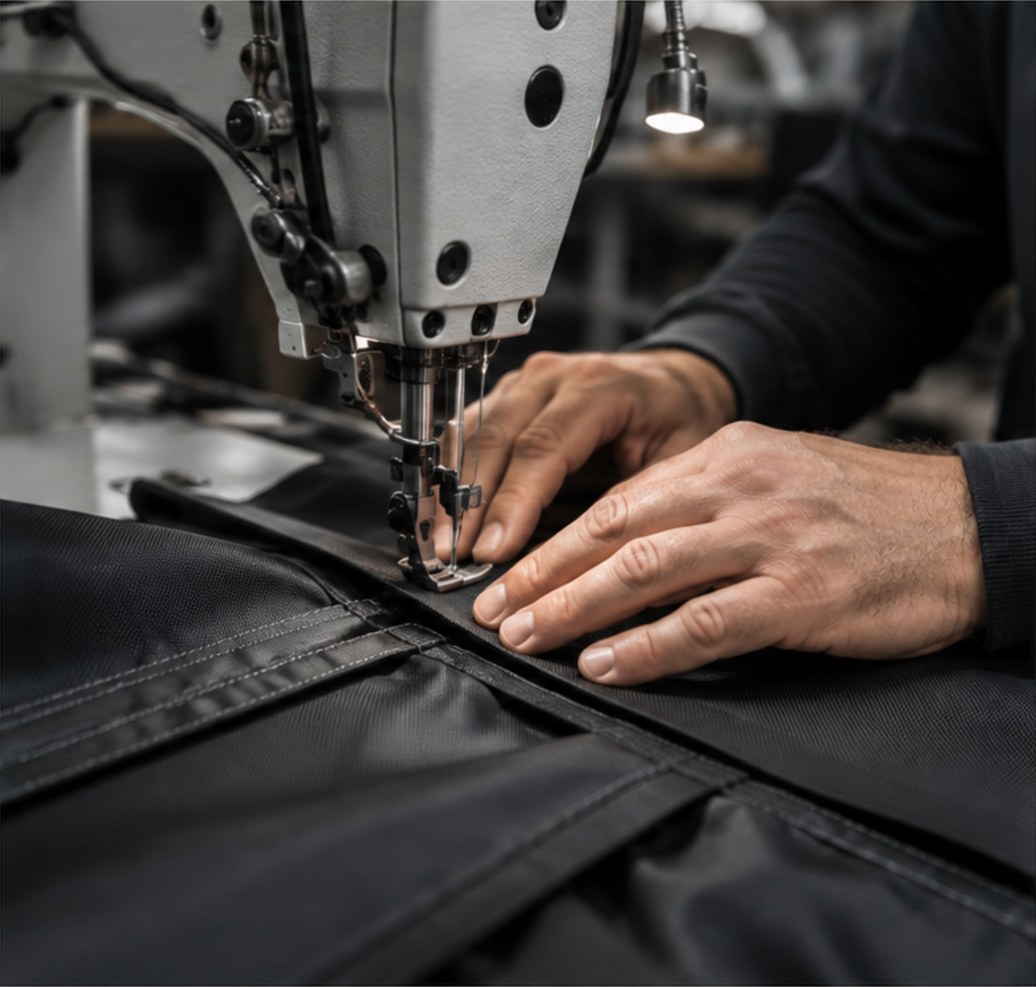
This is where textile engineering provides flexibility. Nylon, polyester, TPU, latex, and other weldable materials can be integrated around the platform. Materials are selected to balance strength, weight, air retention, durability, and reuse. Anti-corrosion treatments can be considered where metal hardware is exposed to water.
The APCO project journey
From Requirement to Mission Readiness
We work with your team through every stage of the project to deliver reliable, mission-ready solutions.
APCO Aviation Defense works within the standards, certifications, and regulatory frameworks that support defense and aerospace programs.
ISO & AS Certifications
ITAR
EAR
DFARS
NIST
Berry Amendment
Buy American Act
Wassenaar Arrangement
Supplier Partnerships
Offset Program Support
Why APCO Aviation Defense
Amphibious recovery requires experience across descent, flotation and retrieval.
APCO Aviation Defense combines recovery, flotation, aerodynamics, and textile engineering expertise to develop lightweight, low-bulk amphibious recovery solutions around the platform and required return condition. This allows descent, impact protection, flotation, and retrieval to be considered as connected parts of the same recovery system.
Mission-led definition
Solutions are shaped around what must be recovered, captured or protected.
Lightweight, low-bulk design
Compact textile solutions help reduce integration burden and support prototypes, small production runs and larger project needs without requiring large batches.
Textile engineering expertise
Net materials, deployment logic and structural behavior are evaluated for the application.
Validation mindset
Selection and development are guided by the operating conditions and the validation required.
Off-the-shelf products
Proven products for recovery, deceleration and delivery
Explore ready product options developed for lightweight recovery, precision airdrop and mission-ready integration.
Quick answers about amphibious recovery, flotation, and how we work with your team.
Can one amphibious system handle both land and water landings?
Yes. An amphibious recovery solution is designed for uncertain recovery environments where the platform may come down on land or in water. One inflatable element can even support both cases — acting as impact protection during a land landing and as a flotation device after a water landing.
How does the flotation element work with the parachute?
The parachute manages descent and impact protection, while the amphibious textile element provides flotation after water landing, using active or passive inflation depending on the mission and platform requirements. Where possible, the flotation element is integrated into the parachute system, so descent, impact protection, and flotation work together; it can also be developed as a separate flotation solution.
How long will the platform stay afloat?
Retrieval time drives the design. The expected time between water touchdown and recovery determines the required flotation duration, air retention, and material selection. Inflatable volumes naturally lose air over time, so the expected rate of air dissipation is considered when sizing the flotation capacity.
What materials are used in amphibious recovery solutions?
Nylon, polyester, TPU, latex, and other weldable materials can be integrated around the platform. Materials are selected to balance strength, weight, air retention, durability, and reuse. Anti-corrosion treatments can be considered where metal hardware is exposed to water.
Can the system be reused after a water landing?
For reusable systems, the recovery cycle is designed to work from deployment through water retrieval, drying, servicing, and repacking — so the asset and its recovery system remain available for further use.
How do we start a project with APCO Aviation Defense?
Use the Define your project form or contact our team directly. Tell us what you need to protect, where the platform may land, and how long it must remain afloat — we then come back with questions, options and a proposed way forward.