Home → Solutions → Fire and Heat Resistant Recovery Systems
THERMAL EXPOSURE
Fire and Heat Resistant Recovery Systems
Resist. Deploy. Recover.
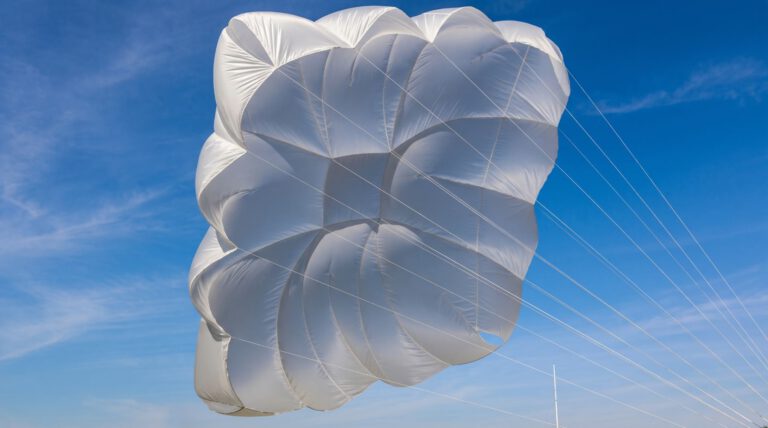
APCO Aviation Defense develops lightweight, low-bulk recovery textile solutions for UAVs, aerospace platforms, and other mission-critical applications exposed to flame, hot gases, engine exhaust, pyrotechnics, or radiant heat.
These recovery systems are defined around the complete thermal and mechanical environment, including the canopy, lines, seams, deployment bag, risers, and attachment points, so heat resistance does not come at the expense of reliable deployment or payload protection.
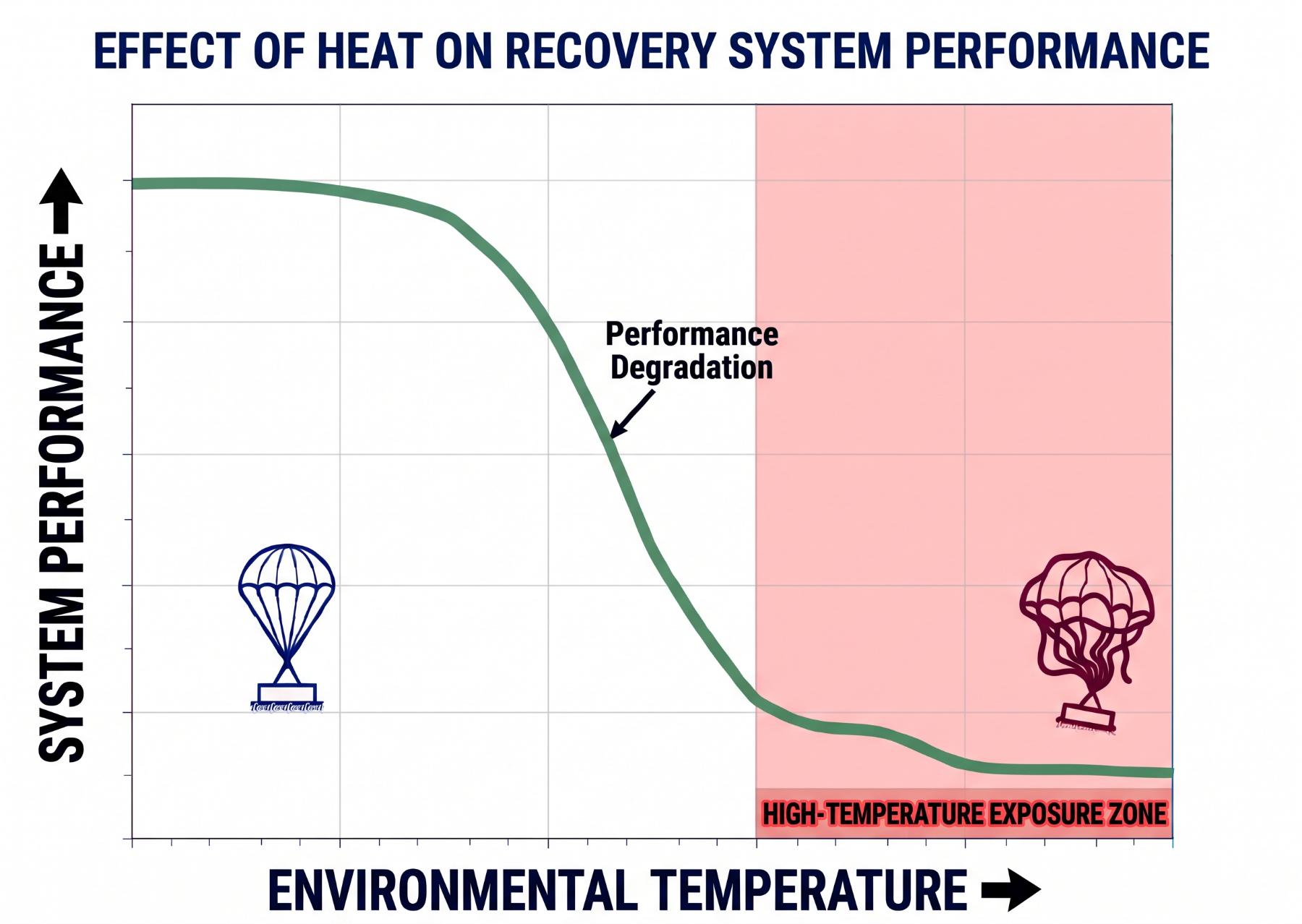
High-temperature exposure affects more than material selection. It can influence how the recovery system opens, how loads are transferred through the structure, how seams perform, and how the system behaves after folding, vibration, or repeated packing.
When materials such as Kevlar are required, the design must also account for their lower elasticity and sensitivity to bending.
The objective is to preserve reliable deployment, protect the payload, and reduce stress on the platform while operating in a high-temperature environment.
What APCO's Recovery Solution Covers
Depending on the platform and mission, the recovery solution may include:
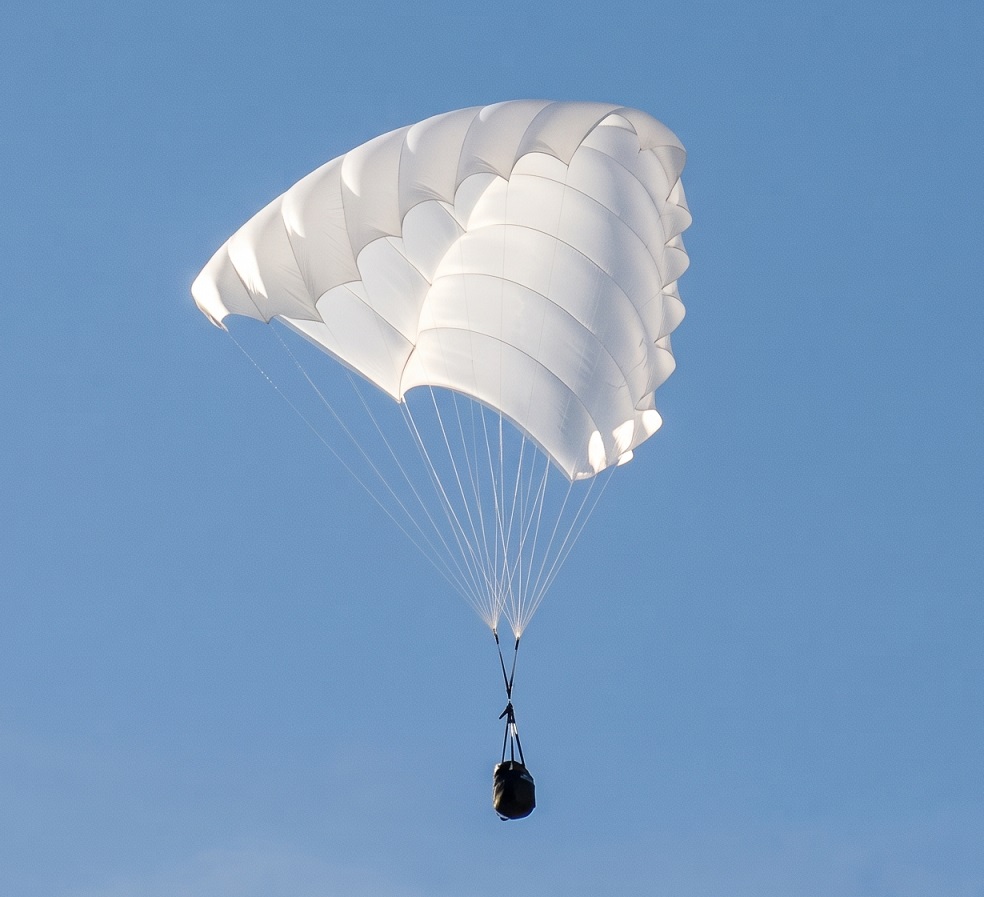
Fire- and heat-resistant parachutes
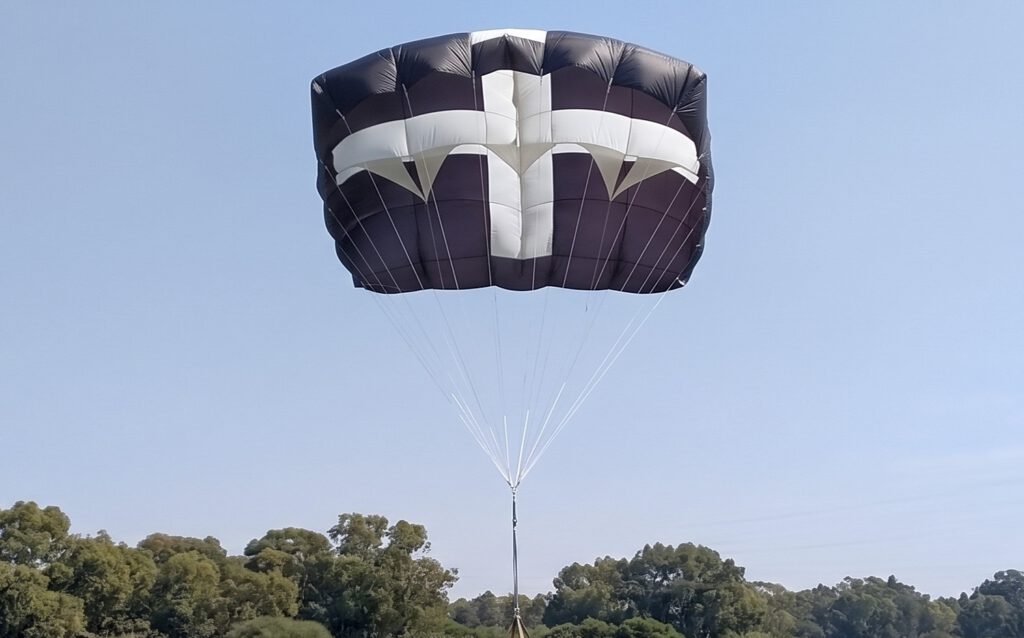
Recovery systems for UAVs and aerospace platforms
Heat-resistant deployment bags, bridles, and risers
Kevlar-based canopies, lines, tapes, and seams
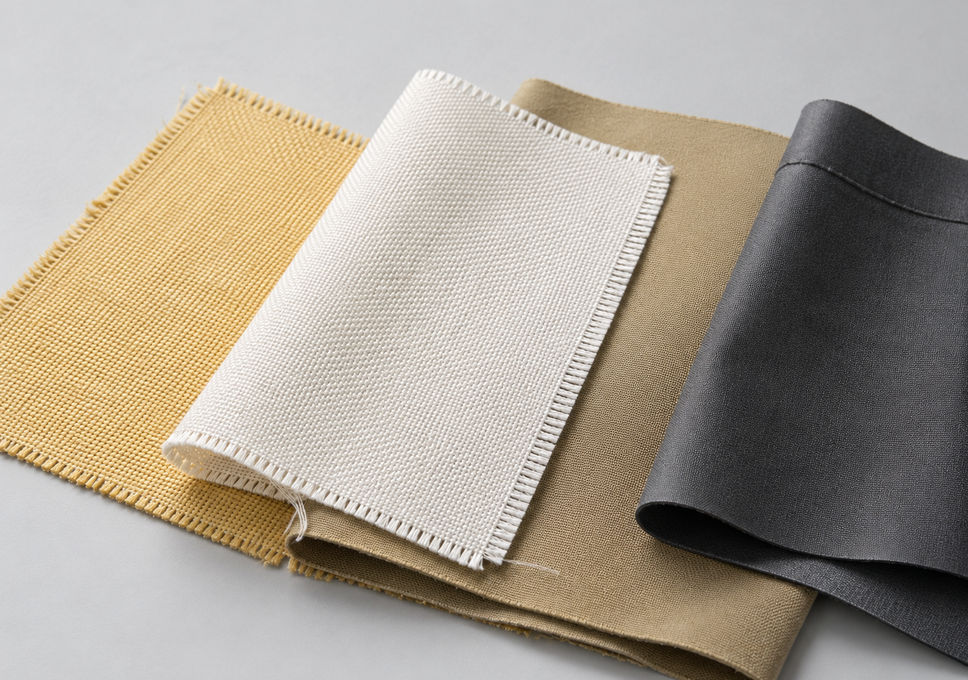
Hybrid systems using Kevlar, Nomex®, fiberglass, coated fabrics, or protective thermal layers
Opening-shock control, reefing, and staged deployment
Inspection, packing, and replacement requirements
Materials Selected for the Mission
There is no single material package for every high-temperature application. Material selection depends on the thermal environment, deployment method, structural loads, and operational requirements.
Potential materials include Kevlar, Nomex®, fiberglass, coated fabrics, and protective thermal layers. The selected combination must balance heat resistance, strength, weight, durability, flexibility, and deployment reliability.
Integration to the Recovery System
Fire-resistant materials cannot simply replace conventional fabrics. Kevlar and other high-temperature textiles have different mechanical properties that affect flexibility, packing, deployment, and load distribution.
The canopy, suspension lines, seams, deployment bag, risers, and attachment points must therefore be considered together as one integrated recovery system.
The APCO project journey
From Requirement to Mission Readiness
We work with your team through every stage of the project to deliver reliable, mission-ready solutions.
APCO Aviation Defense works within the standards, certifications, and regulatory frameworks that support defense and aerospace programs.
ISO & AS Certifications
ITAR
EAR
DFARS
NIST
Berry Amendment
Buy American Act
Wassenaar Arrangement
Supplier Partnerships
Offset Program Support
Why APCO Aviation Defense
Built for High-Heat Recovery
APCO Aviation Defense combines lightweight, low-bulk recovery-system engineering with defense textile expertise for demanding operating environments. This allows thermal exposure, deployment behavior, structural loads, and payload protection to be considered as connected parts of the same recovery solution.
Mission-led definition
Solutions are shaped around what must be recovered, captured or protected.
Lightweight, low-bulk design
Compact textile solutions help reduce integration burden and support prototypes, small production runs and larger project needs without requiring large batches.
Textile engineering expertise
Net materials, deployment logic and structural behavior are evaluated for the application.
Validation mindset
Selection and development are guided by the operating conditions and the validation required.
Off-the-shelf products
Proven products for recovery, deceleration and delivery
Explore ready product options developed for lightweight recovery, precision airdrop and mission-ready integration.
Find quick answers about our solutions, capabilities, and how we work.
What is a fire and heat resistant recovery system?
It is a recovery system designed for UAVs, aerospace platforms, and other mission-critical applications that may be exposed to flame, hot gases, engine exhaust, pyrotechnics, or radiant heat.
Why does heat resistance affect more than material selection?
High-temperature exposure can influence deployment behavior, load transfer, seam performance, flexibility, packing, and how the system performs after vibration or repeated folding.
What materials can be used in heat-resistant recovery systems?
Depending on the mission, potential materials can include Kevlar, Nomex®, fiberglass, coated fabrics, and protective thermal layers.
Can Kevlar simply replace conventional parachute fabric?
No. Kevlar has different mechanical properties, including lower elasticity and sensitivity to bending, so its effect on packing, deployment, load distribution, and system flexibility must also be considered.
What parts of the recovery system need to be considered for thermal exposure?
The complete recovery system may include the canopy, suspension lines, seams, deployment bag, bridles, risers, attachment points, and other protective or deployment components.
How can opening shock be managed in a heat-resistant recovery system?
Depending on the application, the system may incorporate reefing, staged deployment, or other opening-shock control methods to manage loads during deployment.
How is the system integrated with the platform?
The canopy, lines, seams, deployment bag, risers, and attachment points are considered together so that heat resistance, structural loads, deployment behavior, and payload protection remain part of one integrated recovery solution.