Release mechanisms are essential safety components designed to prevent a platform from being dragged by its parachute after landing in windy conditions. By disconnecting the parachute from the payload immediately after touchdown, these systems protect both the platform and the parachute, allowing the canopy to deflate quickly and prevent damage to the payload and the parachute from being dragged on the ground.
Release mechanisms are critical for UAV recovery, cargo drop operations and various high-value equipment integrity as they are minimizing post-landing damage and ensuring mission success.
An automatic release mechanism activates when a specific load threshold is detected, typically during parachute deployment, and disengages the parachute when the load drops below a preset level, such as at ground contact.
* Fully automatic – no operator intervention required.
* Fast canopy deflation to prevent wind drag.
* Possibility of accidental releases in certain conditions.
* Additional system weight.
* Potential fuselage damage from rebound forces during deployment.
Manual Release Mechanisms
Manual release systems require an intentional action, either electrical or mechanical, to disengage the parachute. The best choice depends on payload size, mission profile, reuse frequency, and operational constraints.
Common Release Mechanism Types
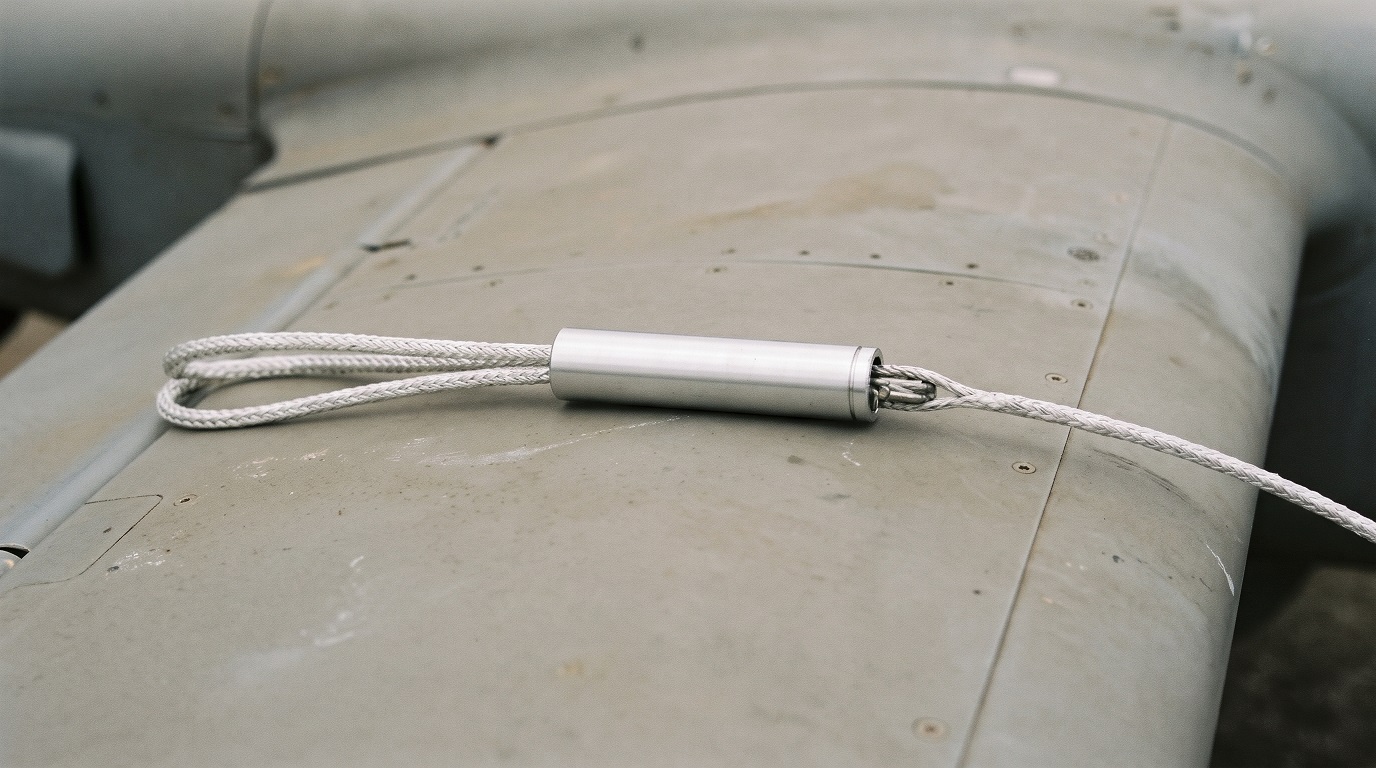
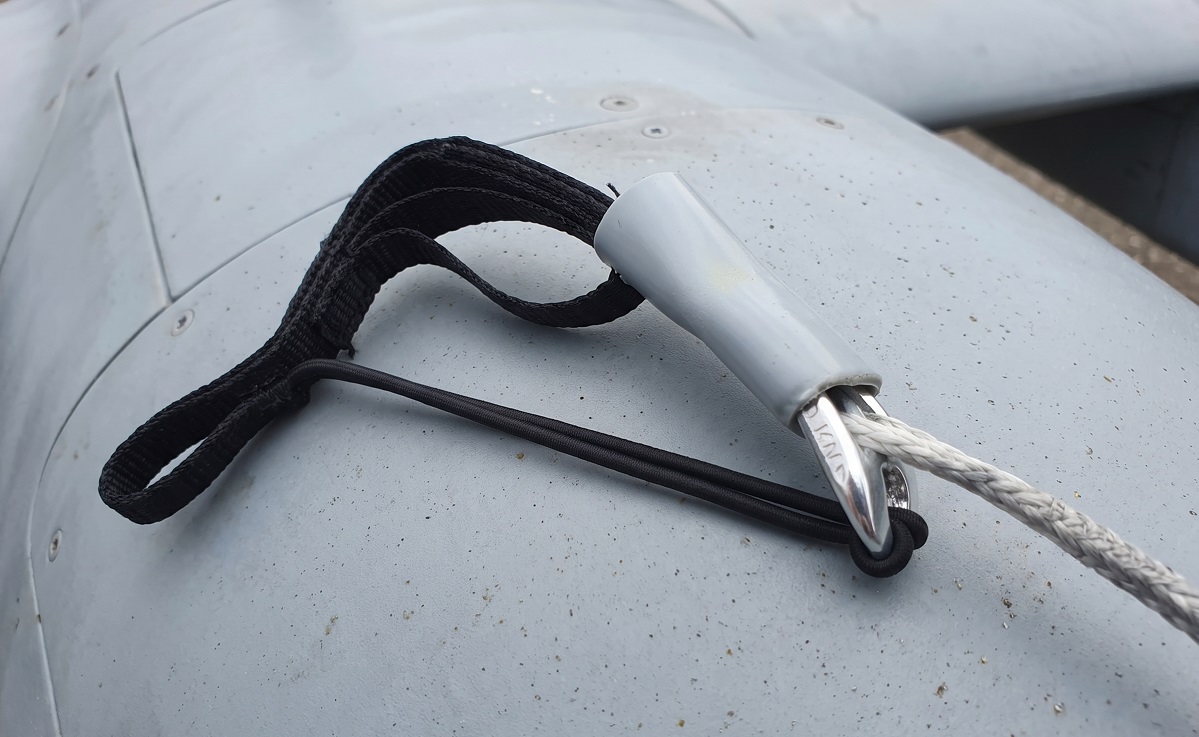
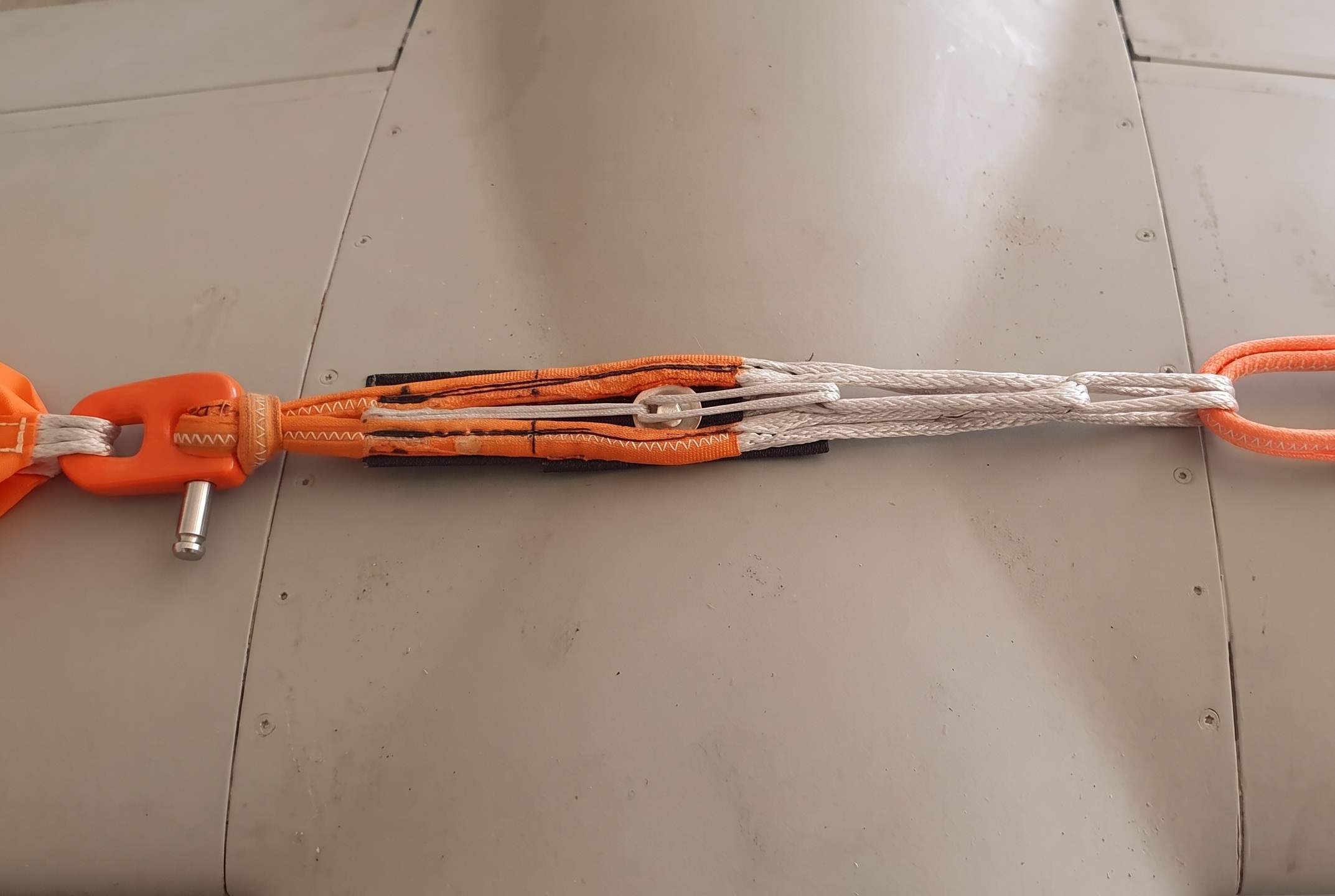
3-Ring Release System – A proven parachute release mechanism available in multiple configurations, including lightweight Dyneema loop versions designed to reduce system mass.
Cypres Electromechanical Cutters – Parachute cutters widely used in the skydiving industry, offering a compact electromechanical release option with established field use.
Jettison Systems – Release mechanisms activated by servo motors, supporting remote or automated parachute release where required by the recovery system.
Tow Release Systems – Lightweight release mechanisms based on paragliding tow-launch equipment, offering a simple mechanical approach for specific recovery and release requirements.
significance of Release Mechanisms
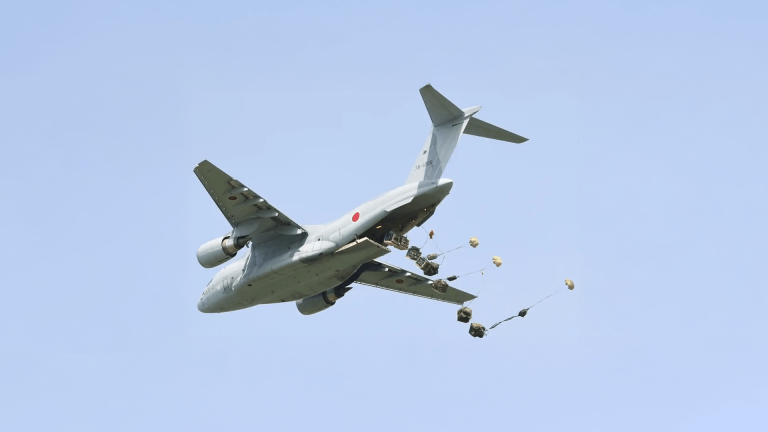
From Joint Precision Airdrop Systems (JPADS) to UAV recovery, an effective release mechanism:
* Prevents damage to sensitive payloads.
* Reduces the risk of canopy entanglement with vehicles, equipment, or personnel.
* Improves post-landing recovery efficiency.
The APCO project journey
From Requirement to Mission Readiness
We work with your team through every stage of the project to deliver reliable, mission-ready solutions.
Align on mission needs, operational constraints, and success criteria.
02
Design & Develop
Engineer lightweight, low-bulk solutions built around performance.
03
Test & Validate
Prototype and test to verify reliability and safety.
04
Produce & Deliver
Manufacture with quality control and timely delivery.
05
Support & Sustain
Provide documentation, training, and ongoing support.
Trust & Compliance
Trusted in Mission-Critical Environments
APCO Aviation Defense works within the standards, certifications, and regulatory frameworks that support defense and aerospace programs.
ISO & AS Certifications
ITAR
EAR
DFARS
NIST
Berry Amendment
Buy American Act
Wassenaar Arrangement
Supplier Partnerships
Offset Program Support
Why APCO Aviation Defense
Lightweight Release Mechanisms for Integrated Recovery Systems.
APCO Aviation Defense designs and manufactures lightweight, low-bulk, and high-strength release mechanisms using military-grade materials, ensuring compatibility with a wide range of parachutes, including cargo parachutes, steerable ram-air canopies, and custom textile solutions.
Mission-led definition
Solutions are shaped around what must be recovered, captured or protected.
Lightweight, low-bulk design
Compact textile solutions help reduce integration burden and support prototypes, small production runs and larger project needs without requiring large batches.
Textile engineering expertise
Net materials, deployment logic and structural behavior are evaluated for the application.
Validation mindset
Selection and development are guided by the operating conditions and the validation required.
Off-the-shelf products
Proven products for recovery, deceleration and delivery
Explore ready product options developed for lightweight recovery, precision airdrop and mission-ready integration.
Find quick answers about our release mechanism solutions, capabilities, and how we work.
What is a parachute release mechanism?
A release mechanism is used to separate the parachute or recovery component from the payload or platform when required as part of the recovery sequence. Automatic or manual models are available for different initiation triggers and scenarios.
What types of parachutes can APCO release mechanisms support?
APCO Aviation Defense release mechanisms can be developed for use with cargo and UAV parachutes, steerable RAM-Air canopies, and other custom recovery textile systems.
Can a release mechanism be customized for a specific platform?
Yes. The mechanism can be developed around the parachute system, platform interface, operating conditions, and mission requirements.
Why are weight and packed volume important for release mechanisms?
For UAV, aerospace and tactical platforms, every component affects system weight and integration space. Lightweight, low-bulk release mechanisms help reduce the integration and packing burden on the overall recovery system.
What materials are used in release mechanisms?
APCO Aviation Defense uses military-grade materials selected around the required strength, operating environment and integration requirements.
Can the release mechanism be developed as part of the complete recovery system?
Yes. APCO Aviation Defense can consider the release mechanism together with the parachute, inflatables, and other recovery components so the interfaces are developed as part of one integrated solution.