A high opening gives a cargo parafoil more altitude for guided flight. How much of that altitude is useful depends on how far the payload descends before the canopy is stable and steerable, what winds it encounters on the way down, and how much height it needs for the final approach.
For the systems engineer, the design question is whether the payload can reach the landing zone and arrive within its touchdown limits across the required release conditions. At APCO Aviation Defense, that question connects the design of the ram-air canopy and its textile deployment components to the requirements of the aircraft, payload, and landing zone.
What does a high opening give a precision airdrop system?
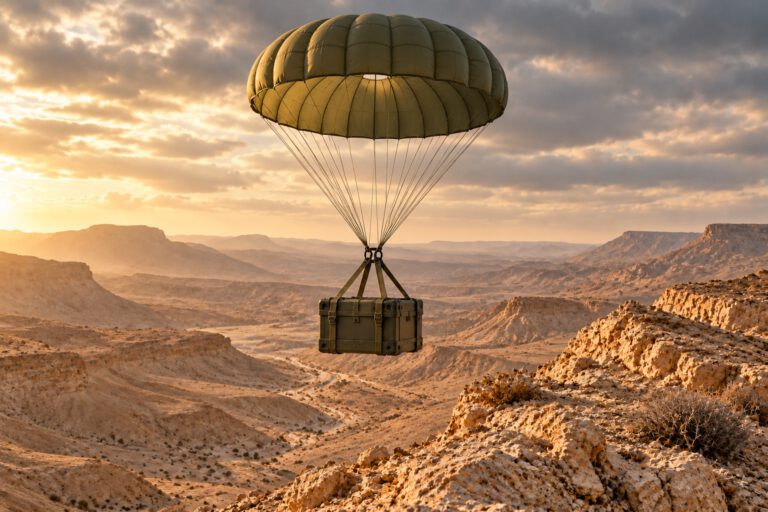
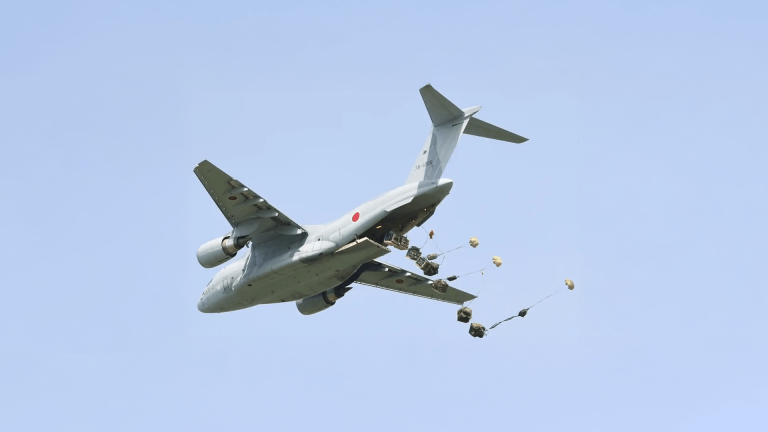
HAHO stands for High Altitude, High Opening. In cargo airdrop, the parachute deployment sequence starts early after release at altitude. When the system uses a guided ram-air canopy, the early opening can provide more height for the payload to glide toward a landing zone offset from the aircraft’s release point.
The release point, the start of deployment, and the start of controlled flight are separate events. Depending on the system, a static line can initiate deployment or a drogue can extract the main deployment bag. The main canopy then inflates and transitions to stable flight. The altitude used during that sequence comes out of the height available for guided descent.
How do opening loads affect the altitude available for glide?
At a given true airspeed, lower air density reduces dynamic pressure. A higher true airspeed can offset that effect. Peak opening load also depends on how the canopy inflates, so release altitude by itself tells an engineer little about the load the payload and its attachments will experience.
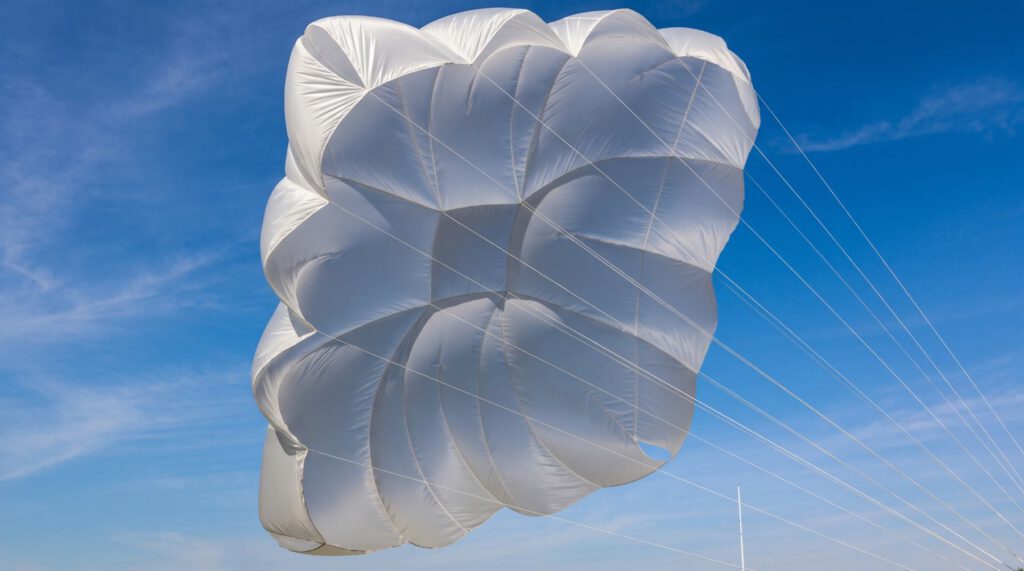
A slider illustrates the trade-off. On a ram-air parachute, it can slow canopy inflation at higher deployment speeds, helping limit opening loads. That longer inflation sequence can also use more altitude before the parafoil is ready to steer. A design review should therefore consider peak opening load and altitude loss to stable flight together. Both affect whether the same configuration can protect the payload and leave enough height for delivery.
Why does glide ratio tell only part of the story?
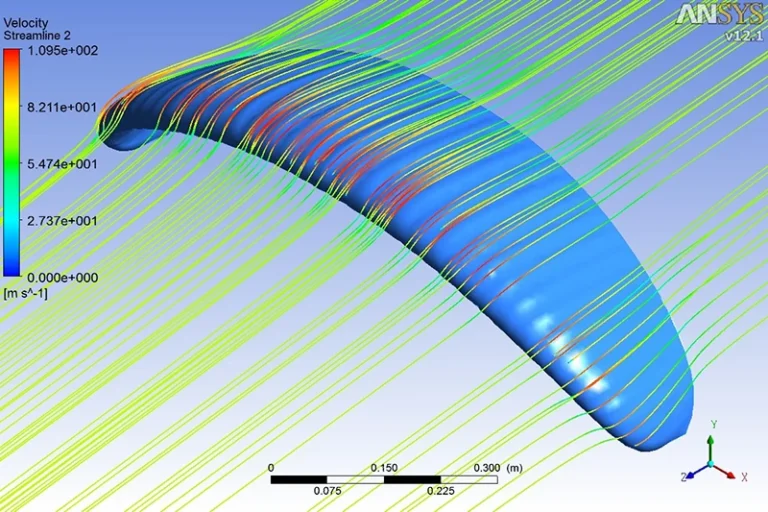
Glide ratio describes the horizontal distance a canopy can travel through the air for a given loss of height under specified conditions. Ground reach also depends on how the air itself is moving. A headwind reduces the distance covered over the ground toward the landing zone. A crosswind can require the guidance system to adjust the heading, and wind direction and speed can change through the descent.
The U.S. Army’s Joint Precision Airdrop System (JPADS) illustrates how these pieces fit together. It combines a steerable parafoil with autonomous guidance, and its mission-planning system uses weather data when computing release points. For an integrator, the question is whether the landing zone is reachable across the expected wind conditions with enough height left to set up the approach.
What does a successful touchdown require?
A payload can arrive inside the designated landing zone and still experience a damaging impact. Set separate acceptance criteria for where it lands and the condition in which it arrives. For sensitive equipment, that means specifying allowable vertical and horizontal touchdown speeds or impact loads, as appropriate, and evaluating them against the expected landing-zone elevation, air density, surface, and winds.
Those requirements help define how much altitude to reserve for the final approach. A configuration that can reach the edge of the landing zone may still need additional height to turn and line up for touchdown. If the landing concept relies on a flare, include that maneuver in the validation plan.
What should engineers bring to the design review?
| Design input | What to define |
|---|---|
| Release conditions | Payload mass and configuration, expected release speeds and altitudes, and available packing volume |
| Deployment | Acceptable opening loads and altitude loss from release to stable, steerable flight |
| Guided descent | Required horizontal offset, expected winds through the descent, and landing-zone dimensions |
| Touchdown | Approach constraints and acceptable touchdown speeds or impact loads |
Record opening load, altitude loss to stable flight, landing location, and touchdown conditions as separate outcomes in validation. If a test falls short, those measurements help isolate where the margin went.
How does APCO Aviation Defense support precision airdrop integration?
APCO Aviation Defense develops steerable ram-air parachutes and lightweight, low-bulk defense textile solutions. Its design and validation services support the evaluation of deployment, canopy performance, and integration around the payload and the space available on the platform.
Define your project with your payload configuration, release conditions, required offset, and touchdown limits.