Home → Products → Paramotors and Powered Parachutes
Paramotors and Powered Parachute WINGs
Lightweight Flight. Built Around Your Mission.
APCO Aviation Defense designs and builds the wing for foot-launched paramotors (PPG) and for powered parachutes (PPC), also called paratrikes – manned or unmanned.
Every wing is specified for the platform, payload and mission: from a slow, stable canopy that is easy to fly, to a fast, high-glide reflex wing for trained pilots. Backed by 50 years of APCO Aviation wing design.
Foot-launched powered paragliders (PPG) combine a flexible wing with a pilot-carried propulsion unit. Their compact format supports transport and deployment with a limited logistical footprint, while foot launching removes the need for a conventional runway where terrain and conditions permit.
APCO’s paramotor wing range includes single-seat and tandem options, selected around total flying weight, launch behavior, speed, stability, and pilot experience.
Operational Advantages for Defense Applications
Low-altitude flight: Supports operations where terrain and altitude influence visual and radar exposure.
Foot-launch mobility: Enables deployment from suitable unprepared locations.
Load capacity: Selected tandem and reinforced configurations support 300+ kg.
Flight performance: Selected reflex-profile wings offer speeds above 80 km/h and glide ratios up to 7:1.
Compact transport: Transportable by vehicle, boat, or helicopter for deployment in remote areas.
For specialized applications, APCO Aviation Defense works with your team to match the wing, attachment arrangement, and emergency parachute to your platform requirements.
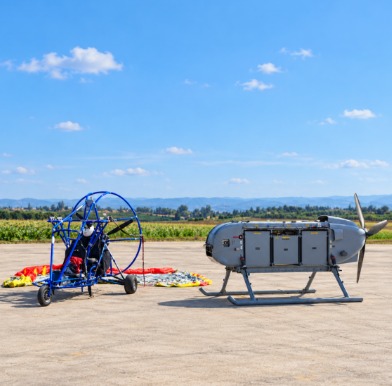
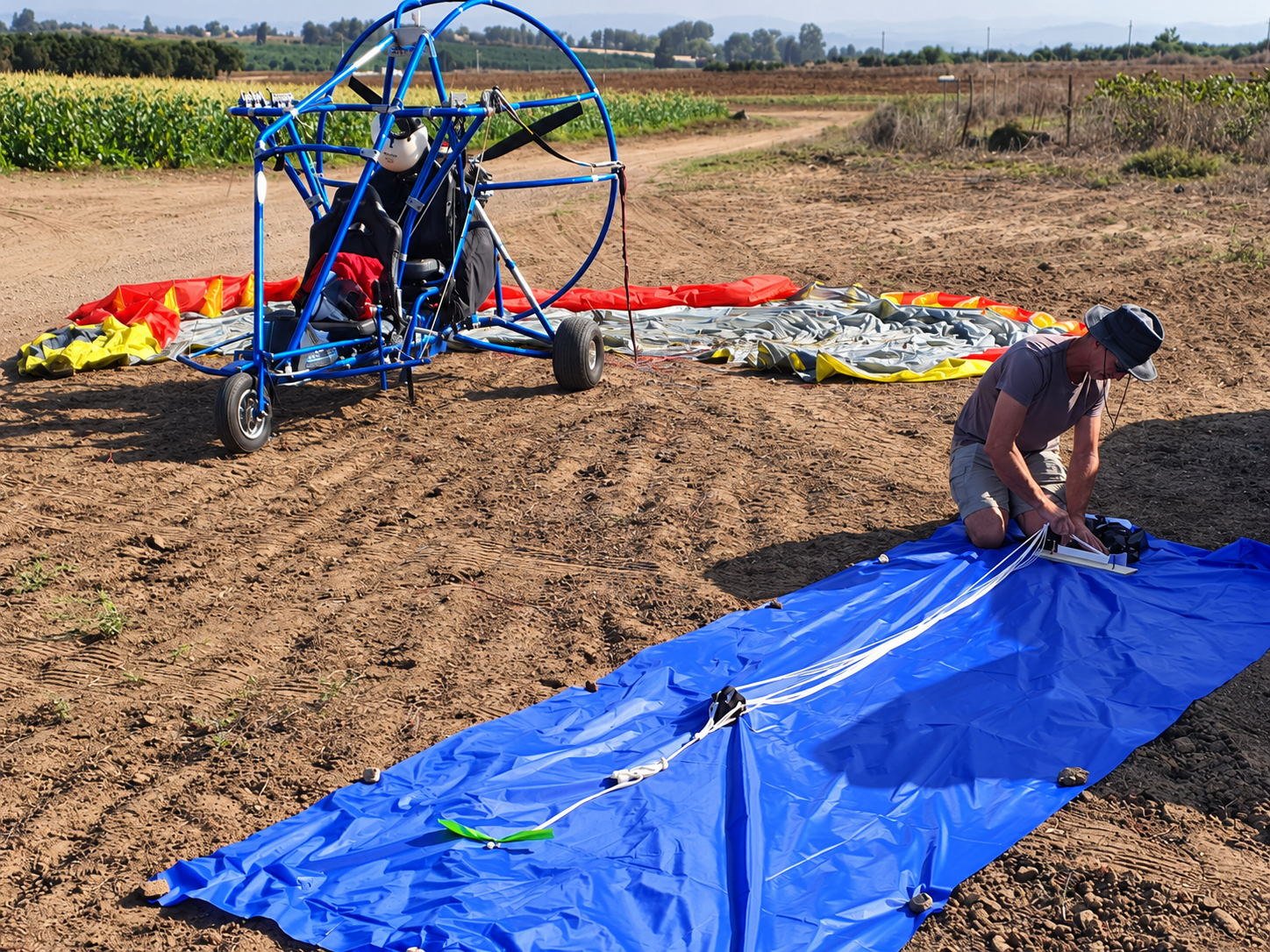
Powered parachutes and paratrikes combine a flexible canopy with a wheeled, powered platform. These configurations support manned flight and unmanned applications where payload capacity, platform geometry, and takeoff requirements guide the design.
APCO Aviation Defense develops canopy solutions for different platform arrangements, including wide and narrow attachment-point configurations. Wing selection considers the complete aircraft: its total flying weight, propulsion, control system, attachment geometry, and required flight behavior.
Two common configurations influence the choice:
American-style powered parachutes: Typically use foot-operated steering, wider canopy attachment geometry, and larger engines (commonly ROTAX 912 and above).
European-style paratrikes: Typically use hand-operated controls and higher-performance wings paired with lighter propulsion arrangements.
For unmanned platforms, the focus shifts to how the canopy works with the aircraft’s control architecture, payload, and performance requirements.
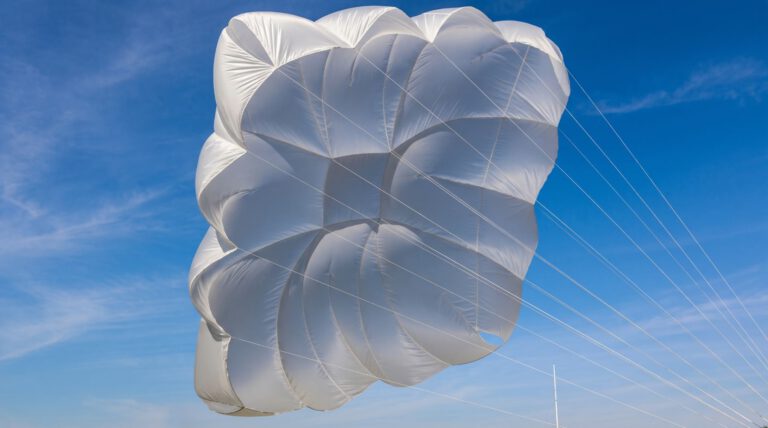
APCO Aviation Defense uses Reflex Profile technology, which delivers a much higher level of stability and safety in the air, along with an increased speed range that cannot be achieved with a conventional parafoil or powered parachute.
A suitable wing must balance performance with practical operation. APCO Aviation Defense evaluates the requirements that determine how the canopy should launch, fly, and integrate with the platform:
Flying weight: The combined weight of the platform, occupants, fuel, and equipment.
Flight performance: Required speed range, glide characteristics, and stability.
Launch and landing: Available space, surface conditions, and intended operating environment.
Platform integration: Attachment-point spacing, structural interfaces, and control arrangement.
Operational demands: Pilot experience or unmanned control requirements, transport, and deployment needs.
Where appropriate, reflex-profile wings can support an increased speed range and flight stability. The choice of profile remains application-specific, with launch behavior, handling, and control requirements assessed alongside performance.
Find the Right Wing for Your Platform
Whether you are evaluating a foot-launched paramotor or developing a manned or unmanned powered parachute platform, APCO Aviation Defense can help define the wing and recovery solution around your requirements.
Find quick answers about paramotors and powered parachutes, our capabilities, and how we work.
Can APCO adapt a wing to our existing platform?
Yes. APCO Aviation Defense can assess an existing wing or develop a custom canopy around your platform’s flying weight, attachment geometry, control arrangement, and performance requirements.
What information do you need to recommend a suitable wing?
Share your platform configuration, total flying weight, payload, required speed range, and launch and landing conditions. For unmanned platforms, include the control architecture and integration constraints.
Can you support both manned and unmanned powered parachute platforms?
Yes. APCO Aviation Defense develops canopy solutions for both, including wide and narrow attachment-point configurations. The design is matched to the platform’s geometry, control requirements, and intended operating conditions.
Can an emergency parachute be included in our project?
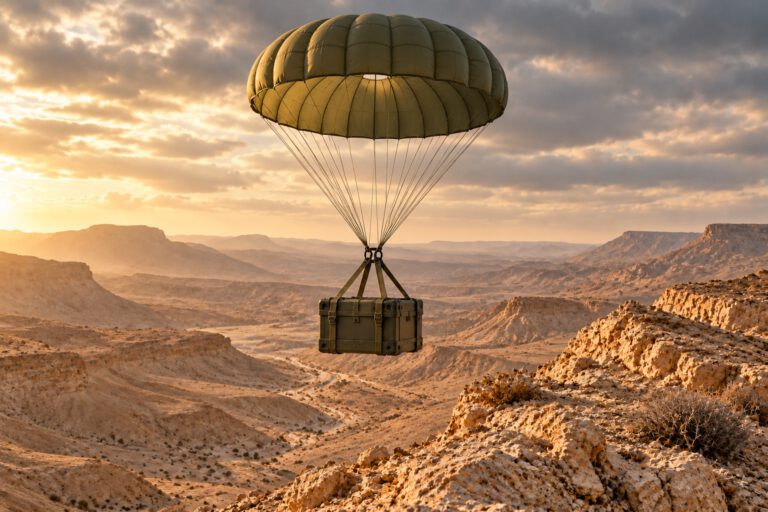
Yes. APCO can assess emergency parachute integration alongside the main wing. Selection considers flying weight, deployment conditions, attachment loads, and available installation space.
Can we start with an existing product instead of developing a custom wing?
Yes. APCO can review its existing wing range against your requirements before defining whether modifications or custom development are needed. This helps establish a practical starting point for the project.
Engineered for mission success. Trusted worldwide.
From concept to fielding, APCO Aviation Defense delivers proven parachute systems that perform when it matters most.