DEFENSE TEXTILE SOLUTIONS FOR CAPTURE & CONTAINMENT
Ballistic Net Solutions
Passive Protection. Simple Deployment
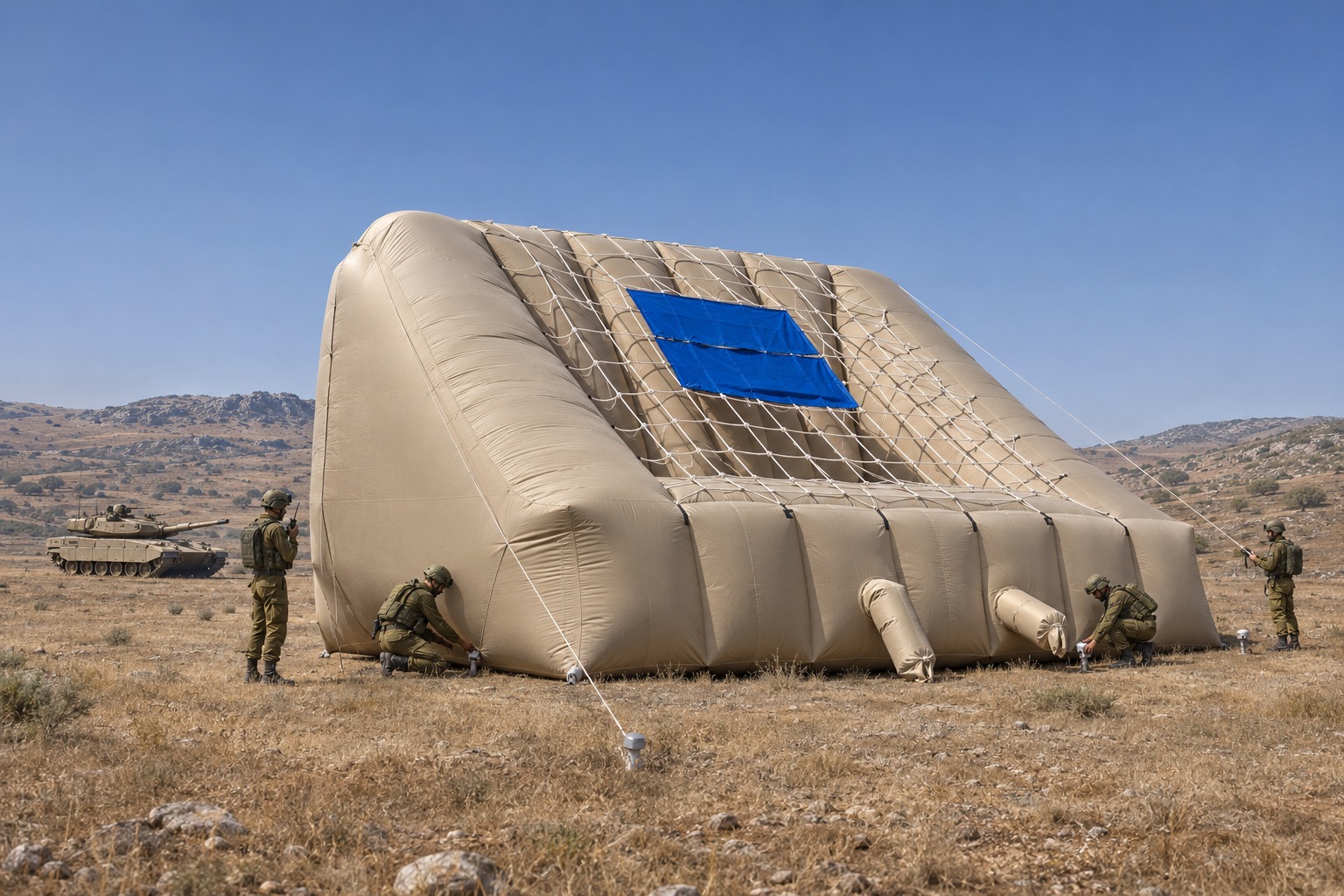
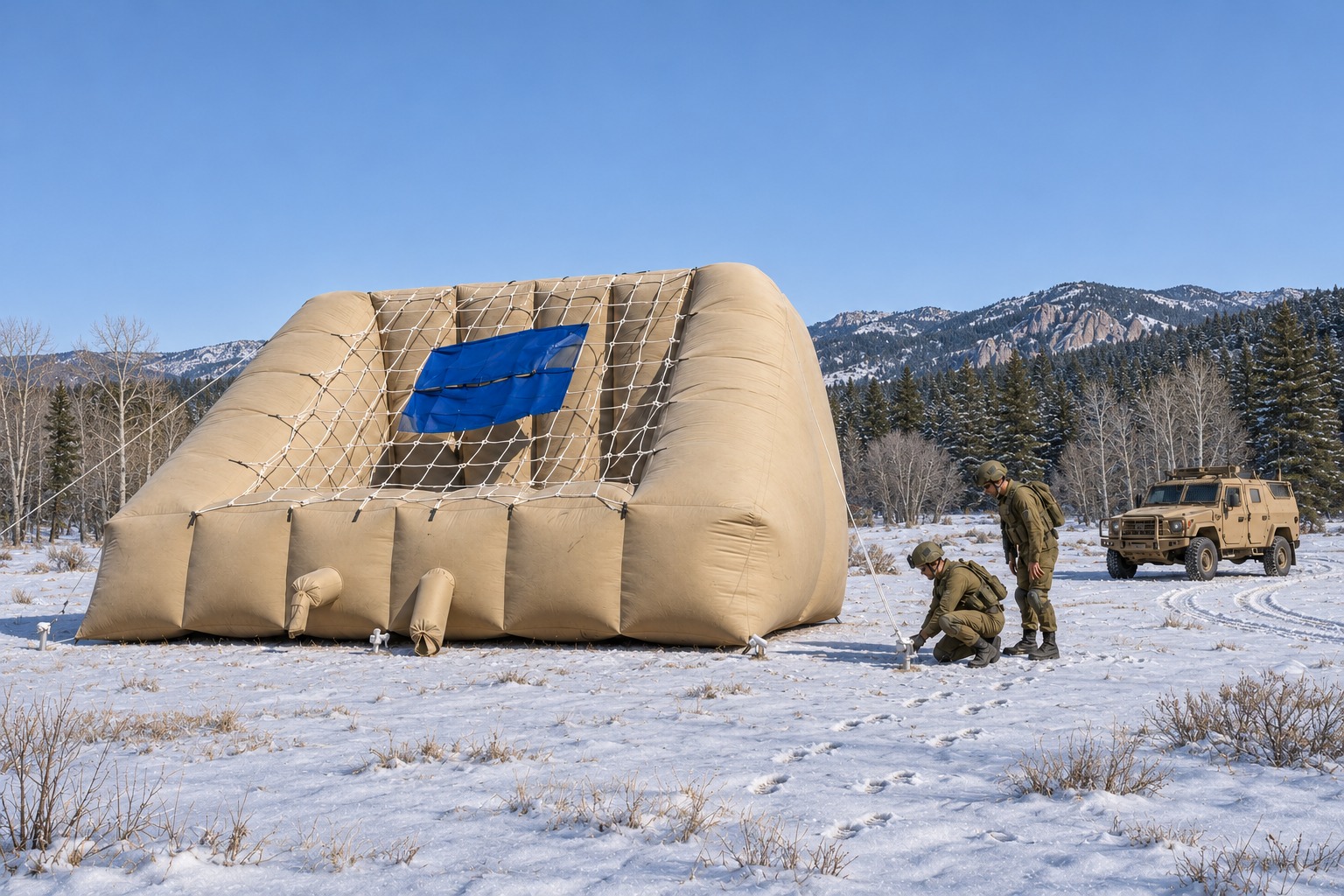
Protect your assets with a passive ballistic net solution from APCO Aviation Defense. Easy to deploy and cost-effective, our nets provide protection without complex interception mechanisms.
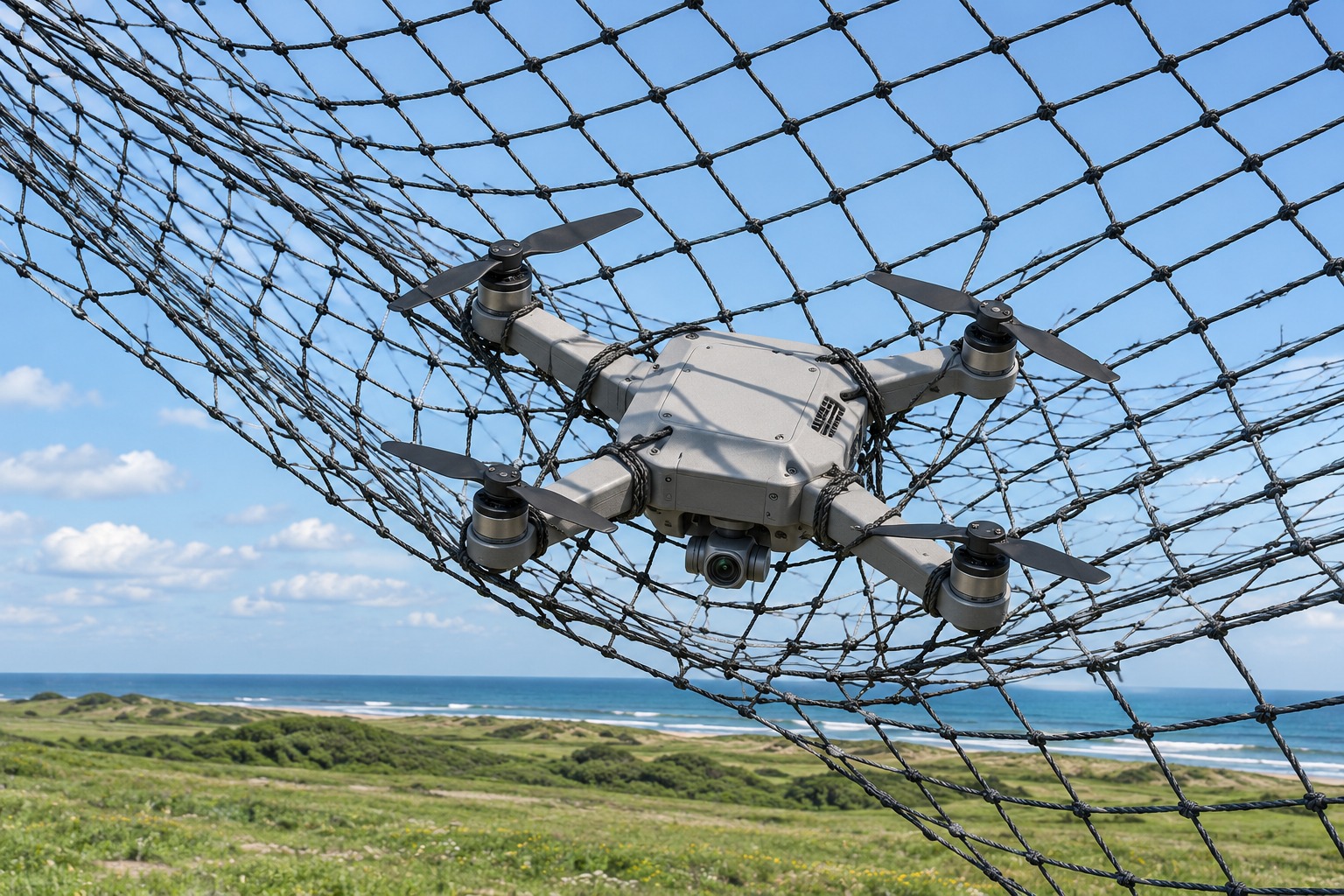
When a UAV or other flying asset must be recovered or captured, the recovery net forms part of a wider system designed to preserve the platform and payload for further use. The solution is defined around your mission requirements, including:
The type of UAV or flying asset
The platform or payload that must be preserved
The required recovery or capture outcome
The available recovery area and operating conditions
The technical constraints that affect system design
The goal is to reduce the risk of platform or payload loss and support recovery within a defined area.
Protect an Asset from an Incoming Threat
When the risk comes from an incoming ballistic or kinetic object, the requirement shifts from recovery to protection.
Reduce exposure to a defined impact risk
Protect critical equipment or infrastructure
Support protection of personnel or operational areas
Preserve assets whose damage or loss could affect mission capability
Ballistic Protection Nets for Incoming Impact Risks
Ballistic protection nets are designed around the threat and the asset or area behind the protection system.
The asset or area that needs protection
The defined impact risk that must be addressed
The required outcome: stopping, capture, containment, or interception
The best net materials and deployment strategy
The required testing and validation
The APCO project journey
From Requirement to Mission Readiness
We work with your team through every stage of the project to deliver reliable, mission-ready solutions.
APCO Aviation Defense works within the standards, certifications, and regulatory frameworks that support defense and aerospace programs.
ISO & AS Certifications
ITAR
EAR
DFARS
NIST
Berry Amendment
Buy American Act
Wassenaar Arrangement
Supplier Partnerships
Offset Program Support
Why APCO Aviation Defense
Expertise in recovery, capture and protection solutions
Ballistic net textile solutions must be defined around the mission, the asset, the risk and the required outcome. APCO Aviation Defense brings practical development and engineering experience to this work.
Mission-led definition
Solutions are shaped around what must be recovered, captured or protected.
Lightweight, low-bulk design
Compact textile solutions help reduce integration burden and support prototypes, small production runs and larger project needs without requiring large batches.
Textile engineering expertise
Net materials, deployment logic and structural behavior are evaluated for the application.
Validation mindset
Selection and development are guided by the operating conditions and the validation required.
Off-the-shelf products
Proven products for recovery, deceleration and delivery
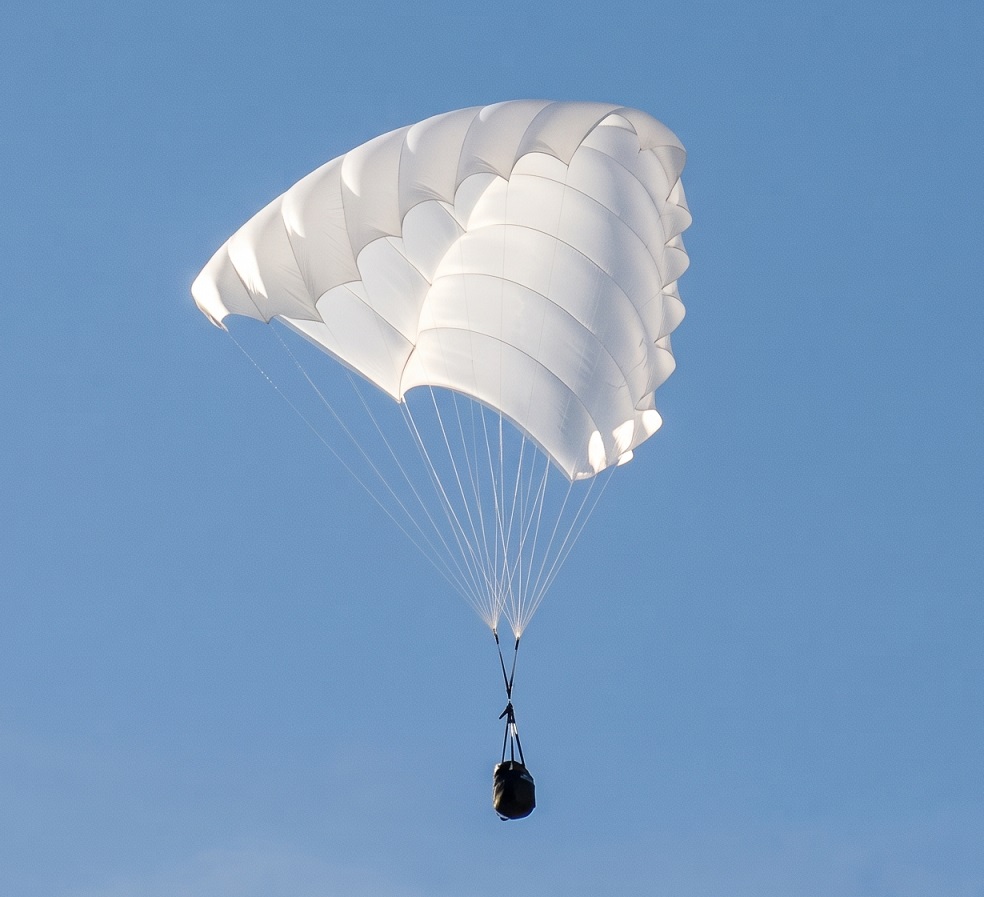
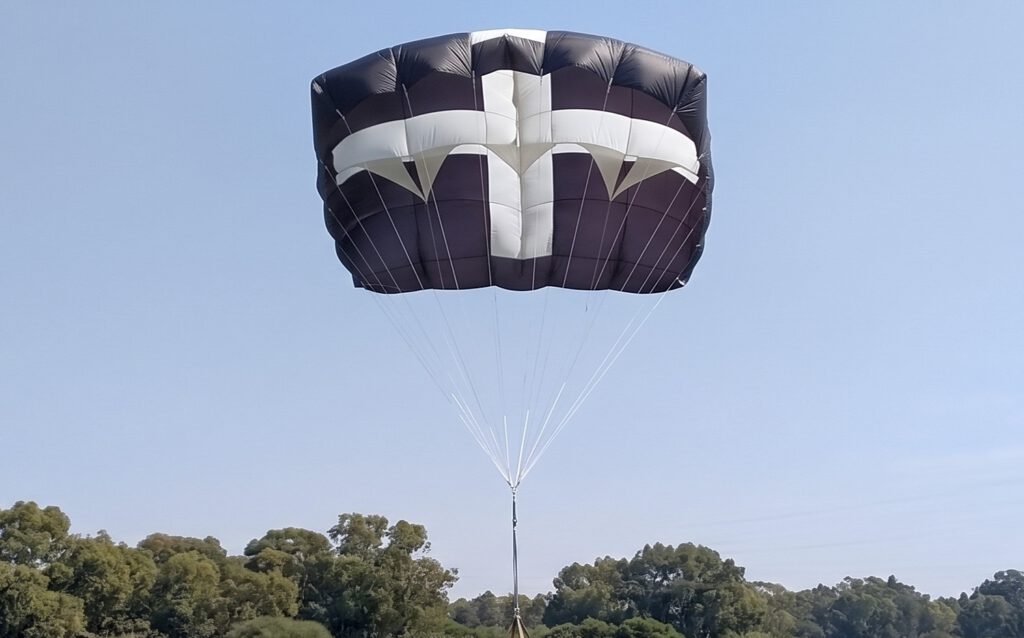
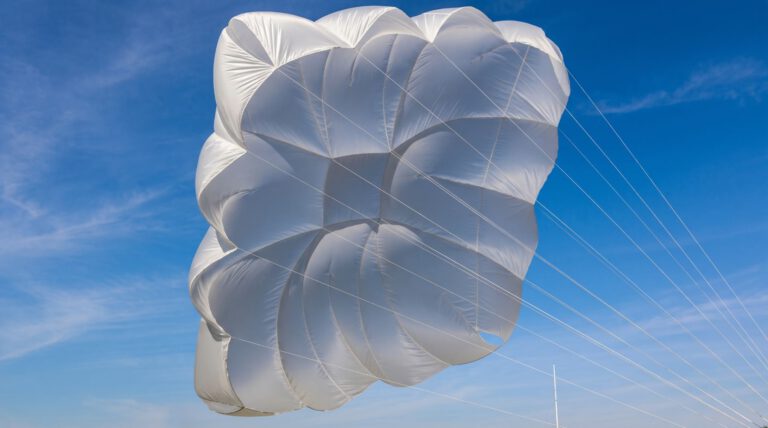
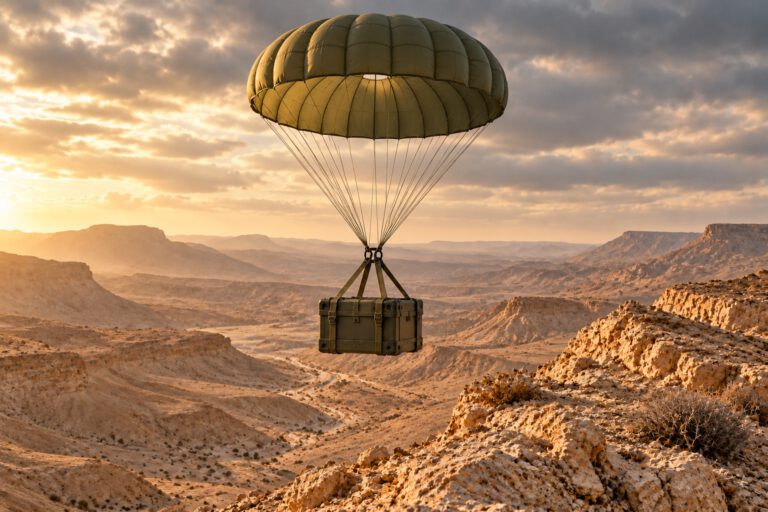
Explore ready product options developed for lightweight recovery, precision airdrop and mission-ready integration.
Find quick answers about our solutions, capabilities, and how we work.
What are ballistic net solutions used for?
Ballistic net solutions are designed for two main applications: recovering or capturing flying assets and protecting critical assets from incoming impact risks. Depending on the requirement, the net system may support UAV recovery, object capture, impact containment, or protection of equipment and operational areas.
What is the difference between a UAV recovery net and a ballistic protection net?
A UAV recovery net is designed to capture a flying platform while reducing the risk of damage to the asset or its payload. A ballistic protection net is designed to address an incoming kinetic or ballistic threat, with the objective of stopping, capturing, containing, or intercepting the object. Each requires a different approach to materials, system design, and impact management.
Can ballistic net solutions be customised for different threats and applications?
Yes. APCO Aviation Defense develops custom defense textile net solutions around the specific application, object trajectory, impact conditions, and required outcome. Material selection, net construction, and deployment strategy are defined according to the recovery or protection requirements.
What factors determine the design of a ballistic net system?
Ballistic net design depends on the object being captured or intercepted, its expected trajectory, impact conditions, available installation or recovery area, and the required outcome.
Can ballistic nets be used to recover UAVs without damaging them?
UAV recovery nets can be designed to reduce the risk of damage during capture. The recovery outcome depends on factors such as the UAV's mass, speed, geometry, impact conditions, and the net system's ability to manage capture forces. Preserving the platform and payload must be considered when defining the recovery requirements.
How are ballistic net solutions tested and validated?
Testing and validation should reflect the intended recovery or protection application. Relevant considerations include the expected impact conditions, net materials, structural response, attachment points, and required capture or containment outcome. The validation approach is defined around the specific project requirements rather than assuming one net configuration will suit every application.