HELICOPTERS

UAV PARACHUTE SYSTEM ENGINEERING GUIDE

Helicopters uav parachute system engineering
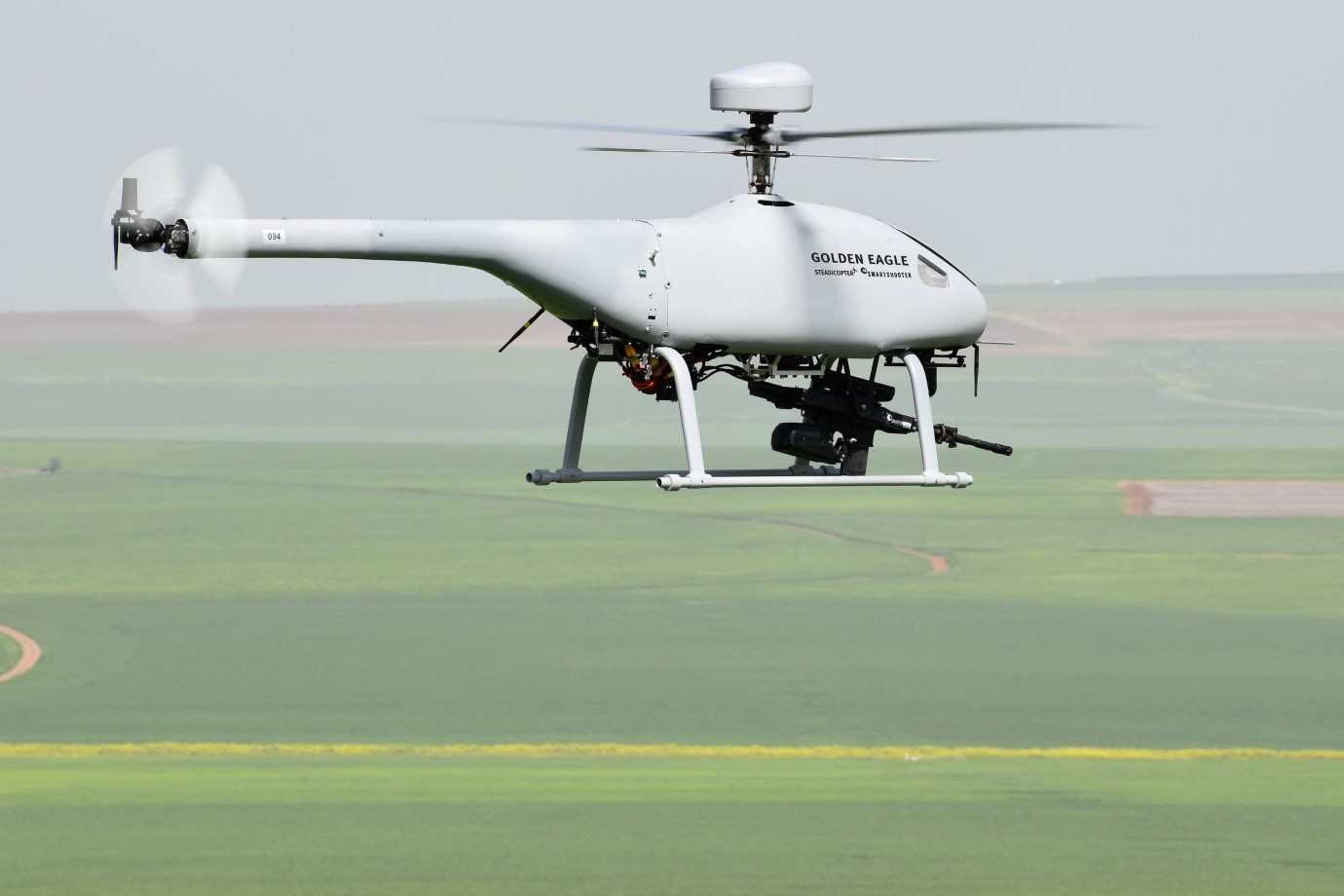
Helicopters uav parachute system engineering

1. How Helicopters Differ from Other VTOL Platforms

Helicopter UAVs are a sub-category of VTOL aircraft but have unique aerodynamic and mechanical characteristics that directly affect parachute system design:

  • Large Rotating Disc – The main rotor acts as a significant obstacle during deployment. Parachute placement, firing trajectory, and rotor strike prevention are critical.
  • Autorotation Capability – Unlike multi-rotor UAVs, helicopters can descend safely without power using autorotation, but this is not always possible for unmanned platforms (limited control authority, failure modes).
  • Single or Dual Rotor Configurations – Tail rotor or coaxial systems affect airflow, possible parachute locations, and recovery dynamics.
  • Higher Kinetic Energy per Mass – Helicopters generally carry heavier payloads and operate at higher cruise speeds than multi-rotors, requiring more robust parachutes and deceleration strategies.
  • Narrow Fuselage – Typically less available internal space for parachute storage compared to multi-rotors or tilt-rotors.

2. Unique Challenges in Parachute Integration for Helicopters

  • Rotor Strike Risk – Parachute must deploy clear of rotor arc; pyrotechnic or spring-deployed canisters often fire sideways or upward, not directly into rotor path.
  • Rotor Downwash – Extremely strong at hover; deployment sequencing must ensure canopy clears turbulent air before inflation.
  • Deployment in Forward Flight – Different airflow patterns than tilt-rotors; canopy must be stabilized during initial extraction to prevent entanglement.
  • Autorotation Decision Point – Engineers must define the altitude envelope where autorotation is viable versus where parachute deployment is faster and safer.
  • Tail Boom Clearance – Common on helicopter UAVs; deployment path must avoid snagging on boom, tail rotor, or vertical stabilizers.

3.Best Practices for Helicopter UAV Parachute System Development

System Design

  • Parachute Placement – Favor top-aft or side-mounted launch tubes angled to avoid rotors and tail.
  • Rapid Ejection – Use pyrotechnic or gas-powered systems to ensure canopy clears rotor downwash.
  • Canopy Type – Consider round, cruciform, or small ram-air designs based on sink rate requirements; round is most common for pure vertical arrest.
  • Reefing / Deployment Control – Reefing lines or deployment sleeves to manage inflation shock and prevent canopy damage.

Triggering & Decision Logic

  • Automated Triggering – Integrate with flight controller to detect loss of lift, excessive roll/pitch, or unrecoverable control loss.
  • Manual Override – Always include remote manual deployment command.
  • Envelope Protection – Different trigger parameters for hover vs forward flight to avoid deploying too early in recoverable conditions.

Testing Protocol

  • Ground Ejection Tests – Verify parachute clears rotor arc in multiple yaw orientations.
  • Hover Deployment Tests – Assess canopy inflation in worst-case downwash.
  • Forward Flight Tests – Validate stability in translational airflow.
  • Autorotation Transition Scenarios – Compare parachute effectiveness to autorotation performance.

Safety & Compliance

  • Rotor Blade Clearance Margin – Minimum safe separation distance for canopy trajectory established via high-speed video and CFD simulation.
  • Regulatory Compliance – Align with ASTM F3322 (for UAV parachutes) and any local CAA requirements.
  • Fail-Safe Mechanisms – Include self-cutting riser release if canopy drags UAV after touchdown.

Helicopters uav parachute system engineering

4. Engineering Tips for Success

    • Use streamers or pilot chutes for canopy stabilization before full inflation in forward flight.
    • For coaxial helicopters, downwash is more concentrated but symmetrical — parachute may be mounted above center for easier clearance.
    • Design canopy deployment speed to overcome both downwash and forward flight slipstream simultaneously.
    • Include post-deployment load dissipation features like riser elastic inserts or load spreaders to prevent fuselage damage.